
Last updated November 18, 2026
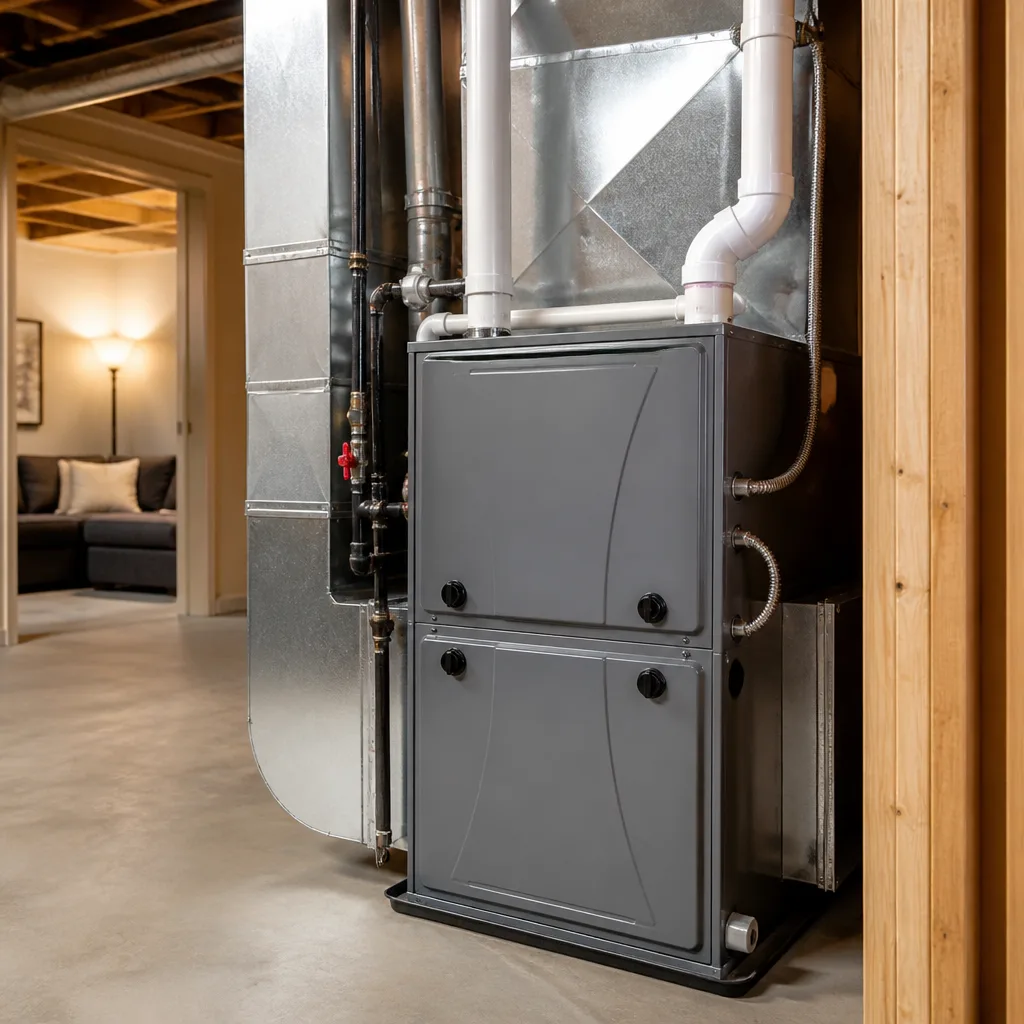 Furnace & heating
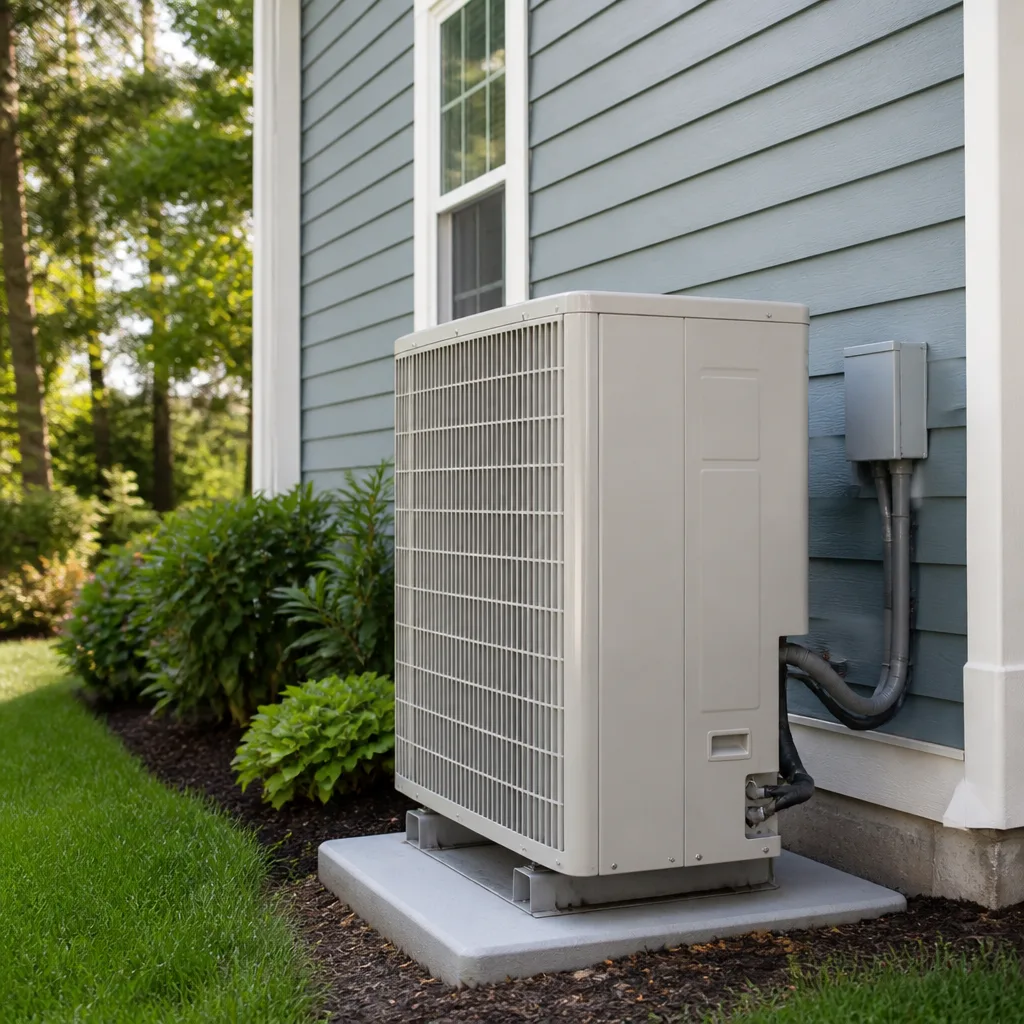 Heat pumps
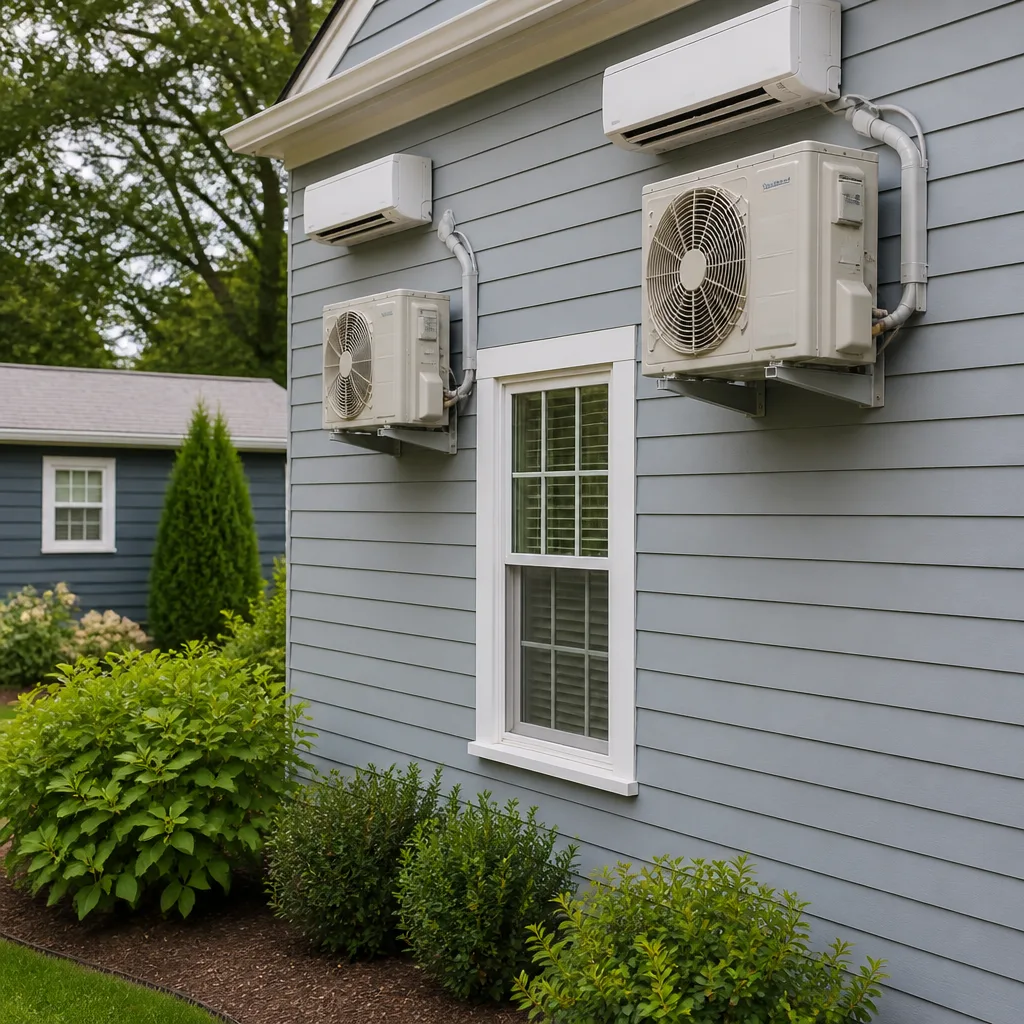 Ductless mini splits
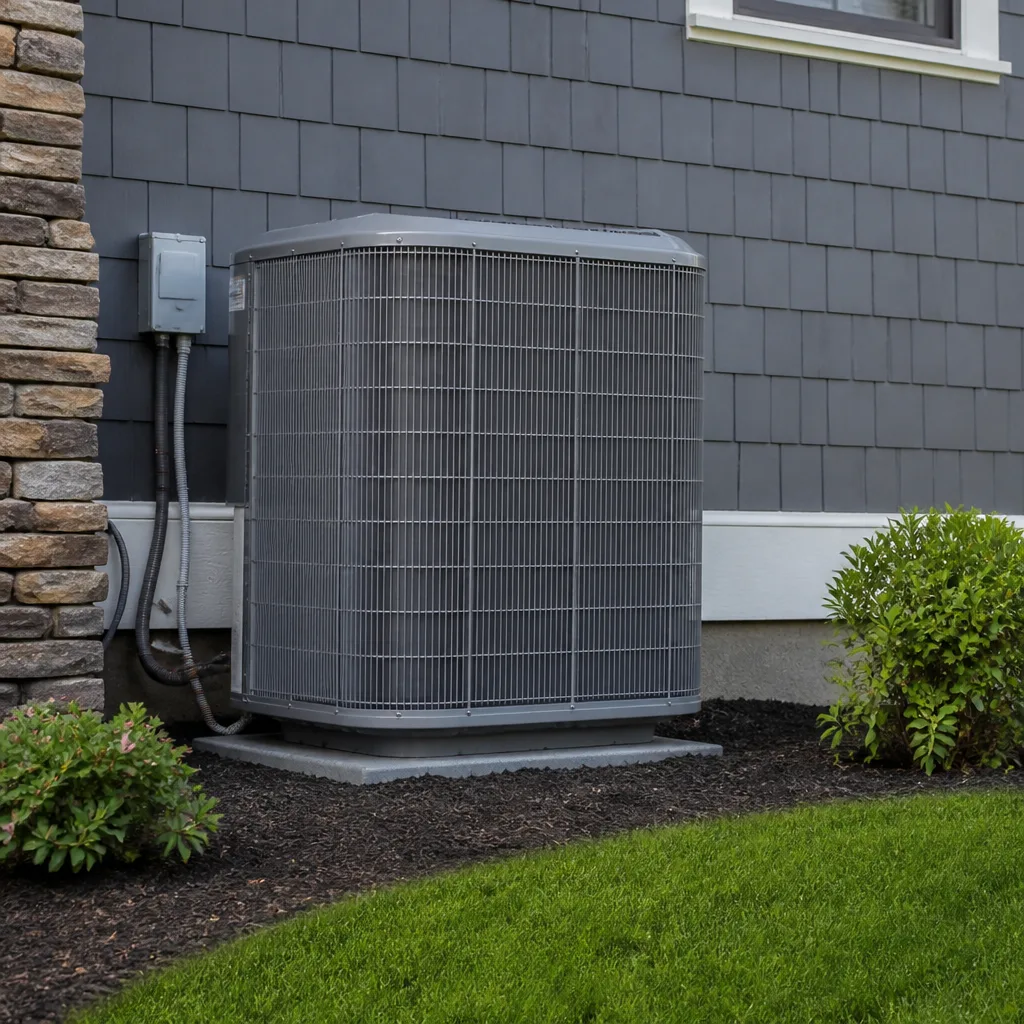 Carrier
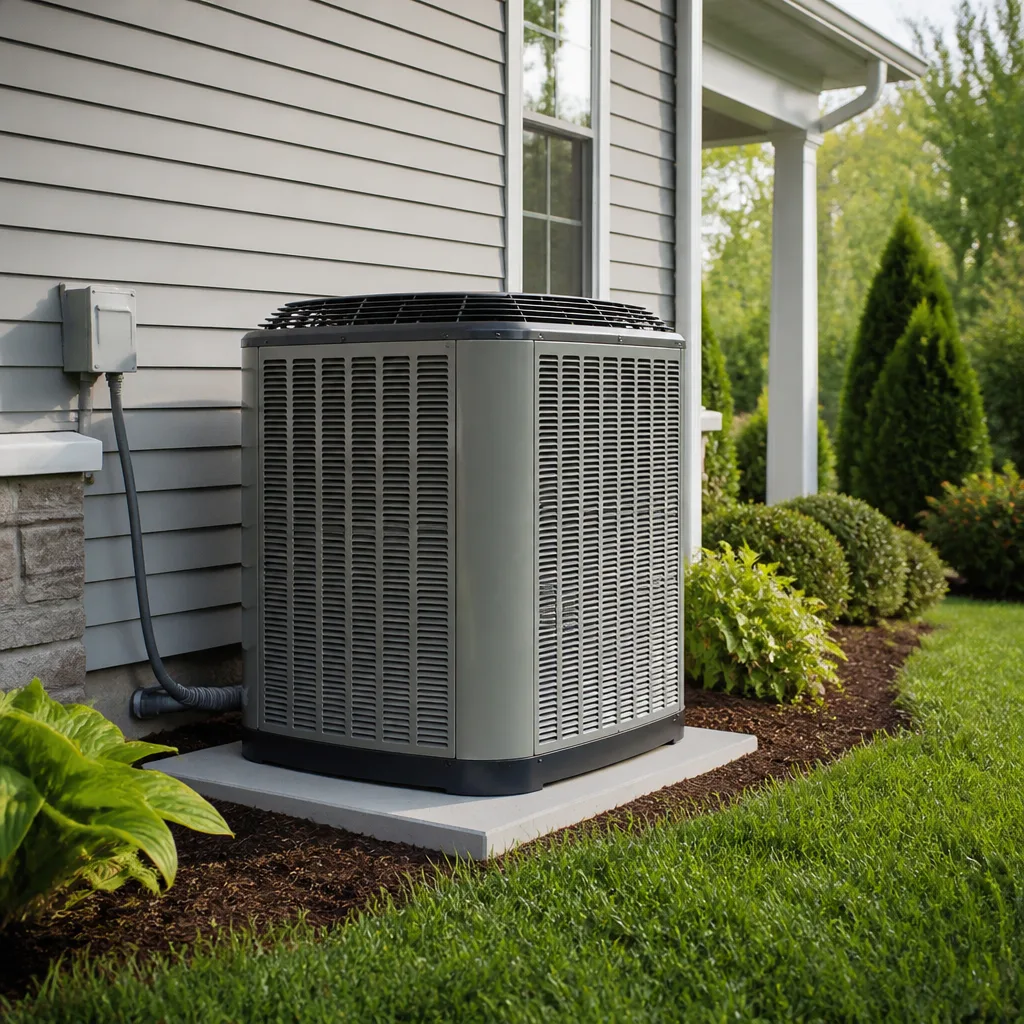 Trane
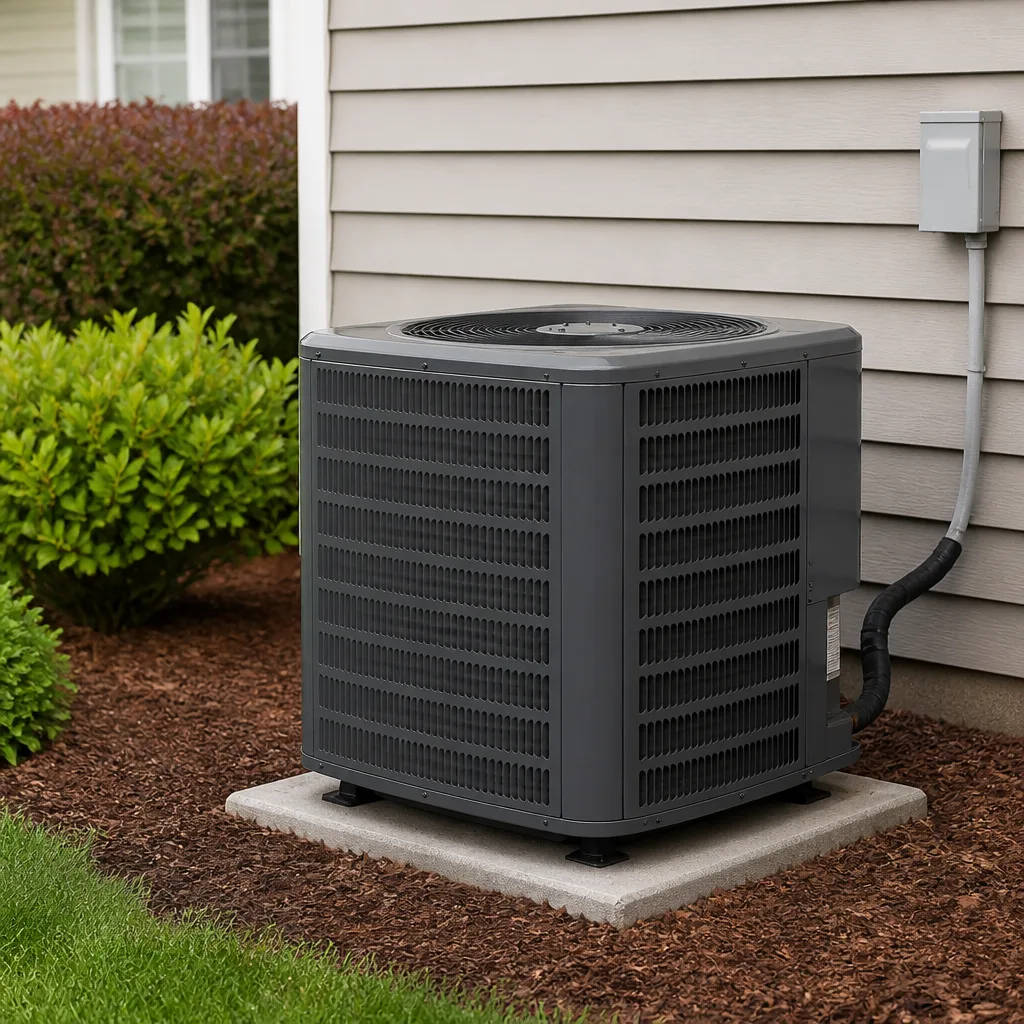 Goodman
Seasonal tune-up and full diagnostic on your Carrier, Trane, or Goodman system - readings shown to you before any repair is proposed
Diagnosis first, numbers second - you approve the repair price before a single part goes in.
Get your free estimateHVAC Warning Signs: A Summerlin Homeowner’s Reference Guide
Most AC warning-sign guides are written for a mild climate, which is why they get Summerlin homeowners into trouble. A reading or behavior that’s merely “worth watching” at 70°F becomes a genuine failure indicator at 110°F. Short-cycling is the clearest example: on a mild spring day it’s an efficiency annoyance, but in peak Summerlin heat it often means the system is finishing. This guide recalibrates the warning signs to desert operating conditions, ranks them by urgency above 105°F, and shows you how to read your system and your utility bill before a breakdown.
Quick Answer
In Summerlin, the warning signs that matter most in peak heat are short-cycling, warm air from the vents, a system that runs nonstop without cooling, and rising refrigerant-related symptoms like ice on the line set or a hissing sound at the outdoor unit. Above 105°F, several of these point to a system on the edge of complete failure rather than a minor fault, and they deserve a call the same day. Reading the signs early, and using your utility bill as an early-warning signal, is what separates a repair from a replacement.
Styles & brands we work with
- AC installation
- Furnace & heating
- Heat pumps
- Ductless mini splits
- Carrier
- Trane
- Goodman
Table of Contents
- Warning Signs Ranked by Urgency in Peak Heat
- Short-Cycling Above 105°F
- Warm Air From the Vents: July vs. February
- Telling a Refrigerant Leak From Low Charge and Compressor Failure
- Sounds That Signal Imminent Failure vs. Harmless Noises
- Your Utility Bill as an Early-Warning System
- Why Summerlin Heat Stress Hits Equipment Differently
- Common Mistakes to Avoid
- When to Call a Professional
Warning Signs Ranked by Urgency in Peak Heat
The single biggest mistake homeowners make is treating all symptoms as equally urgent. In Summerlin, where summer ambient temperatures routinely push past 105°F, the same symptom that’s mildly concerning in April is a red flag in July. The ranking below is calibrated to peak-heat conditions, not a generic priority list.
Tier 1: Call the same day. These symptoms, at high ambient temperature, often precede a full failure:
- Warm or room-temperature air from the supply vents while the system runs.
- Short-cycling: repeated on-off cycles with only brief run times.
- Ice forming on the indoor coil or the refrigerant line set.
- A burning or hot-wire smell near the indoor air handler.
- A total stop with the outdoor unit’s fan not turning at all.
Tier 2: Call within a few days. These usually mean degraded performance rather than imminent failure:
- Weak airflow from some or all vents.
- A system that runs nonstop but only barely keeps up.
- Water pooling near the indoor unit (often a clogged condensate drain).
- Unusual but non-electrical noises, such as rattling or a light hum.
Tier 3: Note and schedule. These are maintenance-worthy, not emergency-worthy:
- Uneven cooling between upstairs and downstairs rooms.
- Dust blowing from the vents.
- A mildly higher electric bill with no other symptoms.
When in doubt above 105°F, treat the symptom as Tier 1. Heat is unforgiving, and a system that’s straining at 108°F is not the same system you’d have at 85°F. Call AC repair and describe exactly what you’re seeing; we can often tell from the description whether the symptom is urgent. Our technicians have up to 12 years of experience calibrating these readings to desert conditions.
Short-Cycling Above 105°F
Short-cycling means the compressor turns on, runs for a short time, and shuts off, then repeats. In a mild climate it’s usually a thermostat, airflow, or a sizing issue. Above 105°F in Summerlin, it’s often a sign of a system on the edge of failure. The compressor runs hot, hits its internal protection limit or a high-pressure cutoff, and shuts down. Left running, that pattern typically ends in a full failure.
Here’s how short-cycling usually shows up:
- Frequent on-off cycles. The compressor cycles every few minutes instead of running long, steady cycles.
- Outdoor fan stops but indoor fan keeps running. A common short-cycling pattern in high heat.
- A brief cooling period at the start of each cycle, followed by rising temperature. That’s the compressor dropping out early.
- High-pitched cycling noise from the outdoor unit. Often a pressure cutout resetting itself.
- Rising indoor temperature even while the system is “running.” The cycles are too short to cool the room.
At 110°F ambient, short-cycling is not the system working hard; it’s the system giving up repeatedly. If you see this pattern, don’t run it through another heat cycle hoping it settles. Turn the thermostat up a few degrees to reduce load and call. Whether your unit is a Rheem or a York, the diagnostic path is the same: pressures, superheat, and amp draw first, then the fix. We work on both and on seven other brands, so there’s no brand dead end when you call.
Warm Air From the Vents: July vs. February
Warm air from the vents means something fundamentally different depending on the season and outdoor temperature. In February, a heat pump running in “heat” mode is supposed to deliver warm air, and a room-temperature vent reading is normal. In July, in Summerlin, when the outdoor ambient is 110°F and the thermostat is set to 76°F, warm air from a vent while the compressor is running is a serious symptom.
The reason is the mismatch between what the system is supposed to deliver and what it’s delivering. In cooling mode, the air leaving the vent should feel noticeably colder than room temperature, typically on the order of 15 to 20 degrees cooler if the system is operating correctly. Warm air means one of a few things is happening:
- Low refrigerant charge. The system can’t absorb heat from the indoor air fast enough to cool it.
- Compressor not running. The indoor fan moves air but the outdoor unit isn’t doing its job.
- Reversing valve stuck in heat mode. More common on heat pumps; the system is literally heating when you want cooling.
- Ductwork issues. Return or supply duct leaks pulling hot attic or garage air into the system.
Warm air in July is a Tier 1 symptom. It’s the difference between a cooling system that’s underperforming and one that isn’t cooling at all. Don’t wait for the indoor temperature to climb before calling. Describe the vent temperature and the outdoor unit’s behavior (fan yes or no, sound yes or no) so we can tell you what to expect.
Telling a Refrigerant Leak From Low Charge and Compressor Failure
These three problems can look alike from the outside, because all three reduce cooling. But the observable in-home indicators differ, and knowing which set you’re seeing helps you ask the right questions when you call.
Signs of a refrigerant leak specifically:
- Ice on the indoor coil or the refrigerant line set.
- A hissing or bubbling sound near the indoor or outdoor unit.
- Cooling that was fine last week and has dropped noticeably this week.
- A refrigerant line that’s wet or oily to the touch, often a sign of a slow leak.
Signs of low charge without an obvious leak:
- Gradual loss of cooling over a long period.
- Long run times and a warmer-than-expected vent temperature.
- No ice, no sound, just a system that isn’t cooling as well as it used to.
Signs of compressor failure:
- Outdoor unit fan runs but the compressor doesn’t.
- Loud clunk or hum from the compressor area.
- The breaker for the outdoor unit trips repeatedly.
- Warm air from all vents, not just some.
Refrigerant handling is not a homeowner task; the system is under pressure and refrigerant handling requires training and equipment. If you see ice on the line set or hear hissing, turn the system off, and call for a diagnostic. The same diagnosis should be applied to any major brand, whether that’s a Daikin, a Bryant, or a Goodman; a brand-agnostic diagnostic is what tells you whether you’re facing a leak, a low charge, or a failing compressor.
Sounds That Signal Imminent Failure vs. Harmless Noises
Not every noise is an emergency, but in Summerlin heat, some sounds really do precede failure. Here’s how to sort them.
Sounds that signal imminent failure (call the same day):
- Clicking that repeats. Often a hard-starting compressor; the system is trying repeatedly to start and failing.
- Loud clanking from the outdoor unit. Loose internal components or a fan blade obstruction; can damage the compressor if run.
- Screeching or grinding. Usually an outdoor fan motor bearing failing; continued running can burn out the motor.
- A hum that’s followed by silence. The compressor is stalling; continued attempts can trip the breaker or damage the compressor.
- Buzzing from the indoor unit combined with rising heat. Often an electrical component issue that should not be ignored.
Noises that are annoying but not emergencies:
- Rattling from a loose panel. Usually resolved by tightening.
- Light hum. Normal from most systems.
- A brief click at cycle start. Normal.
Electrical components are not a homeowner repair. If you hear a buzzing near the indoor unit or see any sparking, turn the system off at the thermostat and at the breaker, and call. Above 105°F, a system that’s making the sounds in the first list is likely to fail completely if run through another cycle. Turn it up, or off, and call.
Your Utility Bill as an Early-Warning System
The most ignored early-warning signal is the one that arrives before the system behavior shows anything obvious. It’s the utility bill. In Summerlin, where cooling season runs long and hard, a system that’s losing efficiency will often show up as a rising bill weeks before a homeowner notices a temperature problem.
Here’s how to read it:
- Compare the same month year-over-year. A bill that’s 10% or more higher than the same month last year, with no change in setpoint or occupancy, is a data point.
- Compare bills within the same season. If June is normal and July is markedly higher with similar weather, the system may be running longer to do the same job.
- Look at run times, not just cost. A system running twice as long to hit the same setpoint is doing less cooling per unit of electricity.
- Note any jump that coincides with a new symptom. A bill spike plus a lighter cool-air feel is a strong signal.
Two of the most common causes of a rising bill before a failure are dirty condenser coils and a low refrigerant charge. Both reduce the system’s ability to cool per unit of electricity. A maintenance visit catches both. If you haven’t had the system looked at in over a year, a rising bill is a good reason for one. We work on the full range of brands, including Rheem and York, so the check is not brand-dependent.
Why Summerlin Heat Stress Hits Equipment Differently
Summerlin sits in a deep desert valley, and the summer heat is not the same as heat elsewhere. Ambient temperature above 105°F is routine, and above 110°F is not unusual. That changes how equipment behaves. Refrigerant pressure readings that would be normal in a 70°F environment become critical when the ambient temperature is far higher; the compressor works harder, the condenser has less capacity to shed heat, and every symptom is amplified.
In practical terms, the home in Summerlin sees:
- Longer run times. The system runs longer and more continuously, which means any failing component gets less recovery time.
- Higher indoor heat loads. Roofs, attics, and west-facing walls absorb heat through the long afternoon.
- Faster symptom progression. A symptom that would take a week to become serious in a mild climate can progress in a day in peak heat.
- Less tolerance for short-cycling. Above 105°F, short-cycling is more likely to end in a hard stop.
That’s why the guide stresses the urgency ranking above 105°F. It’s also why maintenance in Summerlin is not a luxury; it’s how you keep the system from failing in June. Our technicians have up to 12 years of experience reading pressures and temperatures in the desert. That experience matters most when the system looks fine on the surface but the readings and the bill say otherwise.
Common Mistakes to Avoid
- Assuming a “worth watching” symptom is safe in July. In Summerlin heat, a symptom that would be mild in spring can be a failure warning in the afternoon. If you’re above 105°F, treat it as urgent.
- Running a short-cycling system through another heat cycle. Short-cycling above 105°F rarely self-corrects; running it can burn out the compressor. Turn it up or off, and call.
- Assuming warm air in July is just a thermostat issue. Warm air with the compressor running is not a setpoint problem; it’s a system problem. Don’t keep adjusting the thermostat hoping it stabilizes.
- Ignoring a rising bill. A bill that’s up 10% or more, year-over-year, with no setpoint change, is a data point. Treat it as an early warning, not a rounding error.
- Using a generalist contractor on an AC specialist job. An AC specialist will read pressures and temperatures and diagnose the actual fault; a generalist often can’t. Pair a specific brand (say, Bryant) with a specialist, not a generalist.
- Skipping maintenance because the system “seems fine.” In desert heat, “seems fine” can turn into a no-cooling call in a day. Annual maintenance is the cheapest insurance a Summerlin homeowner has against a summer breakdown.
- Forgetting the system’s age and the repair-vs-replace decision. A 15-year-old unit with a failing compressor is a different decision than a 5-year-old unit with the same symptom. Have the age and the repair estimate side by side before deciding.
When to Call a Professional
Call a professional the same day if you see any Tier 1 symptom, especially above 105°F: warm air from the vents with the compressor running, ice on the line set, repeated short-cycling, a burning smell, or the outdoor unit not running at all. As a second tier, call within a few days for weak airflow, a system that’s running nonstop but not keeping up, water pooling near the indoor unit, or unusual noises that aren’t electrical. Any time a symptom appears in the summer and you also see a rising utility bill, that’s a good reason to call and have the system checked before the next heat wave. AC Repair Summerlin offers free estimates in Summerlin – call (833) 317-1621. We answer 24/7. Fast dispatch from 7am to 7pm, Sunday through Friday.
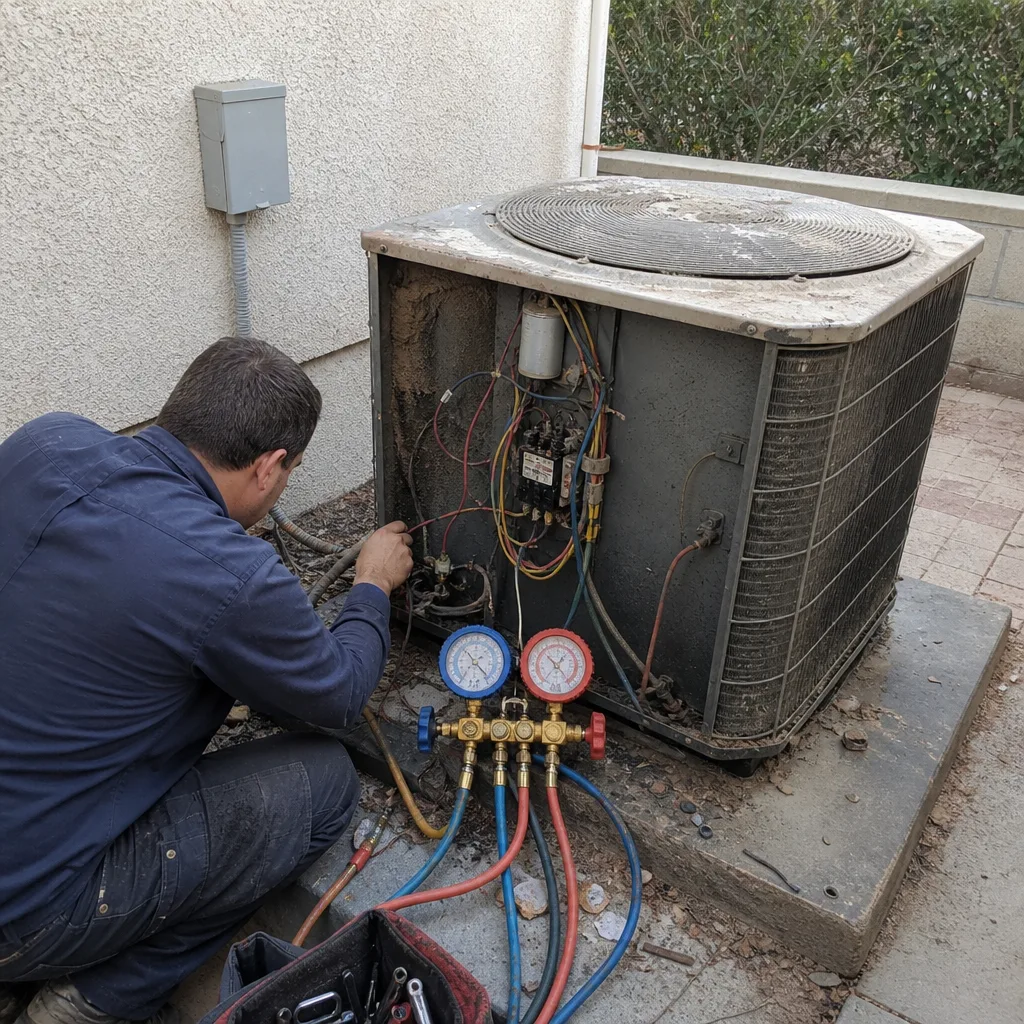
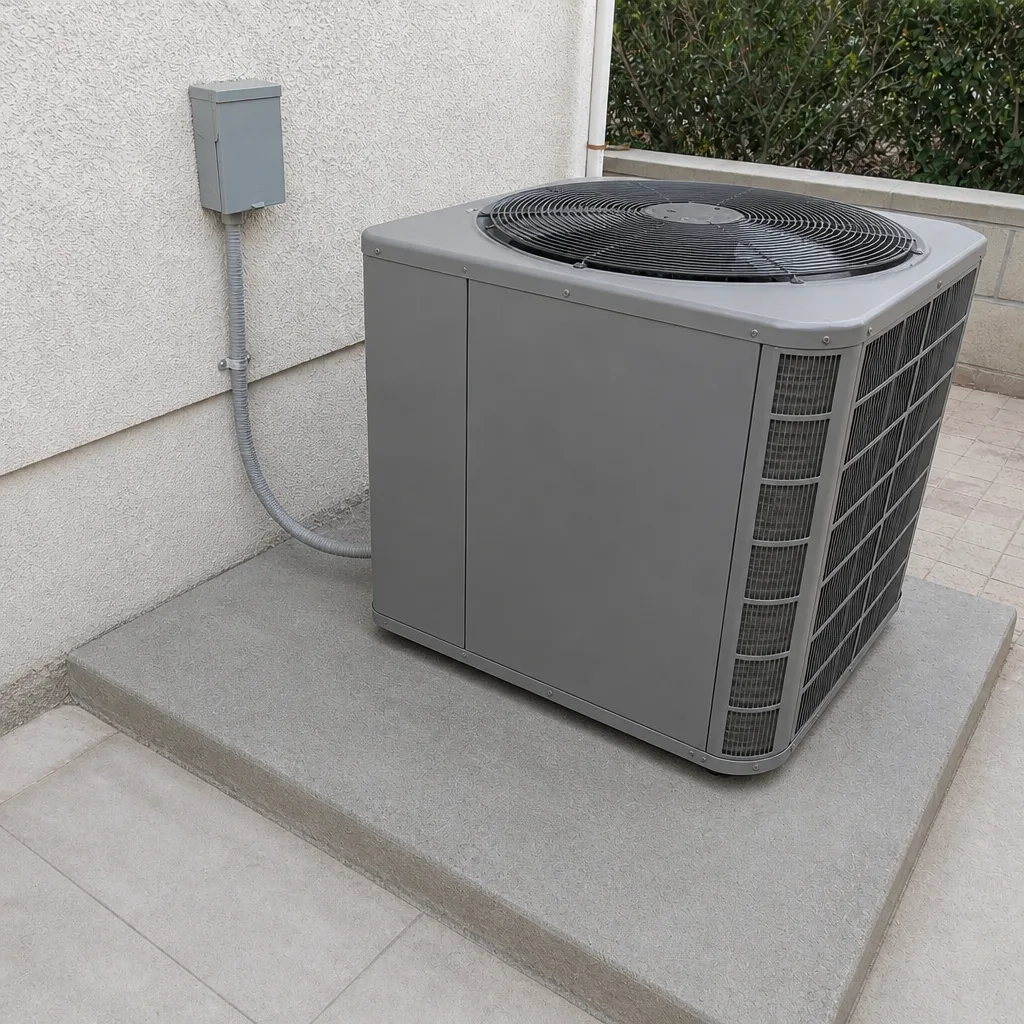
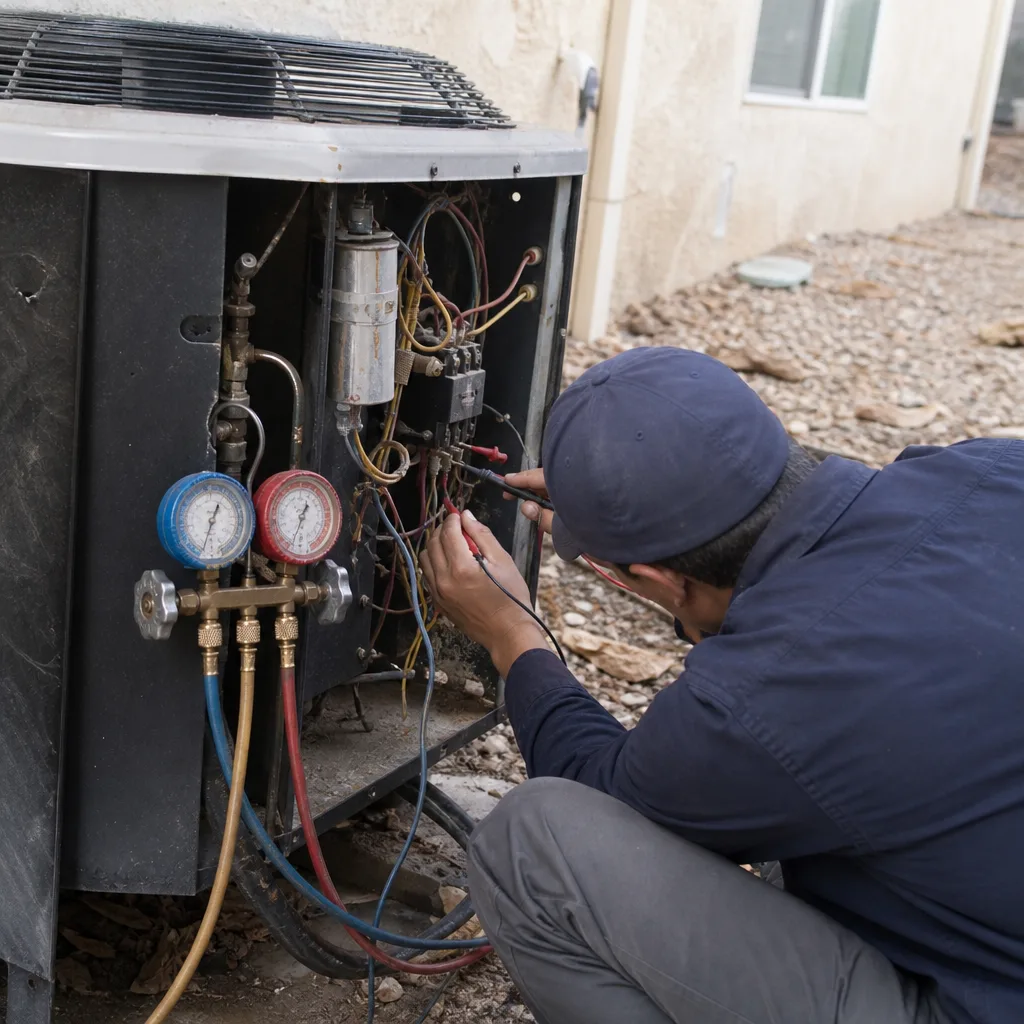
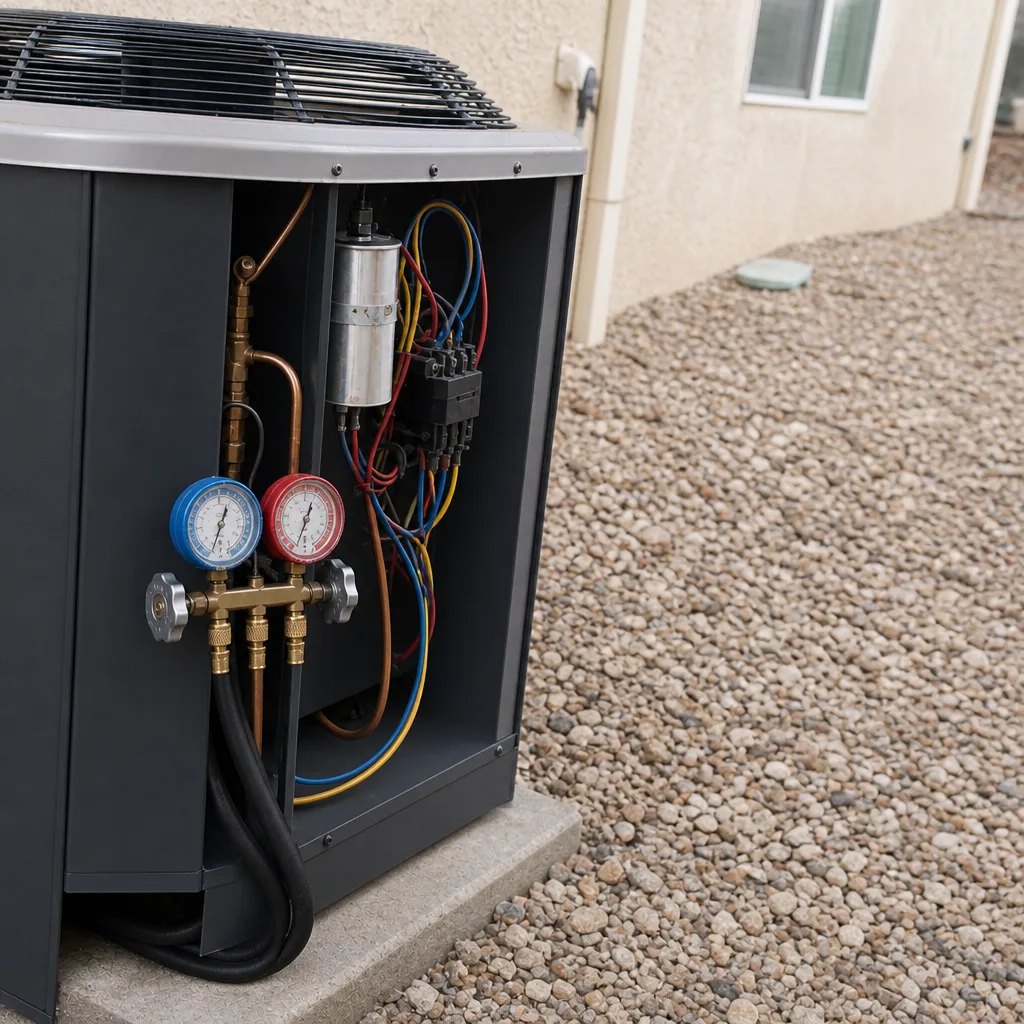
See the difference
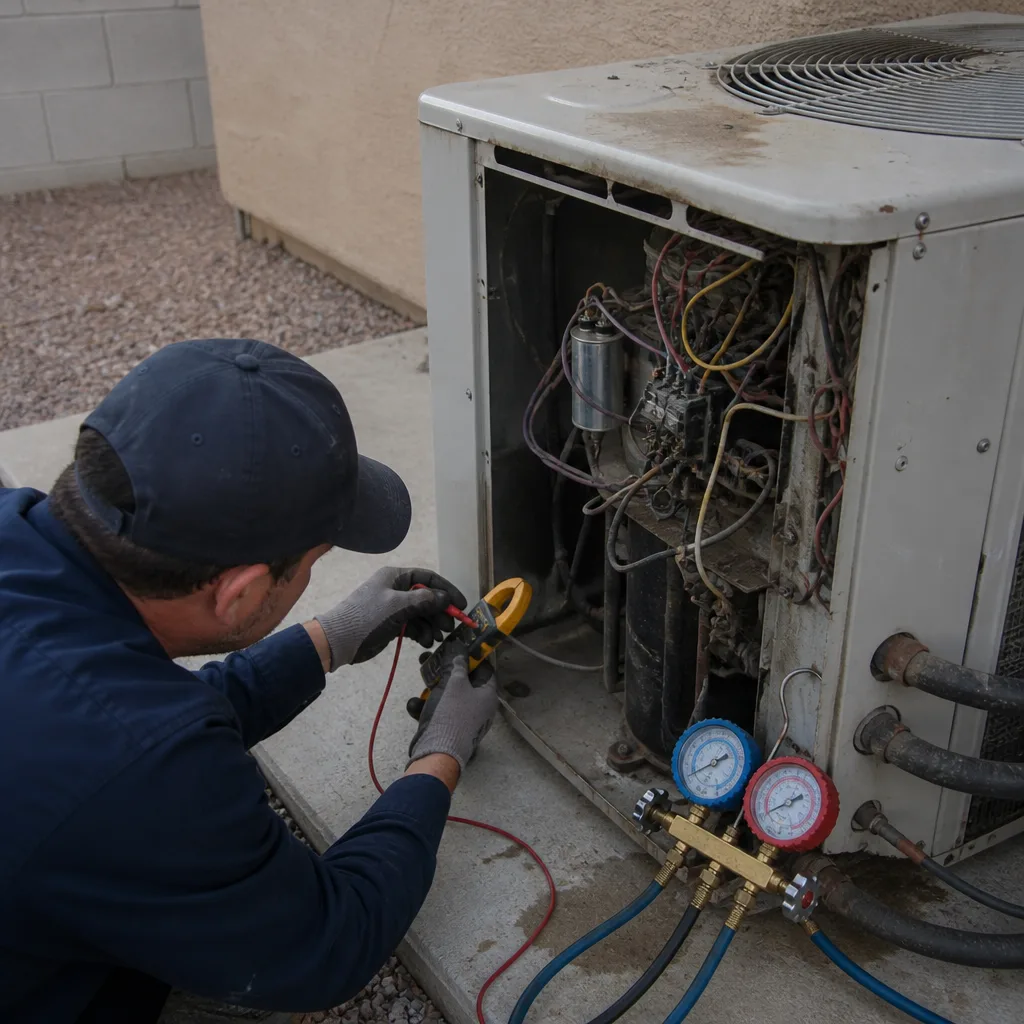 Before
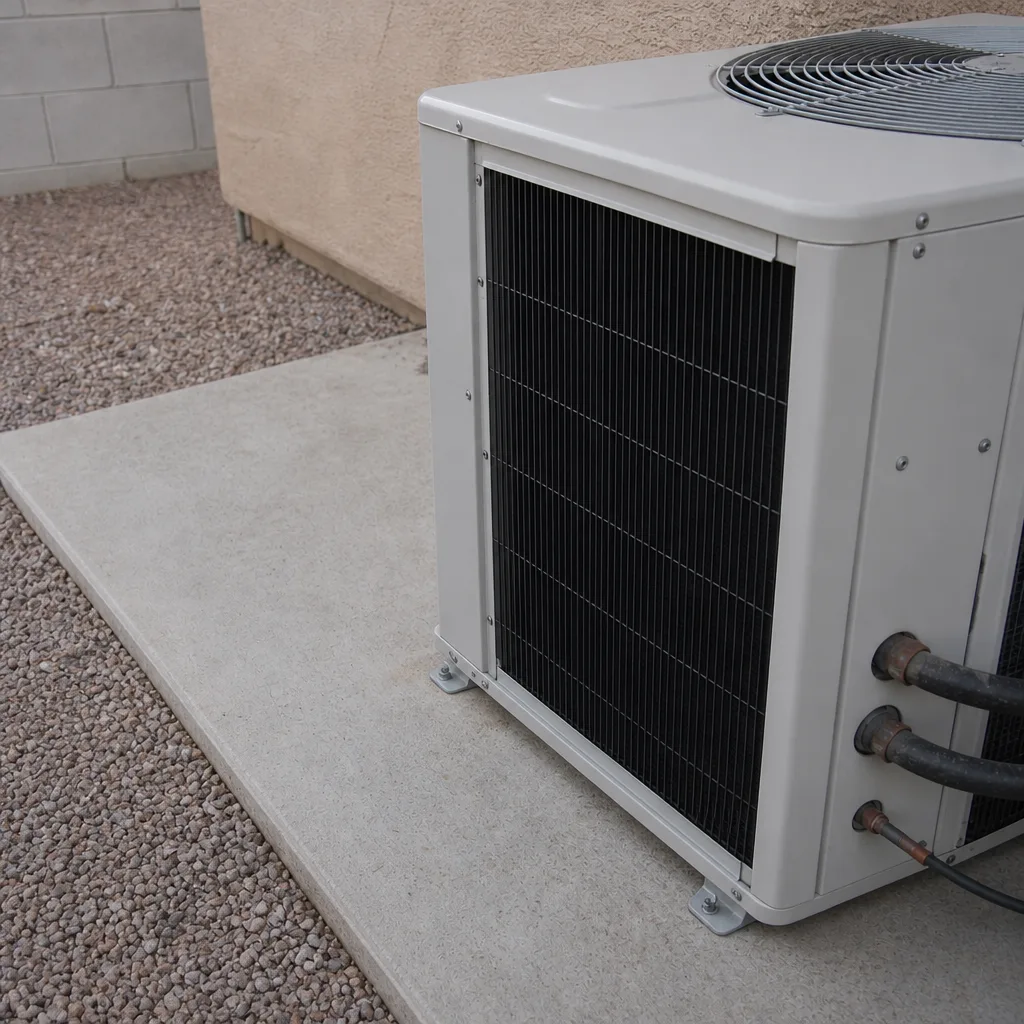 After
 Before
 After
 Before
 After
Frequently Asked Questions
Short-cycling above 105°F is the single most important early warning in Summerlin. It means the system is finishing a cycle early and may be on the edge of a full failure. A second key sign is a rising utility bill that appears before any temperature problem; that often means the system is losing efficiency. If you see either, call (833) 317-1621 for a free estimate.
No, but in July in Summerlin, warm air from the vents while the compressor is running should be treated as urgent. Warm air in February is not a warning at all; it’s what a heat pump is supposed to do in heat mode. Warm air in a cooling month is a symptom; call for a diagnostic, and we’ll tell you what the system is doing.
The observable signs differ. Ice on the line set and a hissing sound suggest a leak. A gradual loss of cooling with no noise suggests low charge. A clunk, a hum followed by silence, or a repeatedly tripped breaker suggests the compressor. Refrigerant handling is not a homeowner task; call (833) 317-1621 and we’ll diagnose it for a flat price, not guesswork.
Yes, and at peak heat above 105°F, it’s often the right call. Turning the thermostat up or off when the system is short-cycling or making imminent-failure sounds prevents the compressor from burning out while you wait. We answer 24/7. A call outside dispatch hours is booked into the next opening, Sunday through Friday, 7am to 7pm. Call (833) 317-1621.
It tells you the system is losing efficiency, often before it shows a visible symptom. A bill that’s 10% or more higher than the same month last year, with no change in setpoint or occupancy, points to a system that’s working harder for the same result. If the bill is up and the cool airflow feels weaker, call for a diagnostic. Estimates are free; call (833) 317-1621.
It shouldn’t. We work on nine major AC brands, including Carrier, Trane, Lennox, Goodman, Rheem, York, Daikin, Bryant, and American Standard, so you don’t hit a “we don’t work on that brand” dead end. The diagnostic path is the same regardless of brand; only the parts are specific. Call (833) 317-1621 for a free estimate.
The Bottom Line
The warning signs that matter in Summerlin are the ones calibrated to desert heat. Above 105°F, short-cycling, warm air from the vents with the compressor running, ice on the line set, and imminent-failure sounds are Tier 1 symptoms; call the same day. Below that heat level, the same symptoms deserve a call, but the urgency is lower. The early-warning signals that most homeowners ignore are the ones that show up in the utility bill and in a gradual loss of cooling. Reading those signals before the system fails is the difference between a repair and a replacement. If you’re seeing any of these signs, call (833) 317-1621 for a free estimate. We can assess the symptom, tell you what’s likely happening, and lay out the options. Call (833) 317-1621. We answer 24/7. Fast dispatch from 7am to 7pm, Sunday through Friday.
Written by the team at AC Repair Summerlin.