
Last updated November 18, 2026
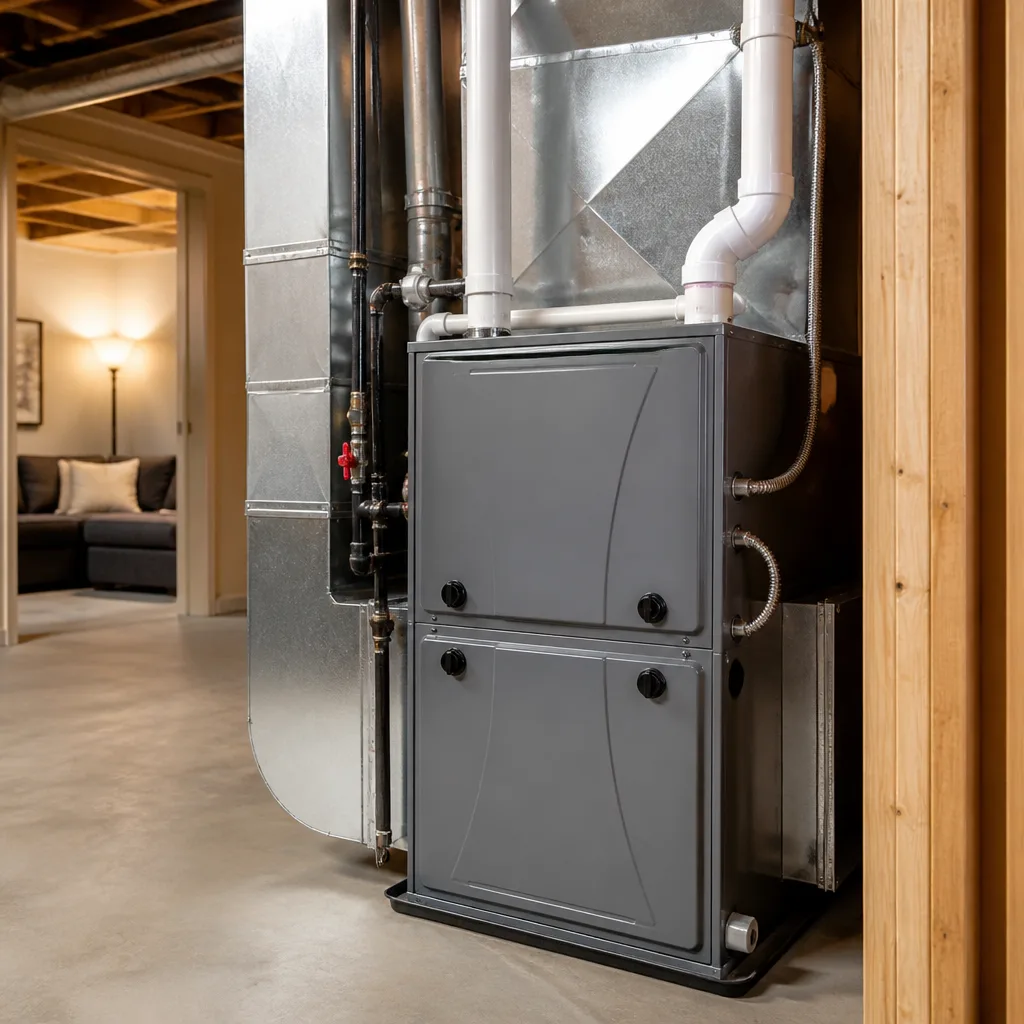 Furnace & heating
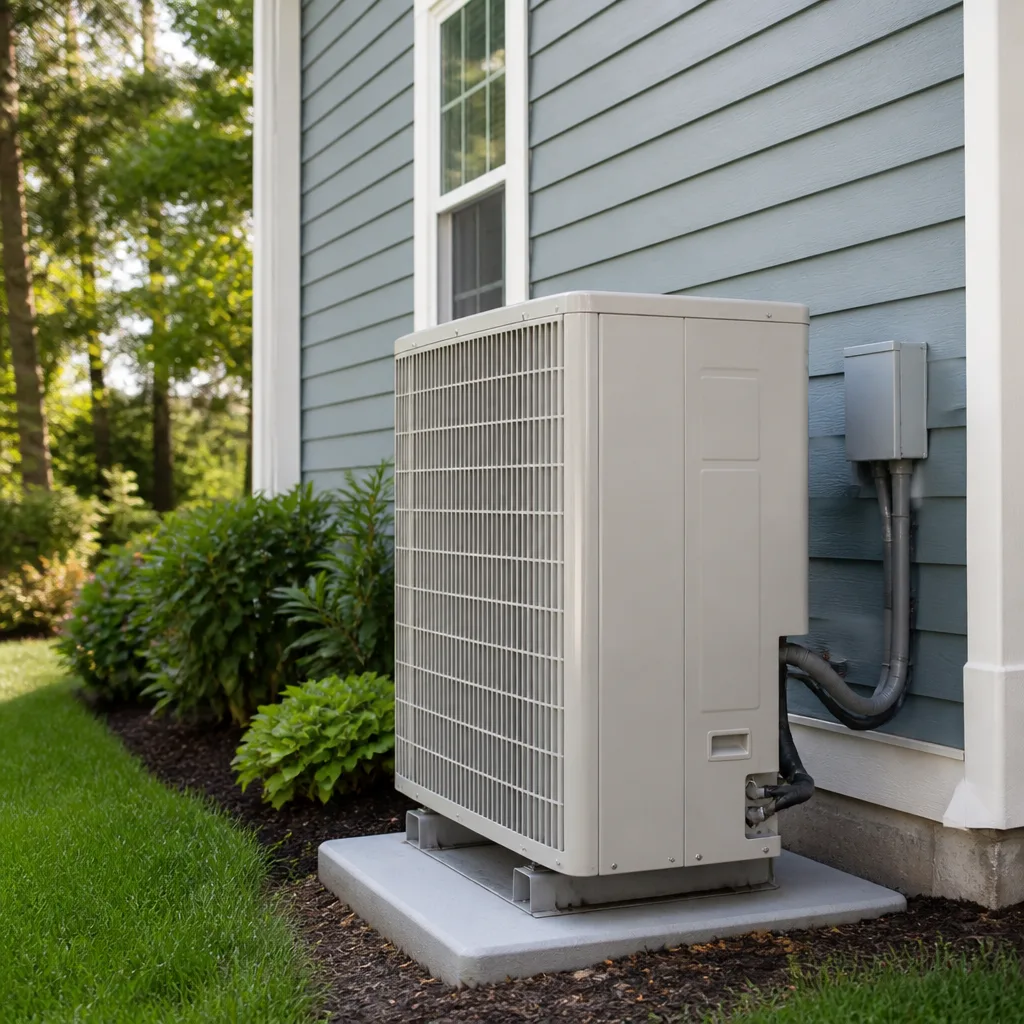 Heat pumps
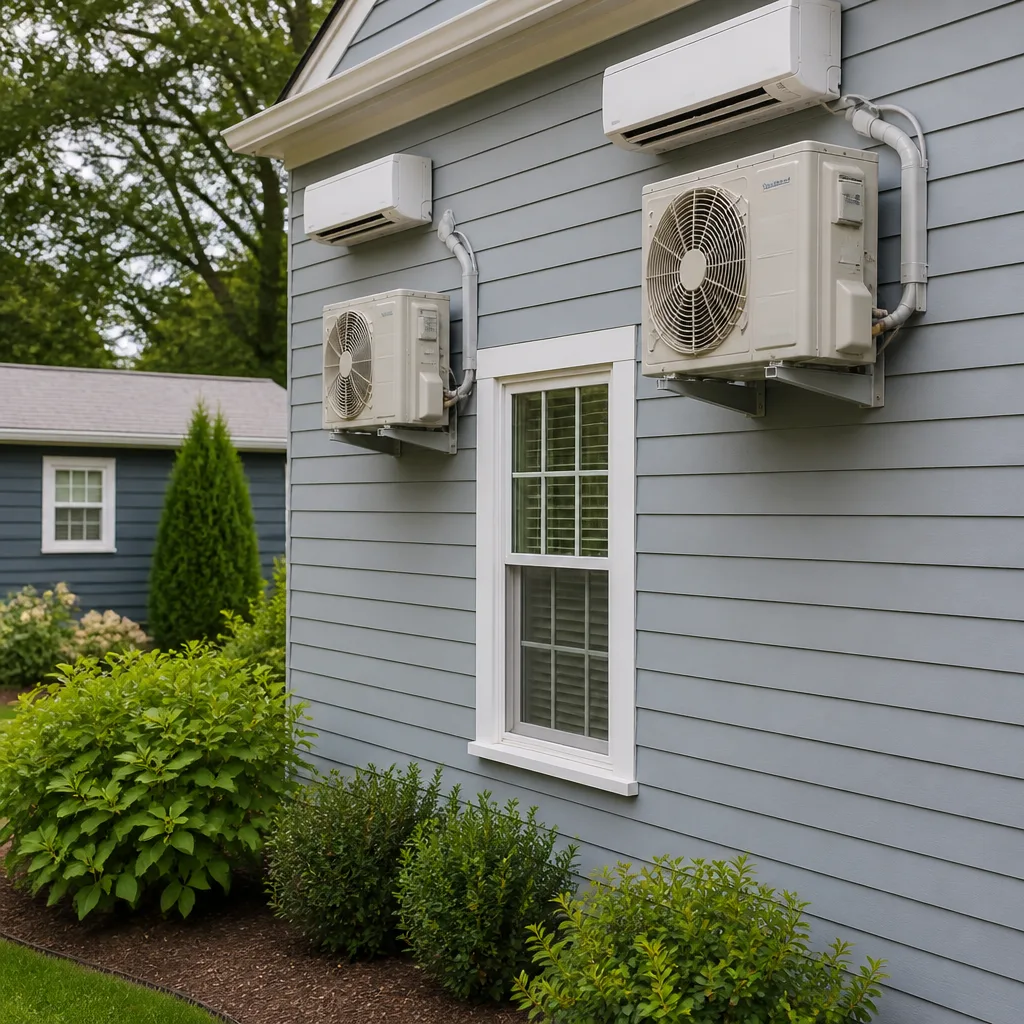 Ductless mini splits
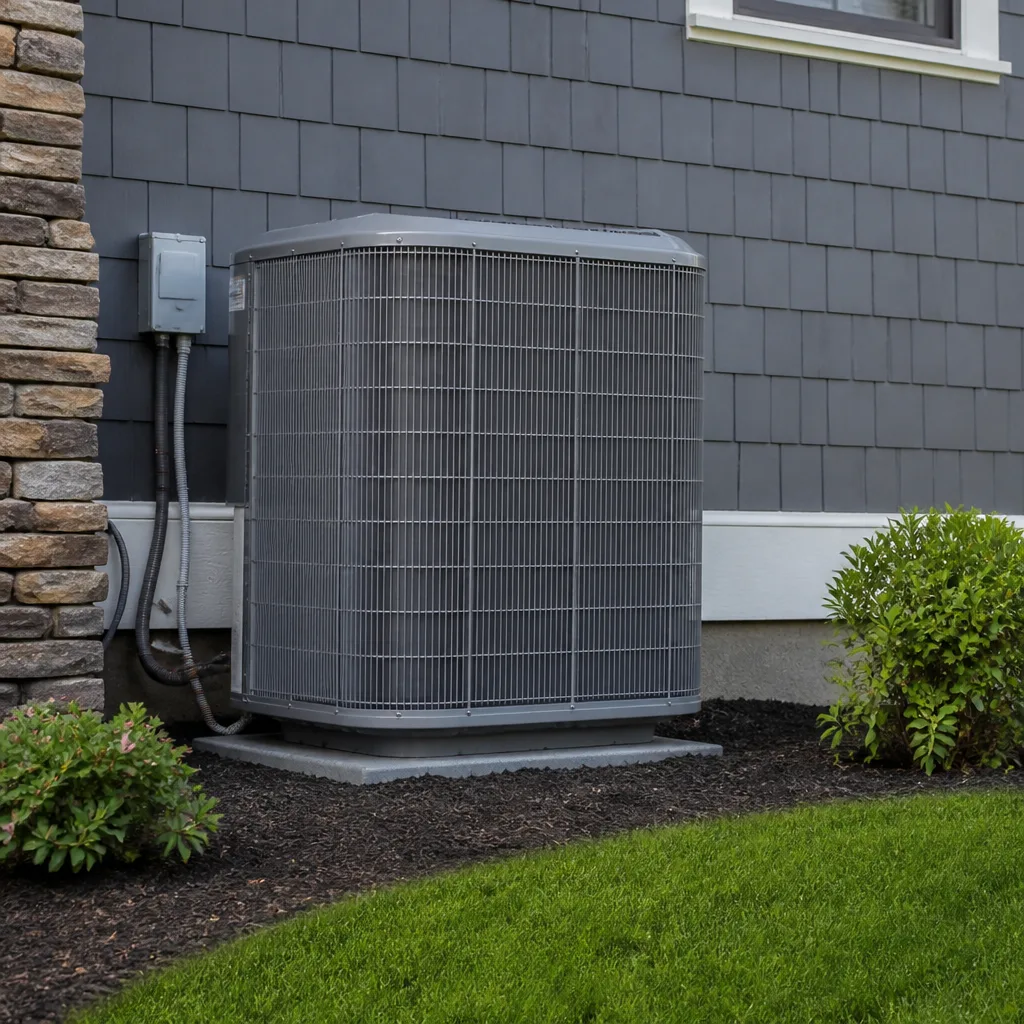 Carrier
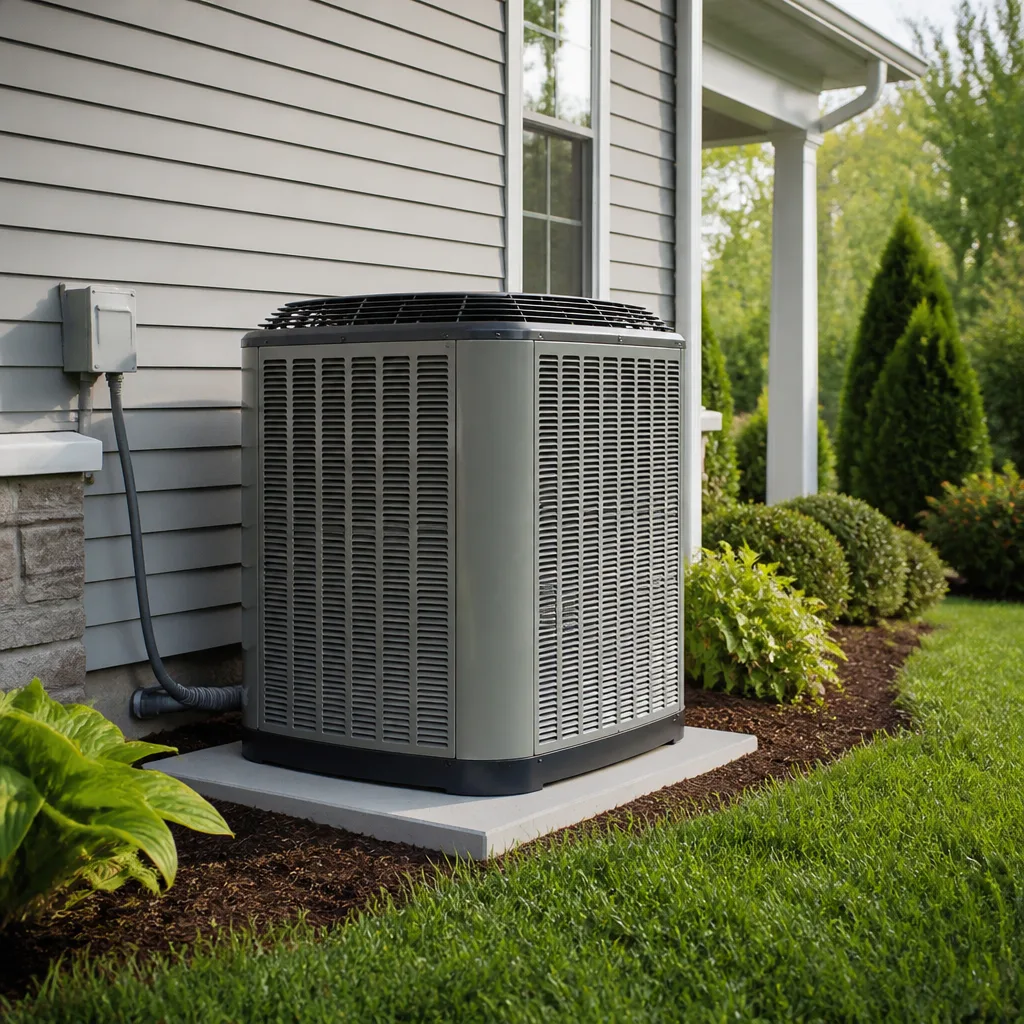 Trane
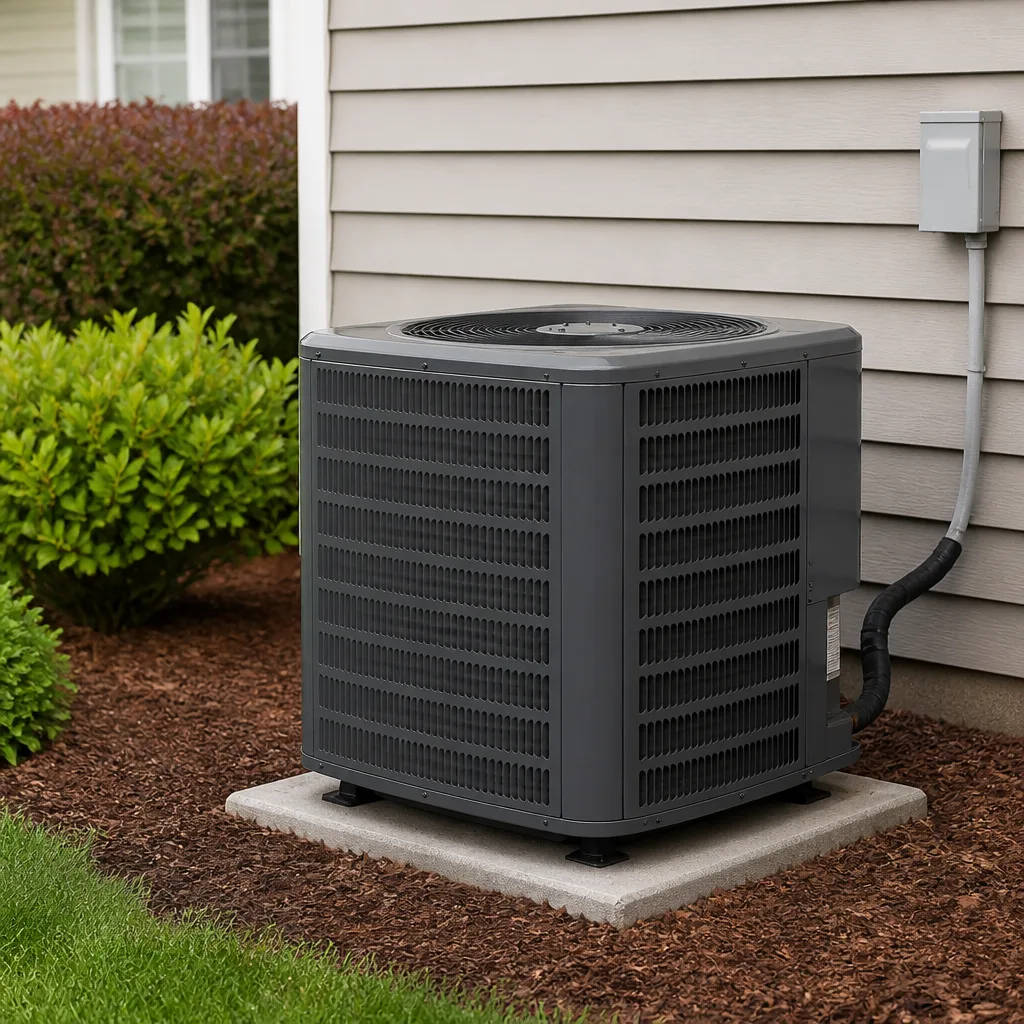 Goodman
Seasonal tune-up and full diagnostic on your Carrier, Trane, or Goodman system - readings shown to you before any repair is proposed
Diagnosis first, numbers second - you approve the repair price before a single part goes in.
Get your free estimateAC Repair Maintenance Checklist for Summerlin Homeowners
Most AC maintenance checklists you’ll find online were written for mild climates, and they quietly assume a system that runs a few hundred hours a year. A Summerlin system is a different animal. It fights dust, hard water minerals, and a cooling season that can stretch across a hundred days of triple-digit heat, and it does all of that while sitting on a roof or a sun-baked pad. The single task most homeowners skip, cleaning the condenser coils, is also the fastest way to turn a modest service call into a compressor replacement. This guide is ordered by what actually fails first in desert conditions, not by the tidy sequence of a national template. You’ll get a pre-season checklist timed to April, coil-cleaning intervals tuned to Summerlin’s air, a post-monsoon inspection routine, and a way to audit your own airflow between professional visits.
Quick Answer
Get your Summerlin AC professionally serviced in April, before the first 100°F day, then clean or check the air filter every month through the cooling season, rinse the condenser coils on a schedule set by your dust exposure, and inspect the outdoor unit for debris after every monsoon storm. Between visits, watch your filter load and airflow for signs of restriction. These steps target the failures that hit desert systems first: clogged coils, low refrigerant charge, and blocked condensate drains.
Styles & brands we work with
- AC installation
- Furnace & heating
- Heat pumps
- Ductless mini splits
- Carrier
- Trane
- Goodman
Table of Contents
- Why Desert Maintenance Differs From National Checklists
- The April Pre-Season Checklist
- Coil Cleaning: How Often in Summerlin’s Dust
- What to Inspect After Every Monsoon Event
- Refrigerant Charge Verification in Extreme Heat
- Self-Auditing Airflow and Filter Load Between Visits
- A Month-by-Month Maintenance Rhythm
Why Desert Maintenance Differs From National Checklists
A national maintenance checklist assumes a cooling system that works seasonally and rests the rest of the year. In Summerlin, your system may run for months with barely a break, and the load rarely drops below “heavy” from late spring into early fall. That changes the maintenance math in three ways.
First, run time compounds everything. A system that operates twice as many hours accumulates twice the wear on contactors, capacitors, and fan motors, and it pulls far more air across its coils. Second, the air itself carries more particulate. Summerlin sits in a valley where wind lifts fine dust and caliche grit, and that material finds its way into condenser coils, filter racks, and outdoor fan blades. Third, the temperature swing stresses the refrigerant circuit. A system that’s slightly undercharged in a mild climate may limp along for years; in sustained extreme heat, the same deficit shows up as poor cooling and higher compressor strain much sooner.
Here’s the practical translation:
- Filter changes that a national guide schedules every three months need to happen monthly in peak season here.
- Coil cleaning, often an annual note on a generic list, needs a desert-specific interval tied to your home’s dust exposure.
- Post-storm inspection, which most checklists don’t mention at all, matters in Summerlin because monsoon winds drive grit and debris into outdoor units.
Treat these differences as the backbone of your routine. Everything else in this guide builds on them.
The April Pre-Season Checklist
April is the right month in Summerlin. You want the work done before the first 100°F day, not after your system has already been running hard for two weeks and something fails at the worst possible moment. Scheduling in April also means you’re not competing for a technician’s time during the July rush, when every failing system in the valley seems to call at once. Book your professional visit early and use the weeks before it to run through the checks below.
What a proper pre-season visit covers, and what you can verify yourself:
- Air filter. Replace it or clean it before the season starts. A clogged filter is the most common avoidable cause of reduced cooling.
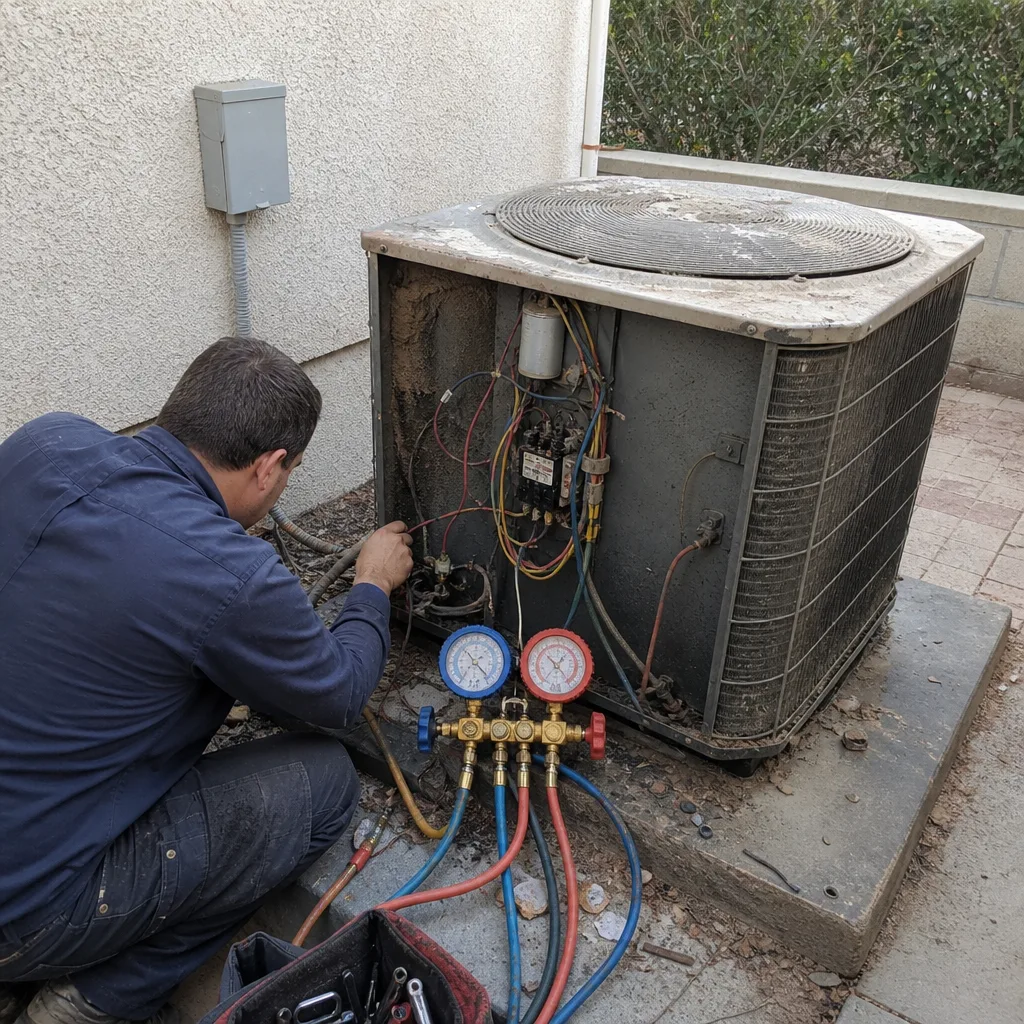
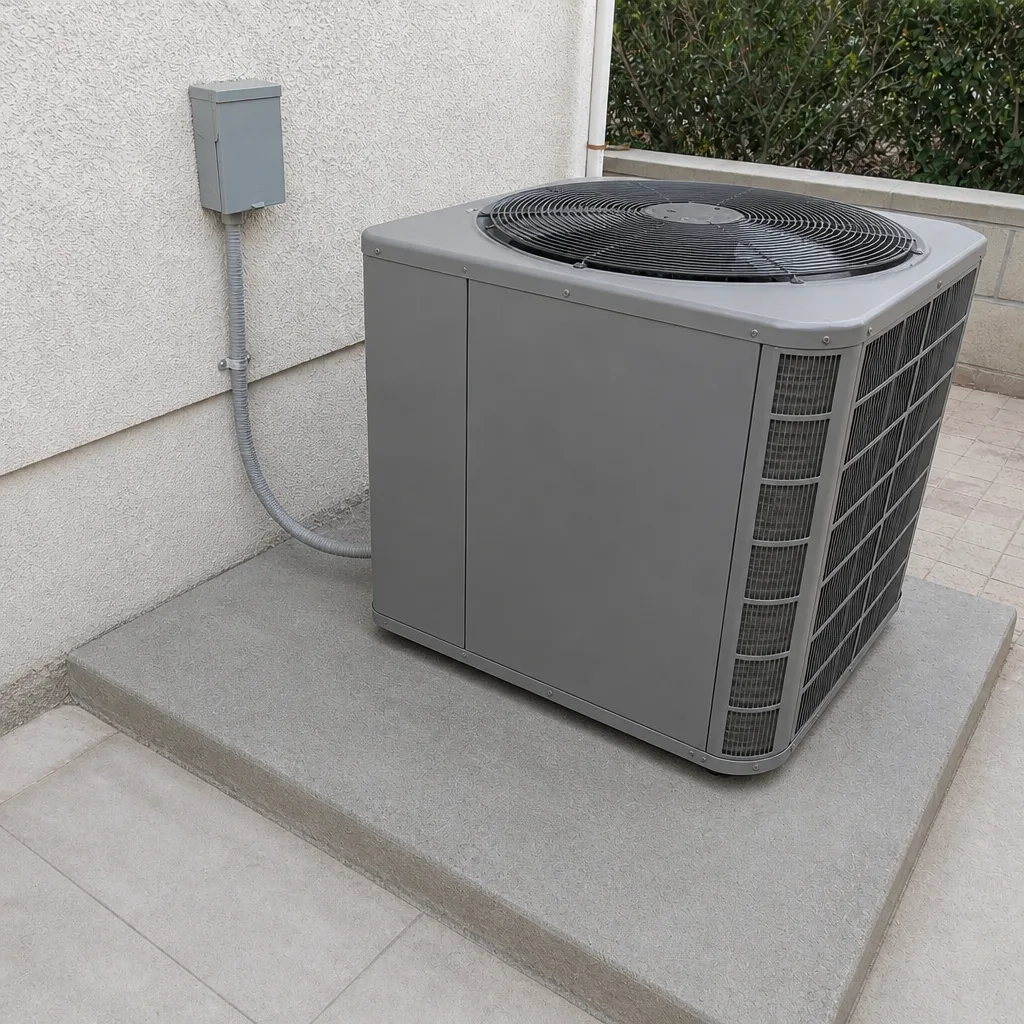
- Condenser coil condition. Look at the outdoor unit’s coil fins. Visible dust, lint, or cottonwood fluff means it needs attention before summer.
- Outdoor unit clearance. Clear at least two feet around the unit. Trim back anything that blocks airflow, and sweep away accumulated debris from the base.
- Condensate drain. Confirm the drain line and pan are clear. A clogged drain in high heat can cause water damage and shut down the system.
- Thermostat behavior. Test the thermostat through a full cycle. If it holds temperature poorly or the display flickers, flag it for the technician.
- Refrigerant lines and insulation. Check that the line insulation isn’t cracked or missing. Sun-degraded insulation is common here.
- Professional tune-up. Have a technician verify refrigerant charge, electrical connections, capacitor health, and blower operation. This is where a trained eye catches the small failures before they become summer breakdowns.
If your system is a Carrier, Trane, Bryant, or American Standard unit, a specialist familiar with those brands will know the specific charge and airflow specs to check against. That matters more than a generic inspection.
Coil Cleaning: How Often in Summerlin’s Dust
National guides often suggest cleaning condenser coils once a year. In Summerlin, that’s frequently not enough. The valley’s dust and caliche-rich air coat outdoor coils faster than the national average assumes, and a dirty coil forces the compressor to work harder to reject heat. That extra strain is exactly how a modest maintenance cost turns into a much bigger repair bill.
Use your home’s exposure to set the interval:
- High-dust locations (near open desert, construction, or windy ridgelines): check the coil every two to three months during the cooling season, and clean when you see visible buildup.
- Typical suburban lots: inspect monthly, clean every three to four months in peak season, and always before the season starts in April.
- Sheltered, landscaped lots: inspect monthly, clean two to three times per season.
Two things to know about cleaning coils yourself. A gentle rinse from the inside out with a garden hose is fine for light surface dust, but high-pressure water can bend the fins and do more harm than good. And if the coil is packed with embedded grit or the fins are damaged, that’s professional work. A technician can clean it properly and check that airflow across the coil is what the manufacturer intended.
In our experience, coil condition is one of the clearest dividing lines between systems that coast through summer and systems that struggle. It’s cheap to stay ahead of and expensive to ignore.
What to Inspect After Every Monsoon Event
Monsoon season is the part of the year that national checklists ignore entirely, and it’s a genuine failure point in Summerlin. Wind-driven rain and dust can push debris, grit, and moisture into places that don’t see it the rest of the year. A quick inspection after each significant storm heads off problems that otherwise surface weeks later as a no-cool call.
Run through this after any strong monsoon event:
- Outdoor unit debris. Check for leaves, grit, and wind-blown material packed against the coil or sitting on top of the unit. Clear it promptly.
- Coil fins. Look for bent or flattened fins from blown debris. Damaged fins reduce heat transfer and should be straightened or flagged for service.
- Electrical connections. If water reached the disconnect or wiring, don’t power the unit back on yourself. Call a professional to inspect it safely. Electrical work around a wet unit is a real hazard.
- Condensate line and pan. Storms can push debris into the drain. Confirm it’s draining freely.
- Foundation and pad. Check that the outdoor pad hasn’t shifted. A unit that’s no longer level can stress its lines and mounts.
- Indoor air handler. If you had any water intrusion near the indoor unit, have it checked before running the system.
A short post-storm walkaround takes a few minutes and catches the kind of damage that a generic annual checklist would miss until it becomes a repair. Given how much of Summerlin’s cooling season overlaps with monsoon activity, this step deserves a permanent place in your routine.
Refrigerant Charge Verification in Extreme Heat
Refrigerant charge is the amount of refrigerant in your system, and a system that’s low on charge can’t cool properly no matter how clean the coils are. Here’s what desert heat changes: low-charge symptoms appear faster and cost more in Summerlin than in a mild climate. When the outdoor temperature is extreme, an undercharged system has to run longer and harder to hit the thermostat setting, which drives up compressor strain and energy use. A small leak that’s barely noticeable in spring becomes an obvious cooling failure in July.
Signs your system may be undercharged:
- Cooling that never quite keeps up, even with a clean filter and clear airflow.
- The outdoor unit running almost continuously.
- Warm air from the vents when the system should be cooling.
- Ice or frost forming on indoor coils or refrigerant lines (a real sign of a charge or airflow problem).
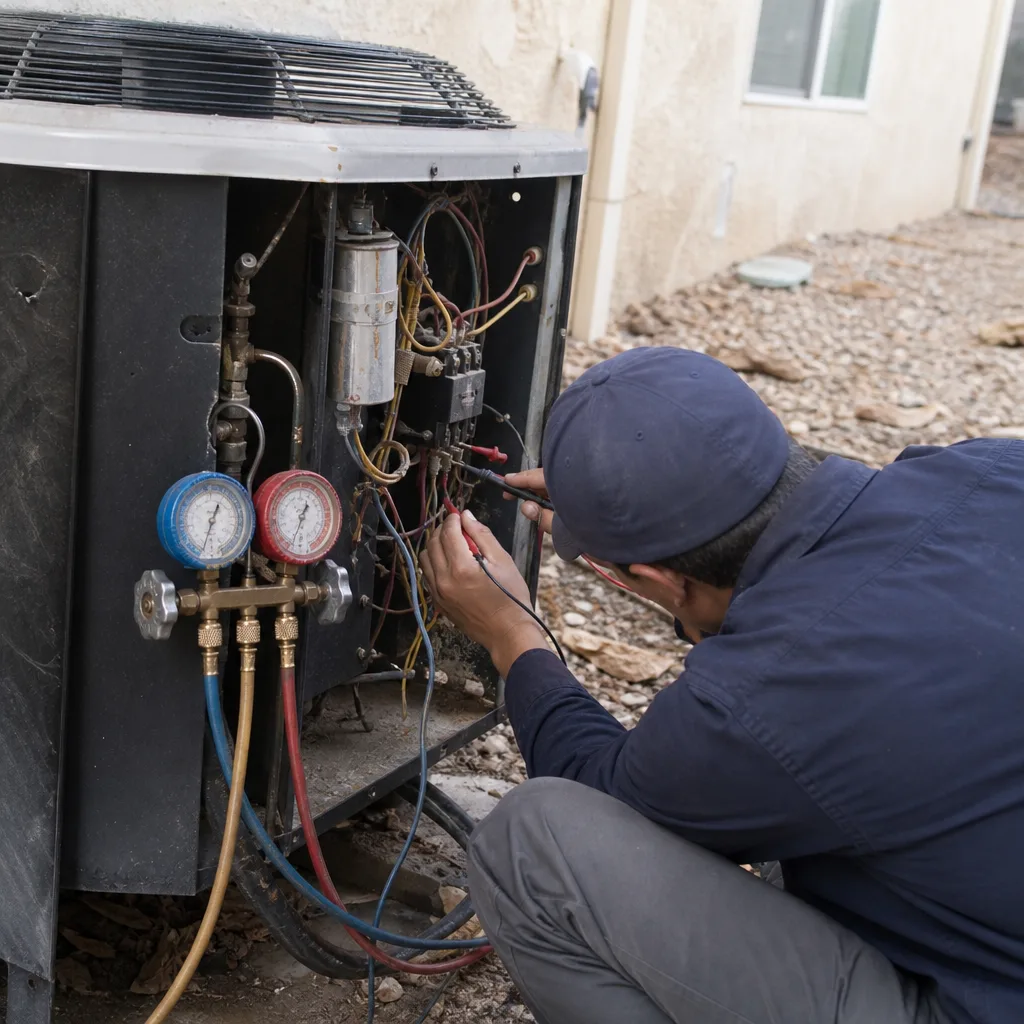
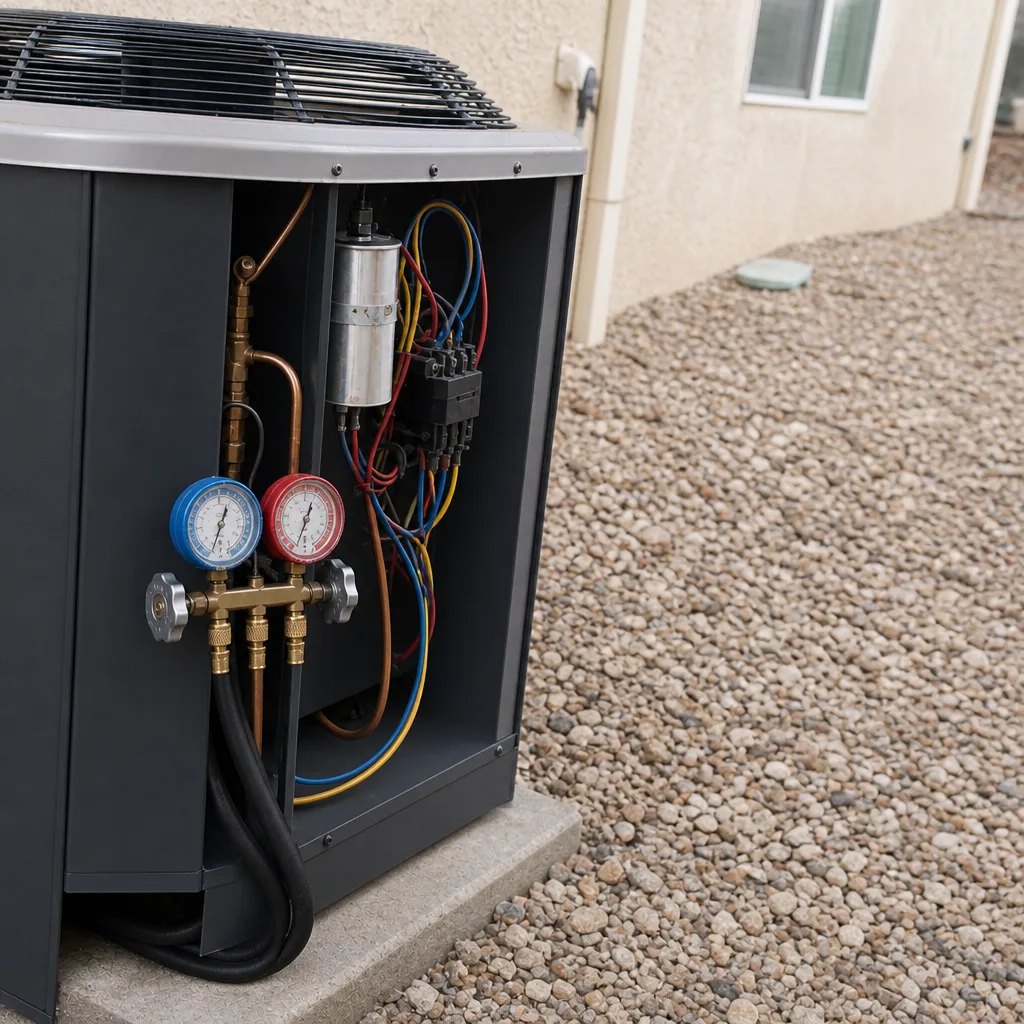
Refrigerant charge verification is professional work. It requires gauges, temperature readings, and a careful calculation against the manufacturer’s spec. Topping off refrigerant without finding and fixing the leak is a temporary fix that wastes money and masks the real problem. A brand-neutral specialist will diagnose the actual condition of your system rather than pushing a replacement you don’t need. That’s the approach we take, and it’s why we recommend verifying charge as part of every pre-season tune-up rather than waiting for a failure.
If a technician confirms a leak, the honest conversation is repair-first: fix the leak and recharge if the system is otherwise healthy, and reserve replacement for the cases where it genuinely makes sense.
Self-Auditing Airflow and Filter Load Between Visits
You don’t need tools to keep an eye on airflow between professional visits. A simple self-audit catches restriction early, and doing it correctly doesn’t void any manufacturer warranty, as long as you stick to routine tasks: filter changes, clearing around the unit, and visual checks. Leave anything involving the sealed refrigerant circuit, electrical components, or blower internals to a professional.
A quick monthly airflow audit:
- Change the filter first. Then note the date. Tracking filter life tells you a lot about how much dust your system is pulling in.
- Feel the vent airflow. Hold a hand near a supply register. Weak airflow across multiple vents points to a restriction.
- Check temperature split. Compare air temperature at a return vent to a supply vent. A meaningful gap means cooling is happening; a small gap means something’s off.
- Watch run time. A system that runs far longer than usual to hold temperature is straining. Note it for your next service call.
- Listen to the outdoor unit. Grinding, rattling, or repeated cycling are all flags.
Keep a simple log: filter change dates, any unusual noises, and run-time observations. When a technician visits, that log is genuinely useful, and it helps pinpoint problems fast.
A Month-by-Month Maintenance Rhythm
Here’s a maintenance rhythm built around the Summerlin climate rather than the calendar on a generic guide. Treat it as a template you adjust to your home’s dust exposure.
- March. Book your April professional tune-up. Replace the filter and do a full walkaround of the outdoor unit.
- April. Professional pre-season service: charge verification, coil cleaning if needed, electrical and capacitor checks, condensate drain clearing. This is the most important appointment of the year.
- May through September. Change or clean the filter monthly. Inspect coils monthly and clean as buildup appears. Run the airflow audit each month. Inspect after every monsoon event.
- October. Post-season walkaround. Note any issues from the summer for next spring.
- November through February. Lighter heating-season attention. Keep filters clean and watch for signs of strain.
Pairing this rhythm with a professional maintenance visit keeps your system from drifting into reactive, emergency-driven care. If your AC does fail, whether it’s a repair situation or time to plan ahead for a new system, we cover both, which means the same specialist who maintains your unit can fix it or advise on replacement. For a full picture of what we handle across the Summerlin cooling market, that’s the simplest place to start.
Common Mistakes to Avoid
- Waiting until the first hot week to call. In Summerlin, April appointments are calm and July appointments are booked. Get ahead of the season instead of chasing it.
- Cleaning coils with a pressure washer. High pressure bends fins and damages the coil. A gentle rinse or a professional cleaning is the safe route.
- Skipping post-monsoon inspections. Wind-driven debris and moisture cause problems that surface later. A few minutes after each storm prevents a repair call.
- Ignoring a filter that clogs constantly. If filters load up fast, dust is getting into the system. That’s a sign to check coil condition and airflow, not just to swap filters more often.
- Topping off refrigerant without finding the leak. It’s a short-term fix that wastes money and hides a real problem. Find and fix the leak.
- Letting a generalist guess at brand-specific specs. A unit that’s a Bryant or an American Standard has specific charge and airflow targets. A specialist familiar with the brand checks to spec, not to a rough guess.
- Running the system without checking the condensate drain. In high heat, a clogged drain can cause water damage and a shutdown. Clear it as part of every pre-season visit.
See the difference
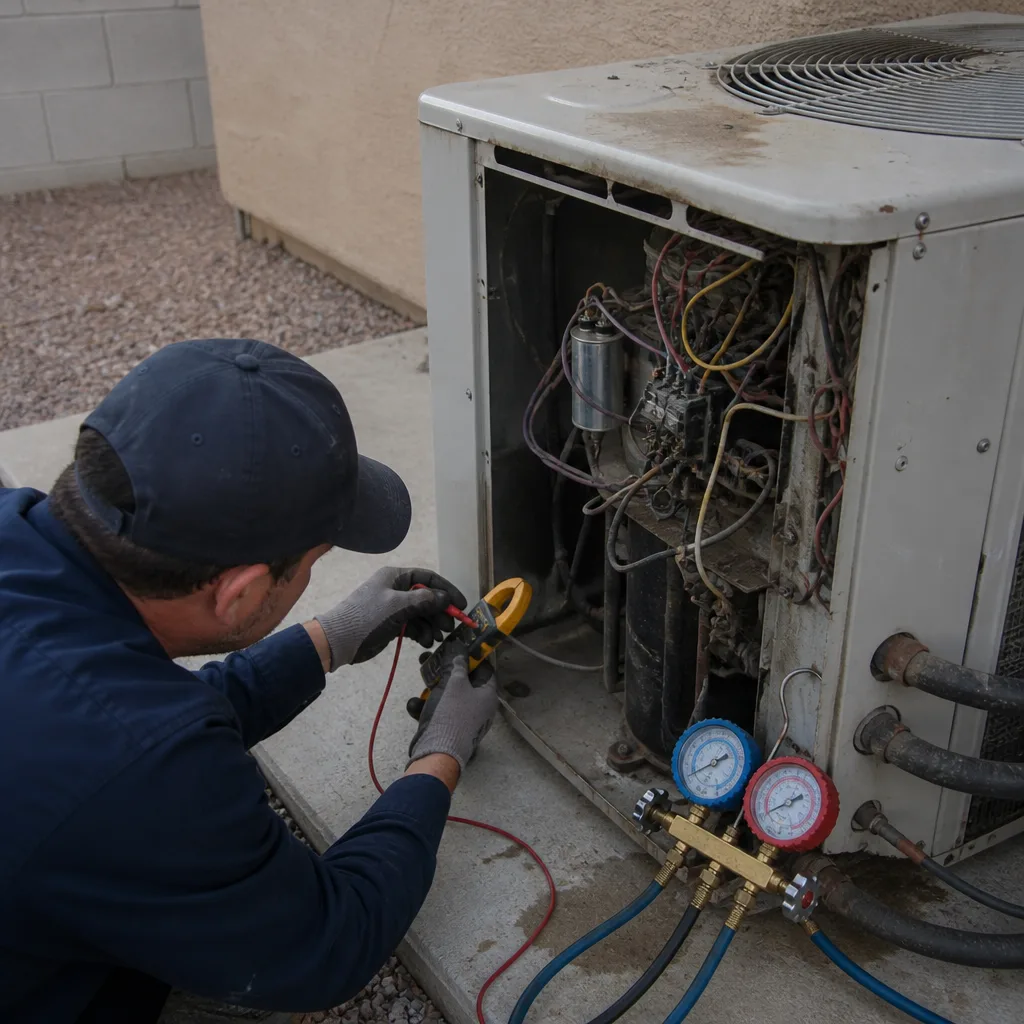 Before
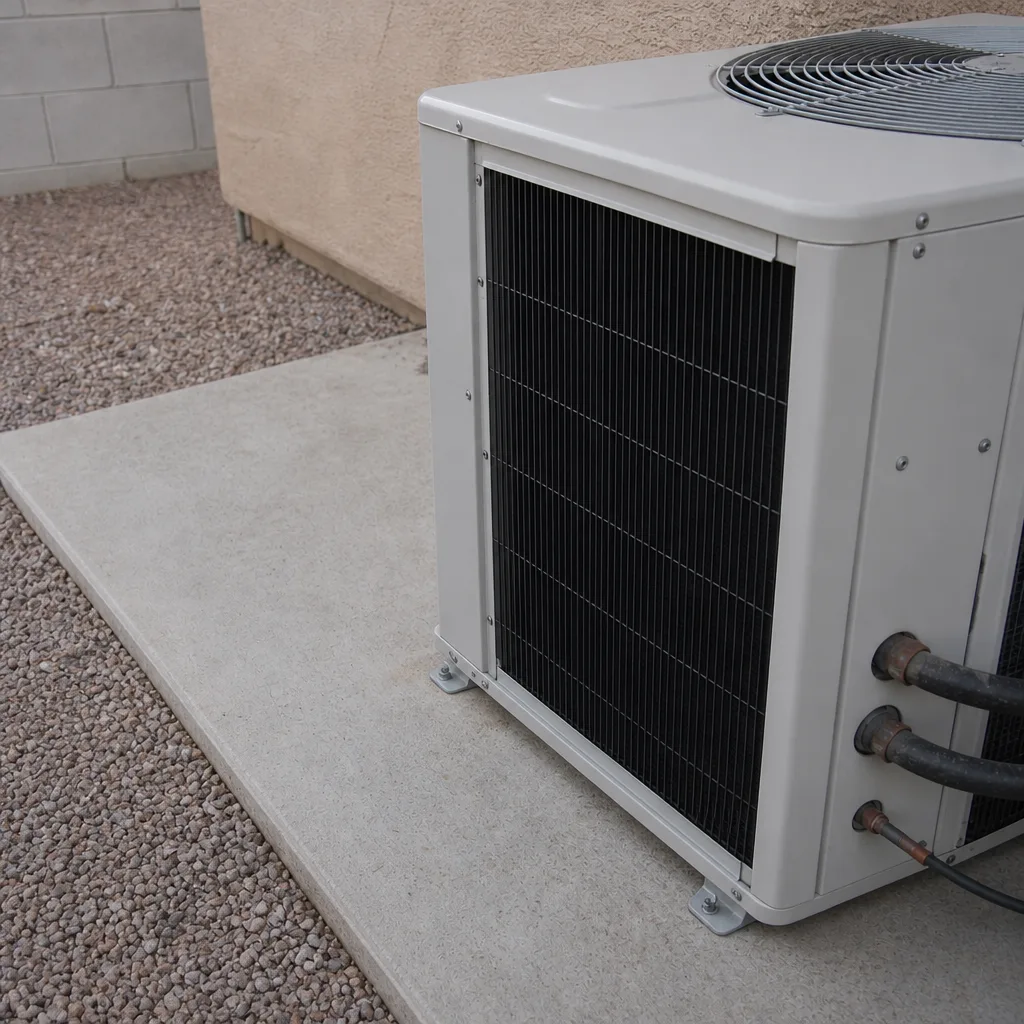 After
 Before
 After
 Before
 After
When to Call a Professional
Some jobs are routine; others need a trained hand. Call a professional when you find a refrigerant leak or suspect a charge problem, when the outdoor unit won’t start or trips the breaker, when water is pooling near the indoor unit, when you hear grinding or rattling from the outdoor unit, or when a monsoon storm has pushed water into the electrical components. Those situations involve hazards a homeowner shouldn’t take on. For everything else, routine maintenance and prompt attention go a long way. AC Repair Summerlin offers free estimates in Summerlin, and our technicians have up to 12 years of experience across nine major brands. Call (833) 317-1621 to book a visit.
Frequently Asked Questions
Once a year, ideally in April before the first 100°F day, plus monthly filter changes and coil checks during the cooling season. Desert run time and dust mean more frequent attention than a national guide suggests.
Summerlin’s dust and caliche-rich air coat outdoor coils faster than in milder climates, so cleaning intervals should be shorter and tied to your home’s dust exposure. Inspect monthly and clean as visible buildup appears.
Look for debris packed against the outdoor coil, bent fins, water near electrical components, and a clear condensate drain. If water reached the electrical disconnect, don’t power it on; call a professional.
Yes. In extreme heat, an undercharged system runs longer and harder, which increases compressor strain and cost. Charge verification during a pre-season tune-up catches small leaks before they become summer failures.
Routine tasks like gentle rinsing of light surface dust, filter changes, and clearing around the unit are generally safe. Avoid pressure washing and leave sealed refrigerant and electrical work to a professional.
Repair first is usually the right call when the system is otherwise healthy and the fix is straightforward. Replacement makes more sense when a major component like the compressor fails and the system is near the end of its life. Call (833) 317-1621 for a free estimate and an honest assessment.
The Bottom Line
Summerlin’s cooling season punishes systems that coast on generic maintenance. The wins are straightforward: a professional tune-up in April, filters changed monthly in peak season, condenser coils cleaned on a desert-tuned schedule, a post-monsoon inspection after every storm, and a monthly airflow audit between visits. Together, they target what actually fails first here: dirty coils, low charge, and blocked drains. Keep your log, stay ahead of the calendar, and call a specialist when the problem is beyond routine care. We answer 24/7. Fast dispatch from 7am to 7pm, Sunday through Friday.
Call (833) 317-1621 for a free estimate. We answer 24/7. Fast dispatch from 7am to 7pm, Sunday through Friday.
Written by the team at AC Repair Summerlin.