
Last updated November 18, 2026
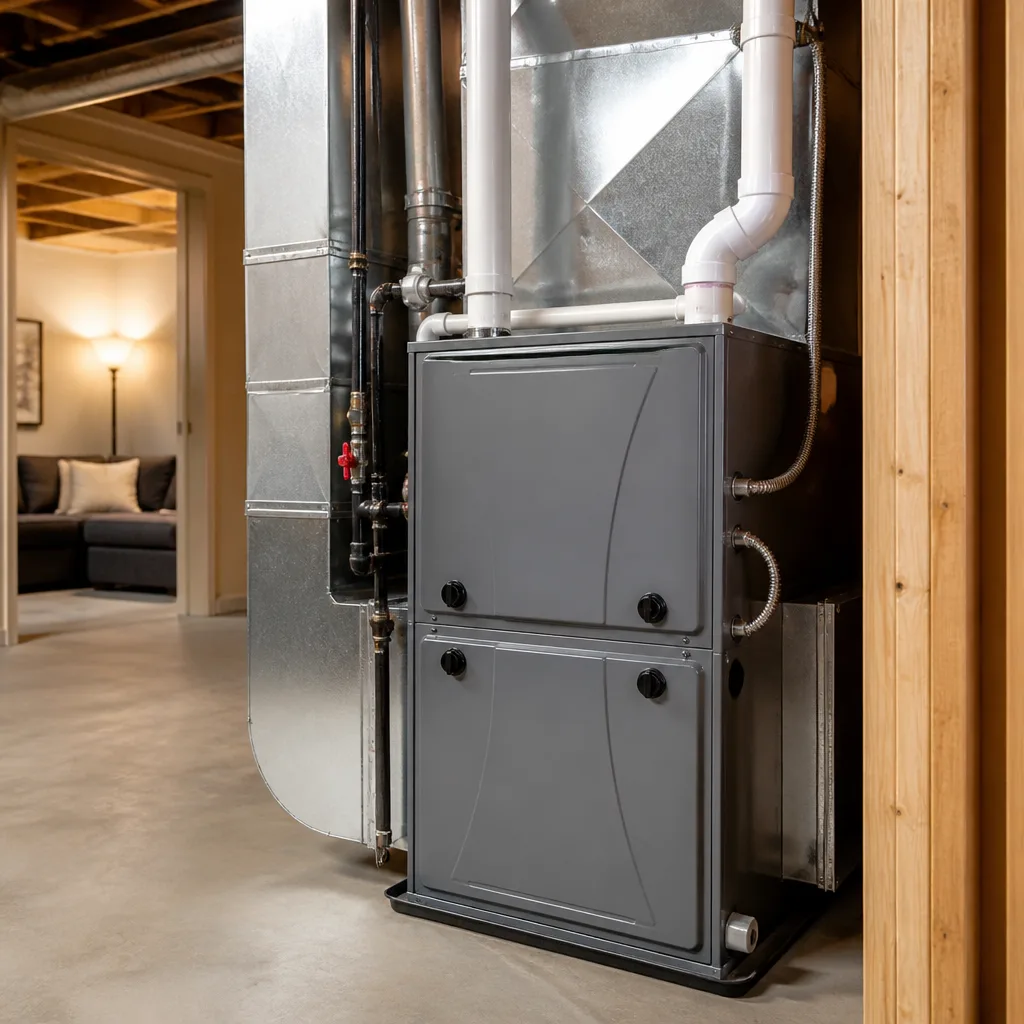 Furnace & heating
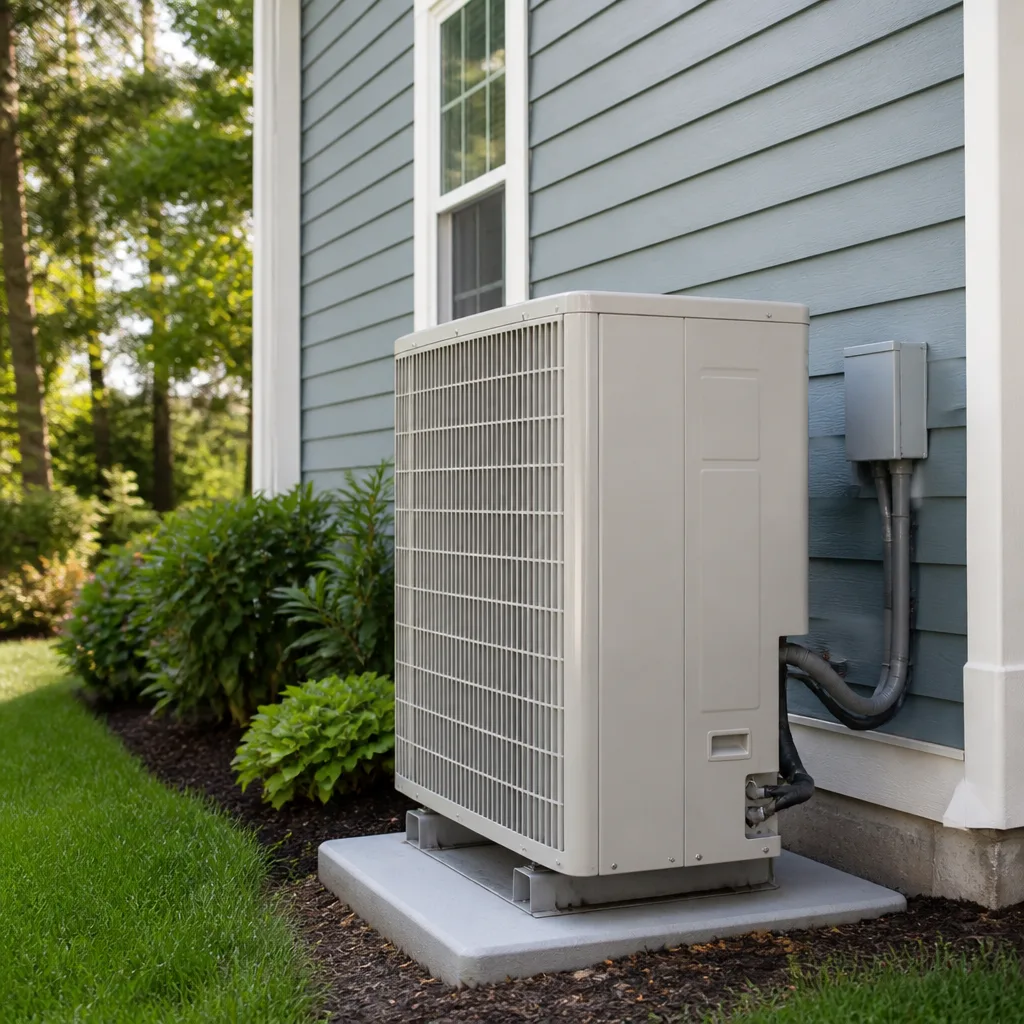 Heat pumps
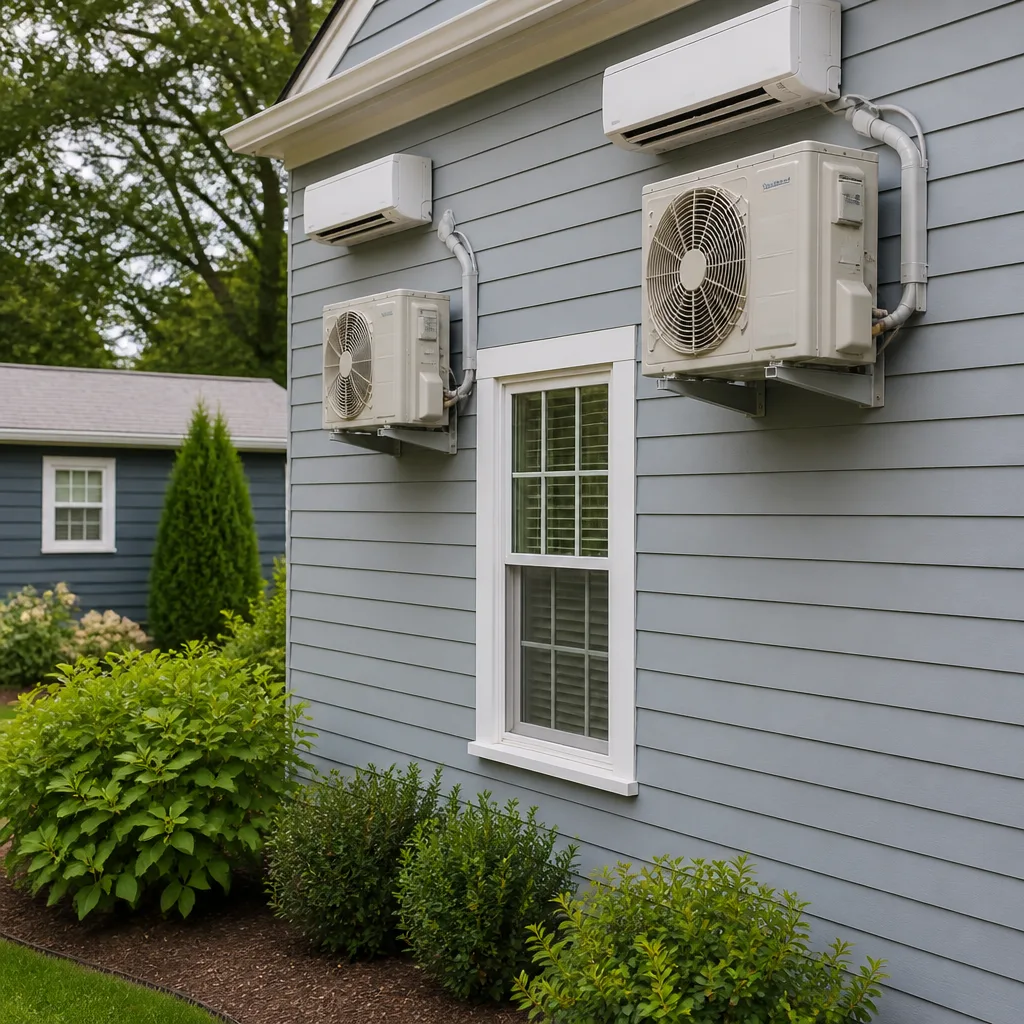 Ductless mini splits
 Carrier
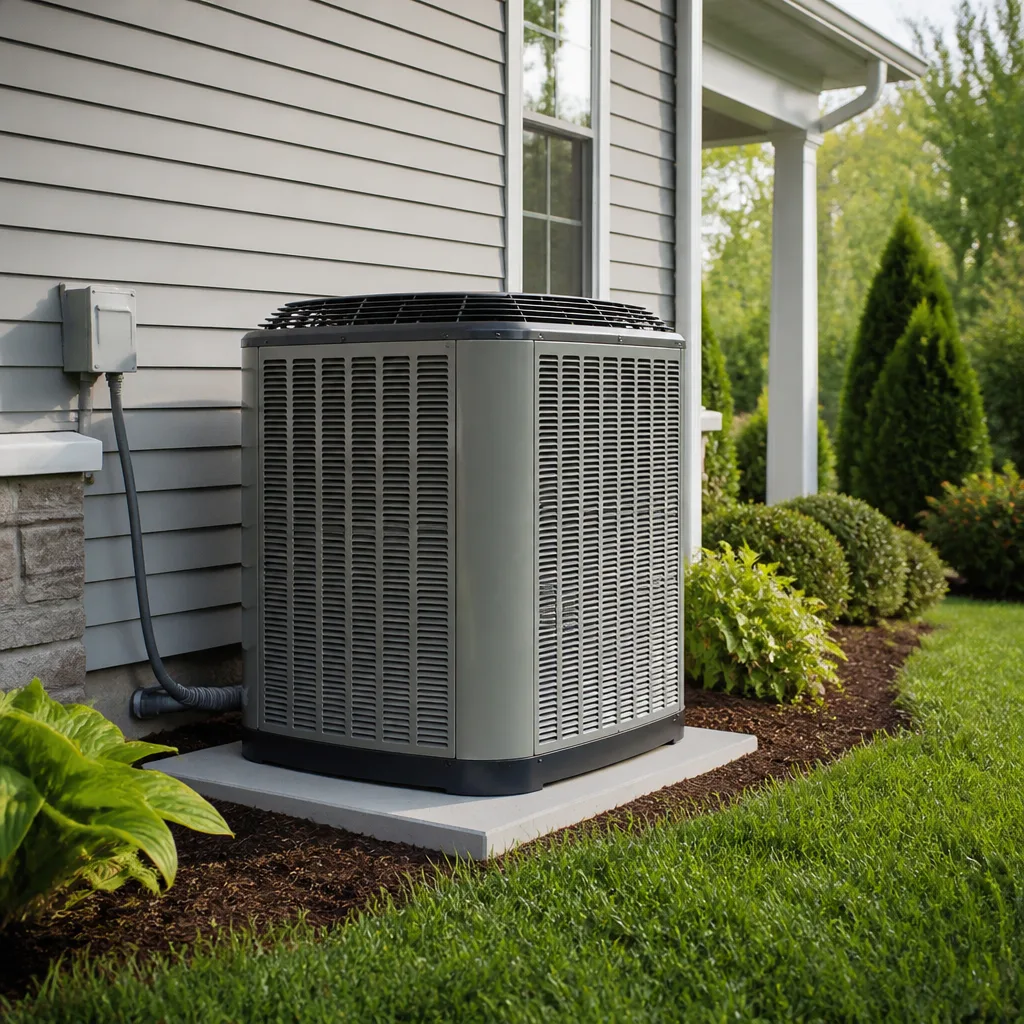 Trane
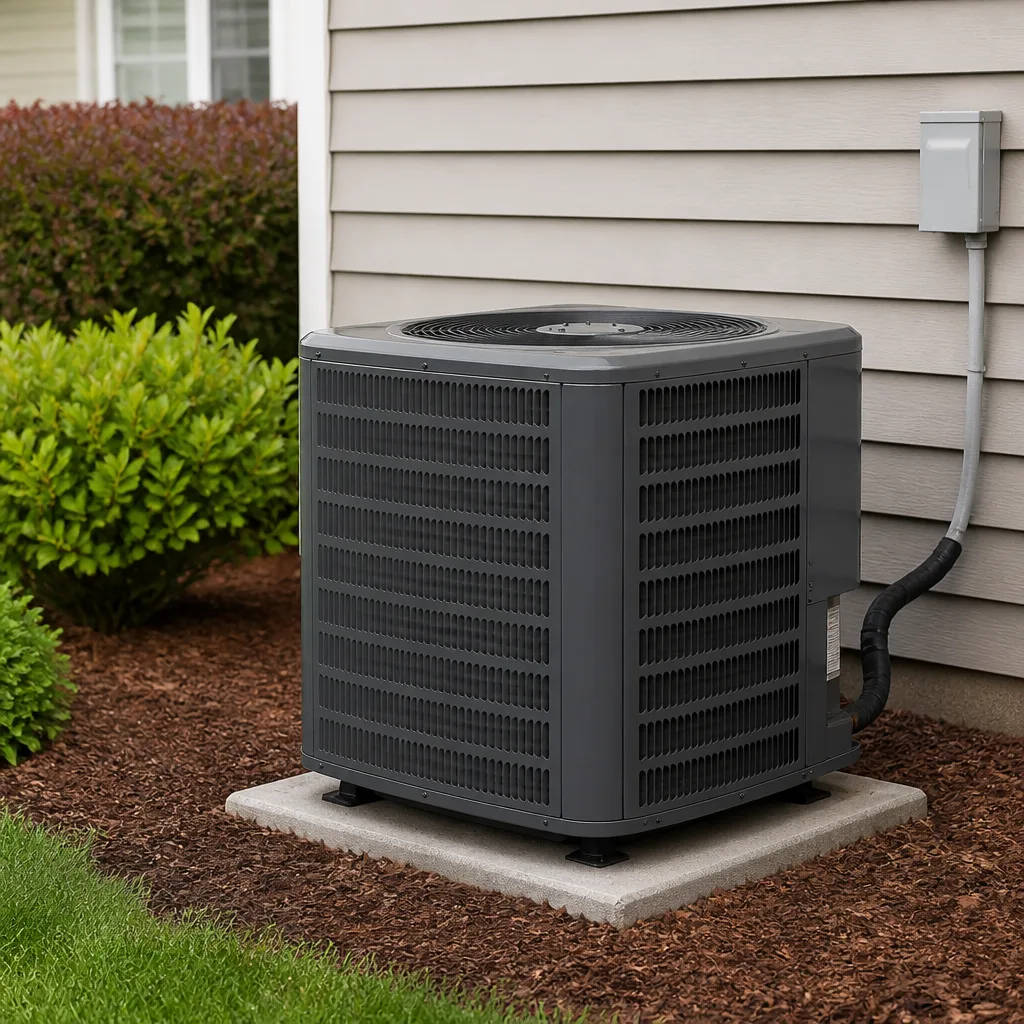 Goodman
Seasonal tune-up and full diagnostic on your Carrier, Trane, or Goodman system - readings shown to you before any repair is proposed
Diagnosis first, numbers second - you approve the repair price before a single part goes in.
Get your free estimateAC Repair Troubleshooting in Summerlin: Common Problems and How to Fix Them
Most AC troubleshooting advice treats every symptom the same way, and that’s the problem. In Summerlin, where a cooling system runs hard through a long desert summer, there are really only three AC problems a homeowner can safely fix before calling a technician: a clogged filter, a tripped breaker, and a thermostat that’s set wrong or stuck in the wrong mode. Confuse those three with the dozen other failures that look similar, and a straightforward repair can turn into a compressor or coil job that costs several times more. This guide draws that line clearly. You’ll learn what’s safe to touch, what you should never touch, how to read your indoor unit’s behavior during a Summerlin afternoon peak versus an early morning cycle, and the exact triage steps that shorten a technician’s diagnostic time.
Quick Answer
If your AC isn’t cooling in Summerlin, check three things first: the filter (replace if clogged), the breaker at your electrical panel (reset once if tripped), and the thermostat (confirm it’s on COOL, set below room temperature, and in the right mode). If those are fine and the system still blows warm air, runs constantly, or shows ice on the indoor coil or refrigerant lines, stop and call a technician. Frozen coils, refrigerant loss, and electrical faults inside the unit are not homeowner fixes, and in 115°F heat they get worse fast.
Styles & brands we work with
- AC installation
- Furnace & heating
- Heat pumps
- Ductless mini splits
- Carrier
- Trane
- Goodman
Table of Contents
- The Three AC Problems You Can Safely Fix Yourself
- Failures That Require a Technician (No Gray Zone)
- Reading Your Unit at Peak Load vs. Early Morning
- Why Coils Freeze in 115°F Heat
- Error Codes and LED Blink Patterns by Brand
- The 10-Minute Triage Checklist Before You Call
- Repair or Replace? How to Decide
- Common Mistakes to Avoid
The Three AC Problems You Can Safely Fix Yourself
These are the only three failures where homeowner action is genuinely safe and doesn’t risk making things worse. If your symptom falls outside this list, jump to the technician section below.
1. A Clogged or Dirty Air Filter
A restricted filter starves the system of airflow. The blower pulls harder, the evaporator coil runs colder than it should, and cooling output drops while the unit runs longer. In a dusty desert environment like Summerlin, filters load up faster than the manufacturer’s “every 90 days” guideline suggests. Check yours monthly during the cooling season and replace it when you can’t see light through it.
What to do: turn the system off at the thermostat, pull the filter, and match the size printed on the frame. Slide the new one in with the airflow arrow pointing toward the blower. That’s it. Never run the system without a filter, even briefly, because dust and debris will coat the coil and you’ll be paying for a coil cleaning sooner than you’d like.
2. A Tripped Breaker
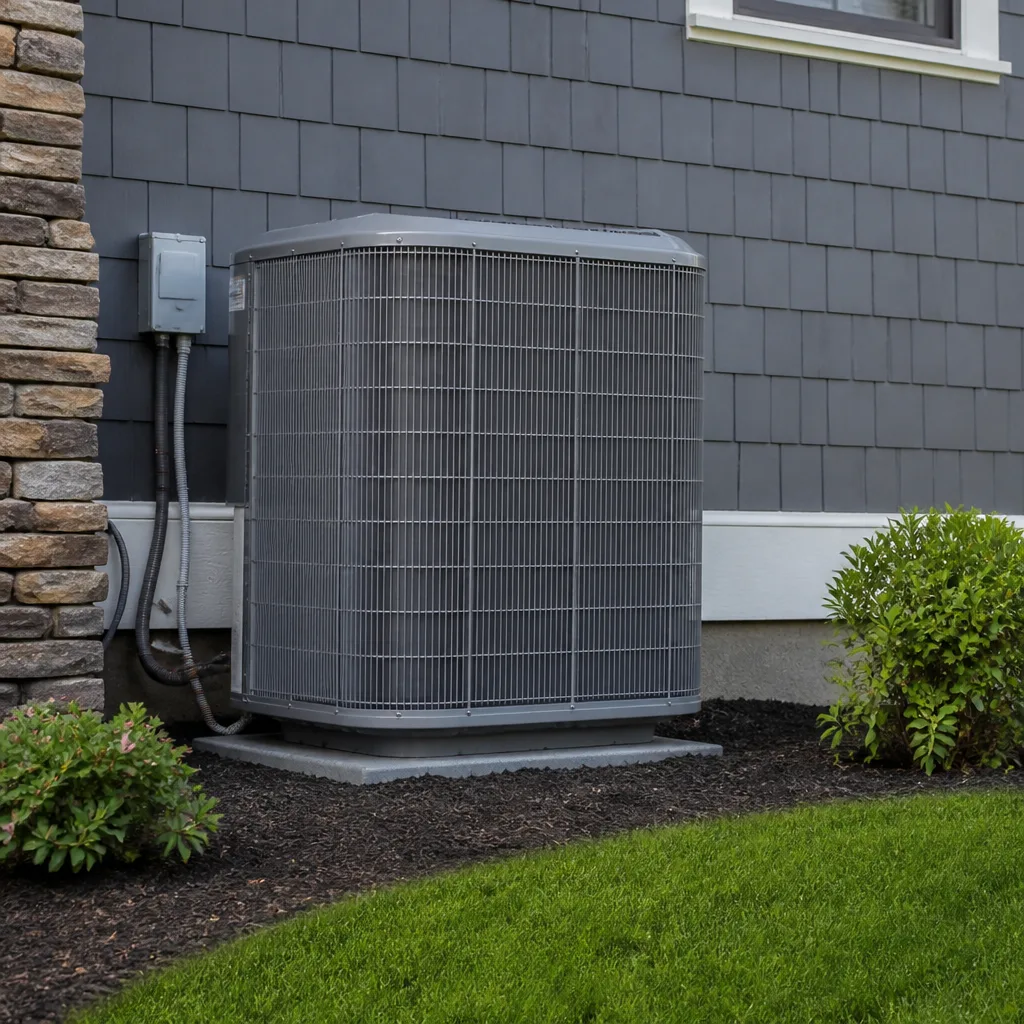
Central AC systems typically draw from a dedicated double-pole breaker at the main panel plus a disconnect box near the outdoor unit. If the indoor blower runs but the outdoor condenser is silent, a tripped breaker is a reasonable first check.
What to do: go to your electrical panel and look for a breaker that’s sitting in the middle position rather than fully ON or fully OFF. Reset it once. If it stays on and the system runs, you’re done. If it trips again immediately, stop. A breaker that won’t hold is telling you something inside the circuit is faulting, and repeated resets risk damage. Call a technician.
3. Thermostat Misconfiguration
It sounds too simple to mention, but in our experience it’s one of the most common “no cooling” calls and gets resolved in under a minute. The system may be set to HEAT by accident, the batteries may be dead, the schedule may be overriding your setpoint, or the thermostat may be in a hold or vacation mode. Fan set to ON instead of AUTO will also make the system feel like it’s running all the time without actually cooling.
What to do: verify COOL mode, set the temperature a few degrees below room temperature, switch the fan from ON to AUTO, and replace the batteries if the display looks dim. If you have a smart thermostat with a schedule, open the app and check that no override is active.
Failures That Require a Technician (No Gray Zone)
Everything below involves refrigerant, high-voltage components, or sealed systems. These are not homeowner fixes, and in Summerlin’s heat, waiting is costly. A small refrigerant leak that gets diagnosed within a day is one kind of job. The same leak running dry for a week can overheat the compressor and turn a modest repair into a replacement. That’s the real reason we draw the line so sharply.
- Warm air from vents with the system running normally. Usually low refrigerant charge or a failing compressor. Both require gauges, a meter, and training.
- Ice on the indoor coil, refrigerant lines, or outdoor unit. Yes, ice forms in desert heat. See the frozen coil section below for why.
- Loud grinding, screeching, or banging from the outdoor unit. Could be a failing fan motor bearing, contactor chatter, or a loose component. Shut it off at the thermostat and call.
- Burning smells or a hot electrical odor. Shut the system down and call. Do not reset the breaker.
- A breaker that trips repeatedly. Electrical fault inside the unit or circuit.
- Water pooling around the indoor unit. A clogged condensate drain line, a failing drain pan, or an iced coil. The drain line itself is simple, but the cause is often downstream.
- Compressor short-cycling (runs for seconds, shuts off, repeats). A protective lockout is engaging. Repeated restarts damage the compressor.
- Error codes or LED blink patterns on the control board or thermostat. Read them, note them, and share them with the technician.
Reading Your Unit at Peak Load vs. Early Morning
Here’s a diagnostic habit that separates “my AC is broken” from “my AC can’t keep up.” Watch the same system under two different conditions and the pattern tells you a lot about the cause.
Peak Load (Summerlin Afternoon)
On a summer afternoon when outdoor temperatures push toward 115°F, a healthy system should hold the thermostat setpoint, though it will run nearly continuously near the setpoint. If yours drops 4 to 6 degrees below setpoint and never recovers, that’s a capacity or charge issue. If it maintains the setpoint but can’t pull the house down after you raise the setting, that’s often a sign the system is working near its designed limit. That’s normal in desert heat and isn’t a malfunction.
Early Morning
Early morning is the test that separates refrigerant loss from short-cycling. A system with low charge will still struggle to reach setpoint in cooler morning temperatures. A system with an oversized unit will typically cool the house quickly, shut off, and then start right back up within a couple of minutes, because it hits setpoint in a short burst. If the unit cycles on and off every few minutes even at 7am, that’s short-cycling and worth investigating. If it runs steadily and still can’t hit setpoint, that’s more consistent with low refrigerant or restricted airflow.
What the Pattern Means
- Struggles at peak, fine at dawn: Working near its limit. Could be capacity, insulation, or gradual degradation.
- Struggles at both: Suspect low refrigerant, restricted airflow, or failing components.
- Short bursts of cooling, frequent restarts: Suspect short-cycling (oversized unit, faulty thermostat, or a low-pressure safety).
- Runs continuously, no cooling at either time: Stop and call. Likely a refrigerant or compressor issue.
Why Coils Freeze in 115°F Heat
Ice on your indoor coil during a 115°F Summerlin afternoon is not a paradox. It’s thermodynamics: the part of the system that gets cold is the evaporator coil, and it gets cold regardless of how hot the air around the house is. Here’s the actual sequence that causes it.
- Airflow across the evaporator coil drops, usually because of a clogged filter, a failing blower, a dirty coil, or closed supply registers.
- With less warm air flowing across the coil, the coil’s surface temperature drops well below the freezing point of the moisture in the air.
- Condensation on the coil freezes into a layer of ice. That layer further blocks airflow, which makes the coil even colder, which makes more ice.
- The iced coil stops absorbing heat, but the compressor keeps running. The system stops cooling the house and pushes more stress onto the compressor.
- Eventually refrigerant pressure drops low enough to trip a safety, or the compressor begins to overheat.
Refrigerant undercharge causes the same result through a different path. Low pressure means a colder coil, and the same freeze follows.
The One Thing You Must NOT Do When You See Ice
Do not chip, pry, or scrape the ice off the coil or refrigerant lines. You’ll puncture the coil, and a punctured coil is a major repair. Also don’t keep running the system in the hope that it thaws. Turn the thermostat to OFF, leave the fan on if your thermostat allows fan-only operation, and let the ice melt on its own. Then call for service. The frozen coil is a symptom; the fix is finding out why the airflow or charge failed.
Error Codes and LED Blink Patterns by Brand
Modern units store diagnostic codes. Reading them before you call shortens the trip because the technician arrives knowing the fault family. The exact code list differs by model, so check the access panel sticker or your owner’s manual for the full mapping. Here are the common patterns we see most often in Summerlin homes.
Trane
Control boards on Trane systems typically flash a status LED a number of times, pause, then repeat the pattern. A steady, non-blinking light during a call for cooling usually means the control is calling for operation with no stored fault. Series of flashes map to pressure switch trips, flame rollout, or a limit switch (on hybrid heating systems). On the cooling side, high-pressure or low-pressure lockouts are the ones that matter most.
Lennox
Lennox uses a similar flash-code system plus a smaller set of status LEDs on the thermostat or board. The most common cooling-side faults are pressure switch and high-limit lockouts, both of which will lock the system out for a delay before restoring. Note the count of flashes and whether the system retries before you call.
Rheem and Goodman
Rheem and Goodman boards typically flash a two-digit code pattern (a first burst, a pause, then a second burst). Common cooling codes point to high-pressure, low-pressure, or sensor faults. Goodman units sometimes use a single diagnostic LED with specific flash counts.
Carrier and Bryant
Carrier and Bryant boards frequently show a status LED as well as a short code on the thermostat display. High-pressure lockout, low-pressure lockout, and out-of-range sensor readings are the most common in a hot climate.
What to Do With a Code
- Write down the exact pattern: number of flashes, the pause, then the second burst.
- Note whether the system retries automatically or stays locked out.
- Photograph the code on the thermostat if yours has a display.
- Have that info ready when you call. It genuinely cuts diagnostic time.
Remember that codes tell you where the system’s controls noticed a problem, not always what caused it. A low-pressure code can come from a leak, a restriction, or a failed sensor. Diagnosis needs gauges and a meter, not just the code.
The 10-Minute Triage Checklist Before You Call
Run this before you pick up the phone. Every box you tick saves your technician time, and by extension saves you money on the diagnostic. In Summerlin homes this list typically accounts for five to ten minutes of a service visit.
- Check the filter. Hold it up to a light. If you can’t see light through it, replace it.
- Check the thermostat. Confirm COOL, setpoint below room temperature, fan on AUTO, no schedule or hold overriding your setting, batteries fresh.
- Check the breaker. Both the main panel breaker and the outdoor disconnect. Note whether either is tripped.
- Listen at the outdoor unit. Is the condenser fan spinning? Is the compressor humming? Is there an abnormal noise? Note it.
- Feel the air at a supply vent. Cold, cool, or room temperature? How strong is the airflow?
- Look for ice. Indoor coil, refrigerant lines at the indoor unit, or the outdoor unit itself.
- Look for water. Around the indoor unit, at the condensate drain, or on the ceiling below the air handler.
- Check the outdoor unit for blockage. Leaves, debris, or a fence panel blocking airflow within a foot or two of the condenser.
- Note the timing pattern. Runs continuously? Short-cycles at dawn? Struggles only at peak?
- Record any error codes. Use the brand section above to interpret.
Having all of this on hand when you call will get you a more accurate first-pass diagnosis and may let us preload the right parts or the right specialist. Call (833) 317-1621 when you’re ready. We answer 24/7. Fast dispatch from 7am to 7pm, Sunday through Friday.
Repair or Replace? How to Decide
The repair-or-replace question comes up in almost every Summerlin diagnostic visit we run. There’s no single formula, but the decision usually comes down to three factors.
1. The Age of the Equipment Relative to Expected Life
Air conditioners are built to last a certain number of years depending on the model, the climate, and how well they’ve been maintained. In a hot desert climate, systems run more hours per year than they do in milder markets, and that shortens the practical life. If your unit is well into the back half of its expected life and the current repair involves a major component, replacement becomes worth considering.
2. The Cost of the Repair Relative to the Cost of a New System
If a single repair is a large fraction of what a new system costs, and the current system is older, putting money into that repair often doesn’t make sense. If the repair is modest and the rest of the system is healthy, repair is almost always the right call. Our technicians diagnose first and recommend second; they’re not paid on what they sell. That means the recommendation you get is tied to your system’s condition and your budget, not to pushing a particular brand or a new install.
3. The Pattern of Failures
One failure in three years is different from three failures in one year. A system that keeps returning to the same problem or keeps finding new ones is telling you something. A system that runs clean between annual maintenance visits is probably worth keeping.
What Replacement Involves
A proper replacement starts with a load calculation so the new unit is sized for the house, not just matched to the old one. It’s a scheduled job, not a today job. We’ll write a fixed price, set a firm install date, and handle any rebate or financing paperwork for whatever’s applicable. That’s the difference between AC installation done on a schedule and a same-day swap that skips the sizing step.
Common Mistakes to Avoid
- Chipping ice off a frozen coil. The coil is soft copper or aluminum and punctures easily. Melt it, don’t break it.
- Resetting a breaker more than once. A second trip is a signal, not an inconvenience. Repeated resets risk a fire and can destroy the compressor.
- Topping off refrigerant without a leak search. Adding refrigerant into a leaking system is a temporary patch that keeps the leak growing. A proper repair finds and fixes the leak first.
- Running the system with a damaged or missing filter. Dust migrates straight to the coil, and that coil cleaning isn’t cheap.
- Buying the cheapest filter on the rack and forgetting about it. In Summerlin dust, cheap filters load up fast and cut airflow enough to cause the coil to ice. Replace often, not rarely.
- Upgrading to a bigger unit without a load calculation. An oversized system cools in short bursts, never dehumidifies properly, and short-cycles its way into early failure.
- Skipping annual maintenance after a repair. The repair fixes the symptom; maintenance is what keeps the next one from showing up six weeks into summer.
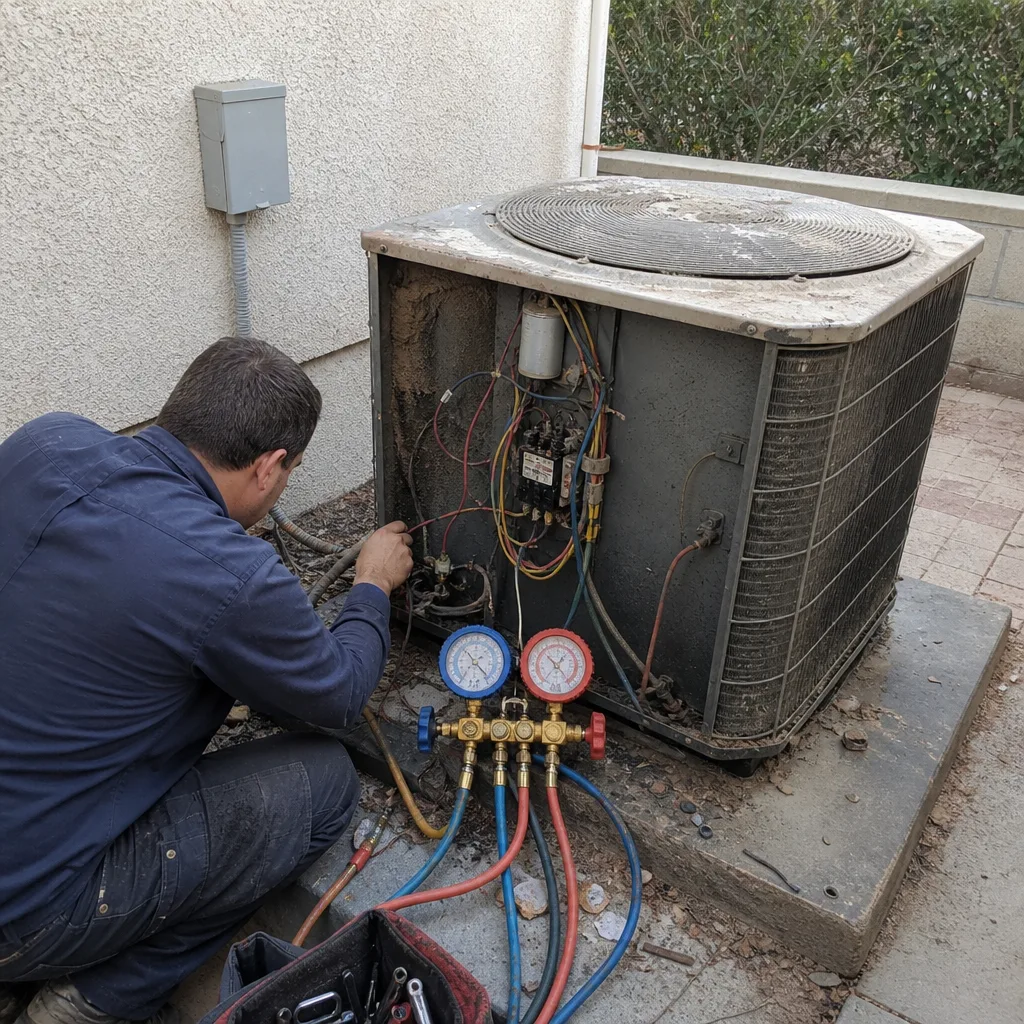
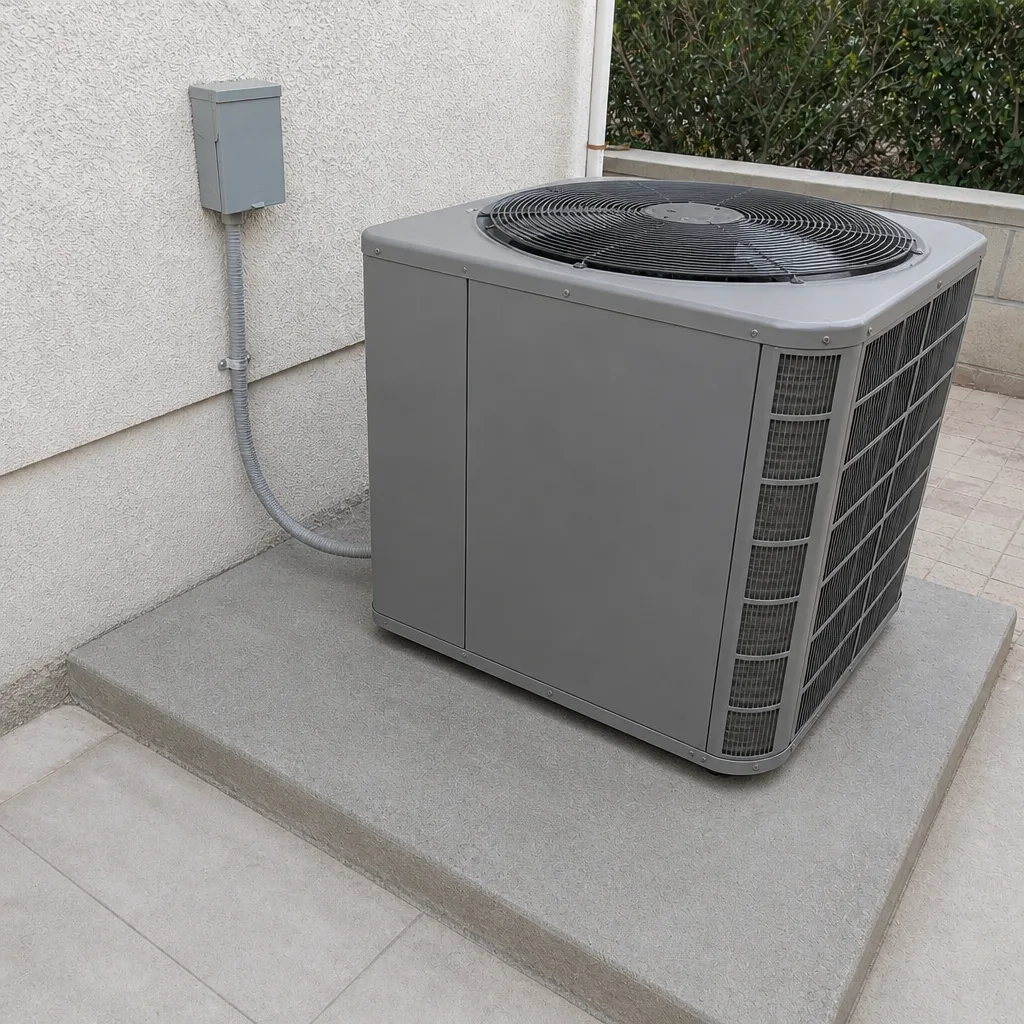
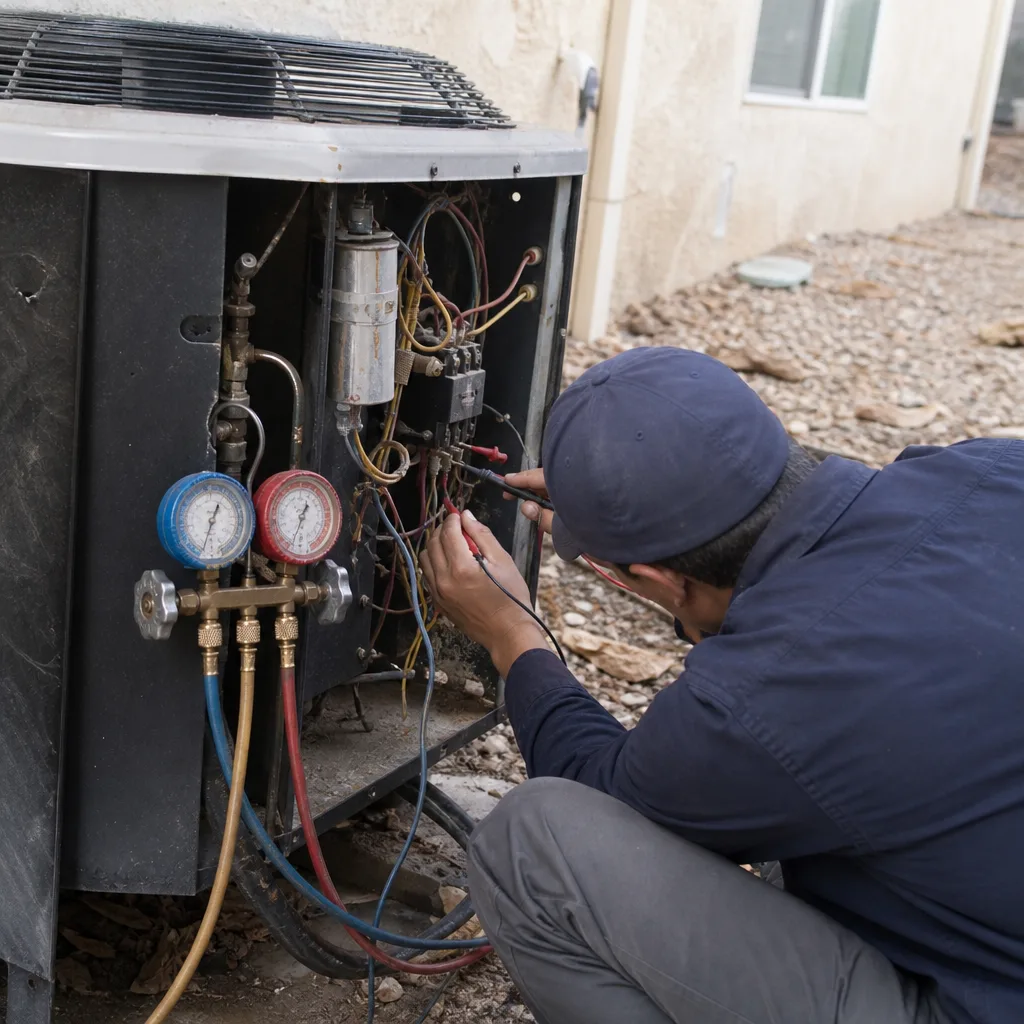
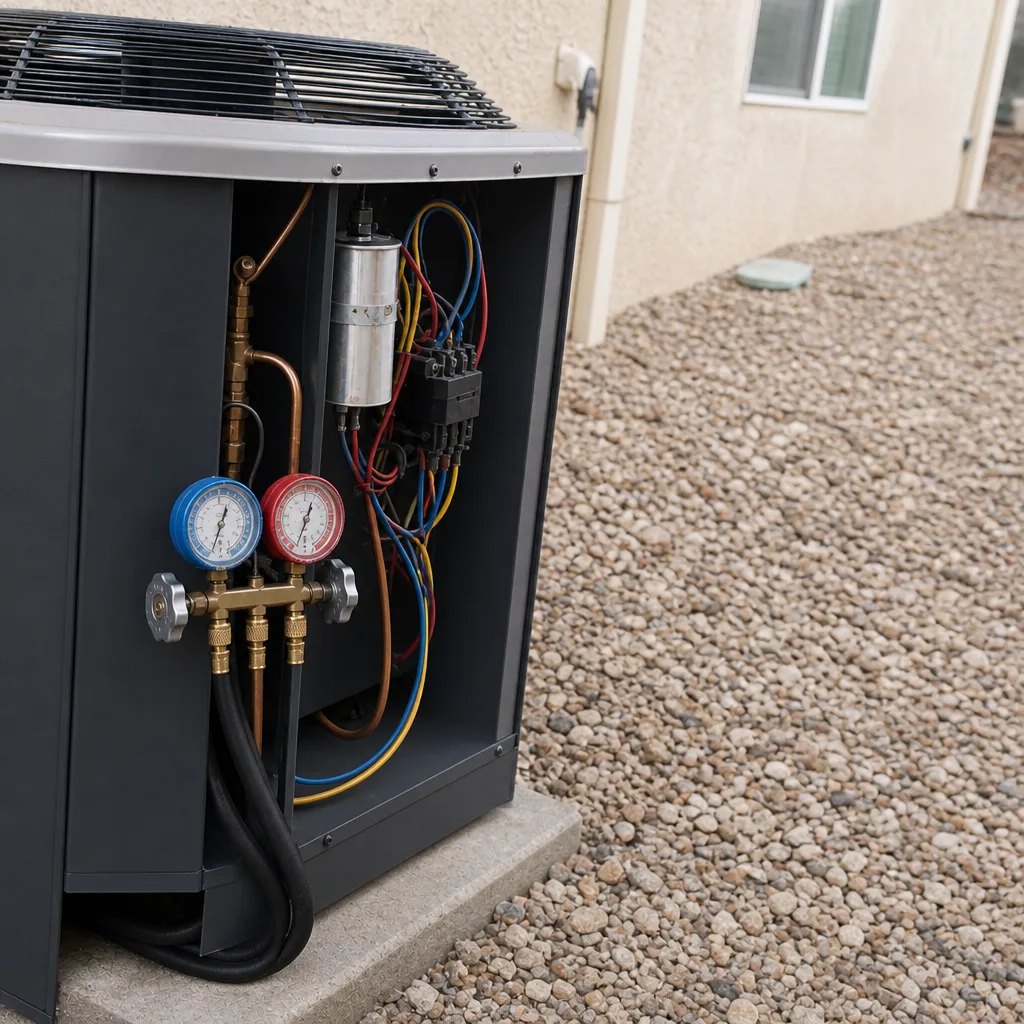
See the difference
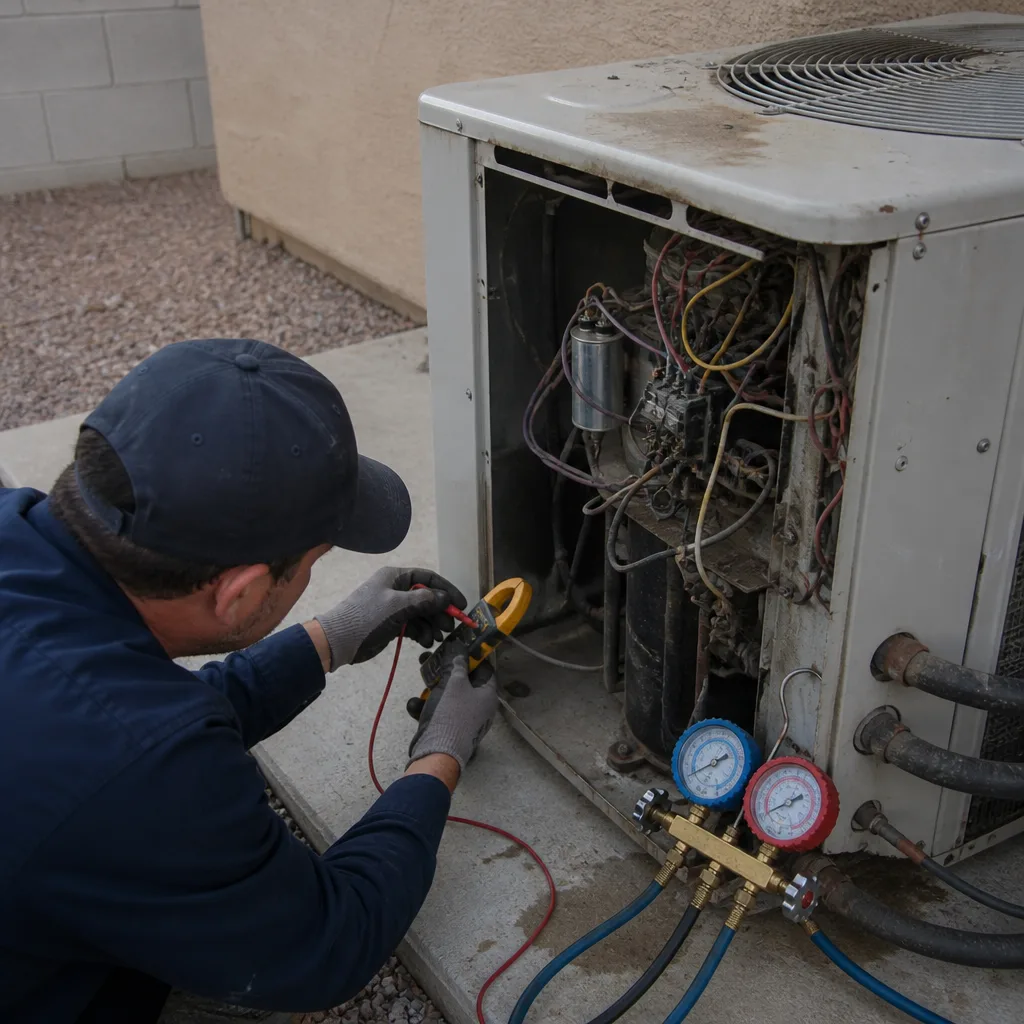 Before
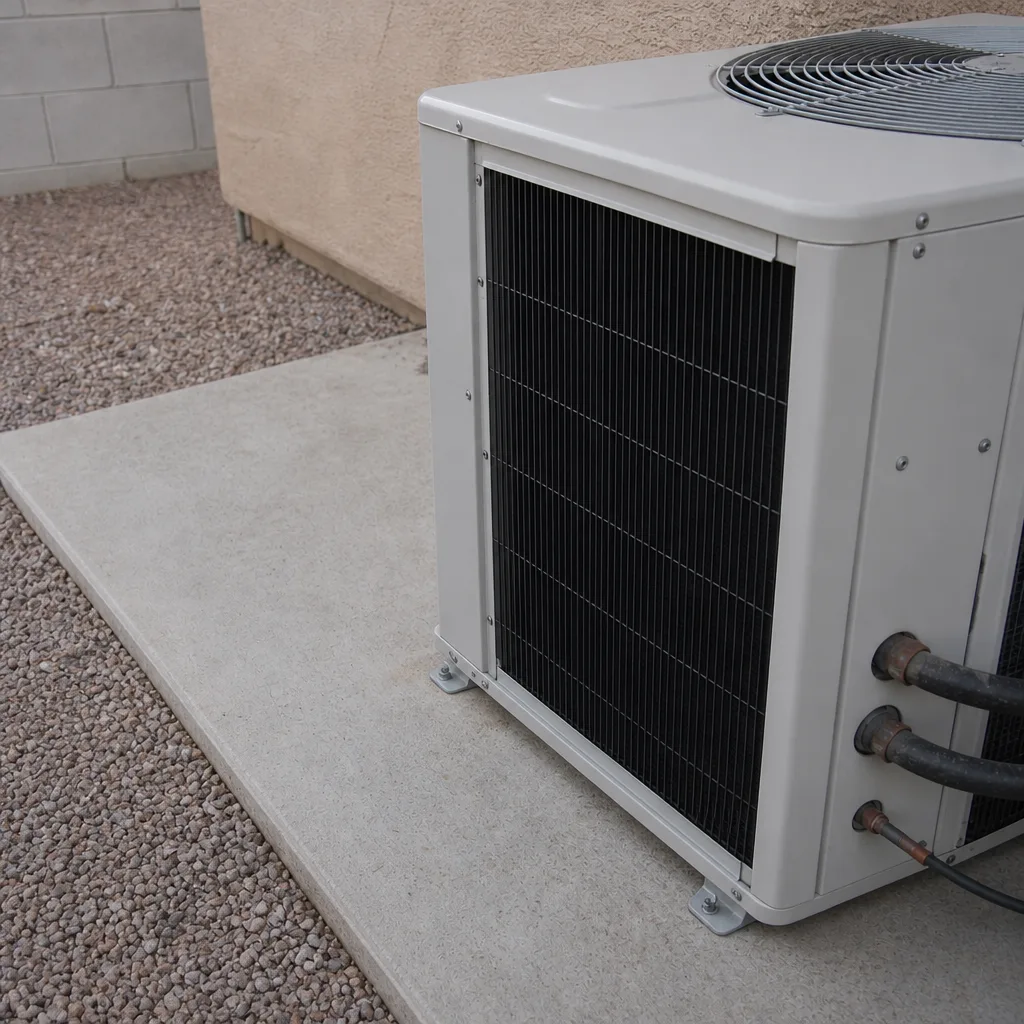 After
 Before
 After
 Before
 After
When to Call a Professional
Call a professional the moment you see ice on any part of the system, smell burning from the indoor or outdoor unit, notice water pooling around the air handler, or have a breaker that trips more than once. Also call if the system runs but blows warm air, if the compressor short-cycles, or if the thermostat is calling for cooling and the outdoor unit is silent with no apparent power fault. In Summerlin’s heat, waiting even a day can turn a modest repair into a major one. Our technicians have up to 12 years of experience and work on nine major brands, including Lennox, Goodman, Rheem, and York, so you’re not going to hit a “we don’t work on that brand” dead end. AC Repair Summerlin offers free estimates in Summerlin. Call (833) 317-1621.
Frequently Asked Questions
The most common causes are low refrigerant charge, a failing compressor, or an airflow restriction that’s iced the coil. Check the filter and thermostat mode first. If those are fine and the air is still warm, call a technician; the fix involves gauges and a proper diagnosis. Call (833) 317-1621 for an exact quote. Estimates are free.
Running nearly continuously during peak summer afternoons is normal for a healthy system in desert heat because the outdoor temperature sits close to the equipment’s designed capacity. What’s not normal is the house failing to reach setpoint, or the system short-cycling in cooler morning temperatures. If you’re seeing either of those, schedule a diagnostic.
Ice on the evaporator coil or refrigerant lines means the coil is running below freezing, which is almost always caused by an airflow restriction or low refrigerant charge. Turn the system off, let the ice melt, and call a technician. Do not chip the ice off. Call (833) 317-1621 for an exact quote. Estimates are free.
No. Refrigerant handling requires a license and the right equipment, and more importantly, adding refrigerant to a leaking system is a temporary patch that never addresses the actual problem. A proper repair finds and fixes the leak first, then recharges the system.
Once a year, ideally before the cooling season starts, is the standard recommendation. In Summerlin’s dusty environment, filters need attention more often than that, sometimes monthly during peak season. Annual maintenance is what keeps a system from failing in July.
We service Carrier, Trane, Lennox, Goodman, Rheem, York, Daikin, Bryant, and American Standard. If your unit is one of those, you’re covered. Call (833) 317-1621 with the model number if you want to confirm before scheduling.
The Bottom Line
The line between a safe homeowner fix and a technician call is sharper than most AC guides admit. Clogged filters, a tripped breaker, and a misconfigured thermostat are yours to handle. Ice, warm air, short-cycling, and electrical faults are not. In Summerlin, the cost of guessing wrong on the technician side is real: a leaking system running dry can overheat the compressor, and a breaker that keeps tripping can start a fire. Read the codes, run the ten-minute triage, and call with specifics. That’s the fastest path back to a cool house. If you’re not sure which side of the line your problem is on, that’s a call, not a guess. Call (833) 317-1621. We answer 24/7. Fast dispatch from 7am to 7pm, Sunday through Friday. Estimate is free, the price is set per job by the written estimate, and we work on your brand.
Written by the team at AC Repair Summerlin.