
Last updated November 18, 2026
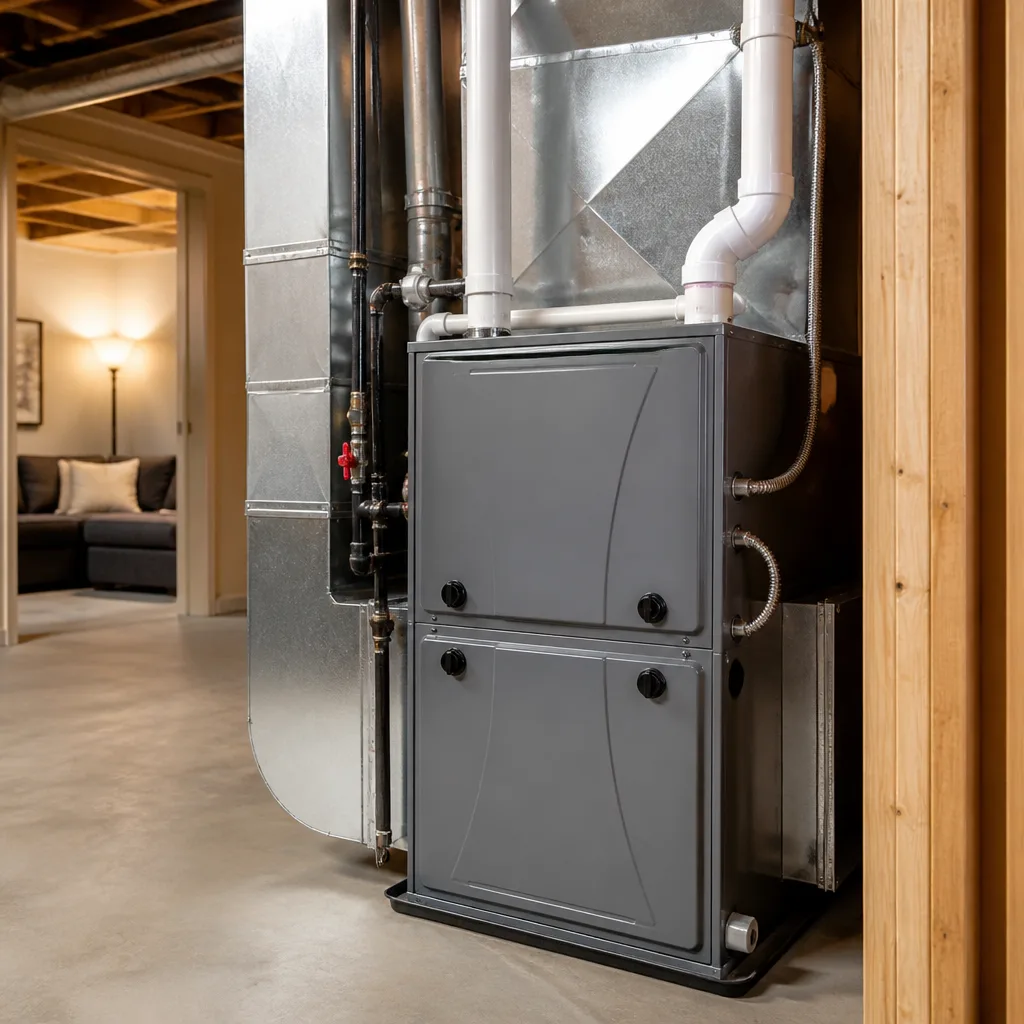 Furnace & heating
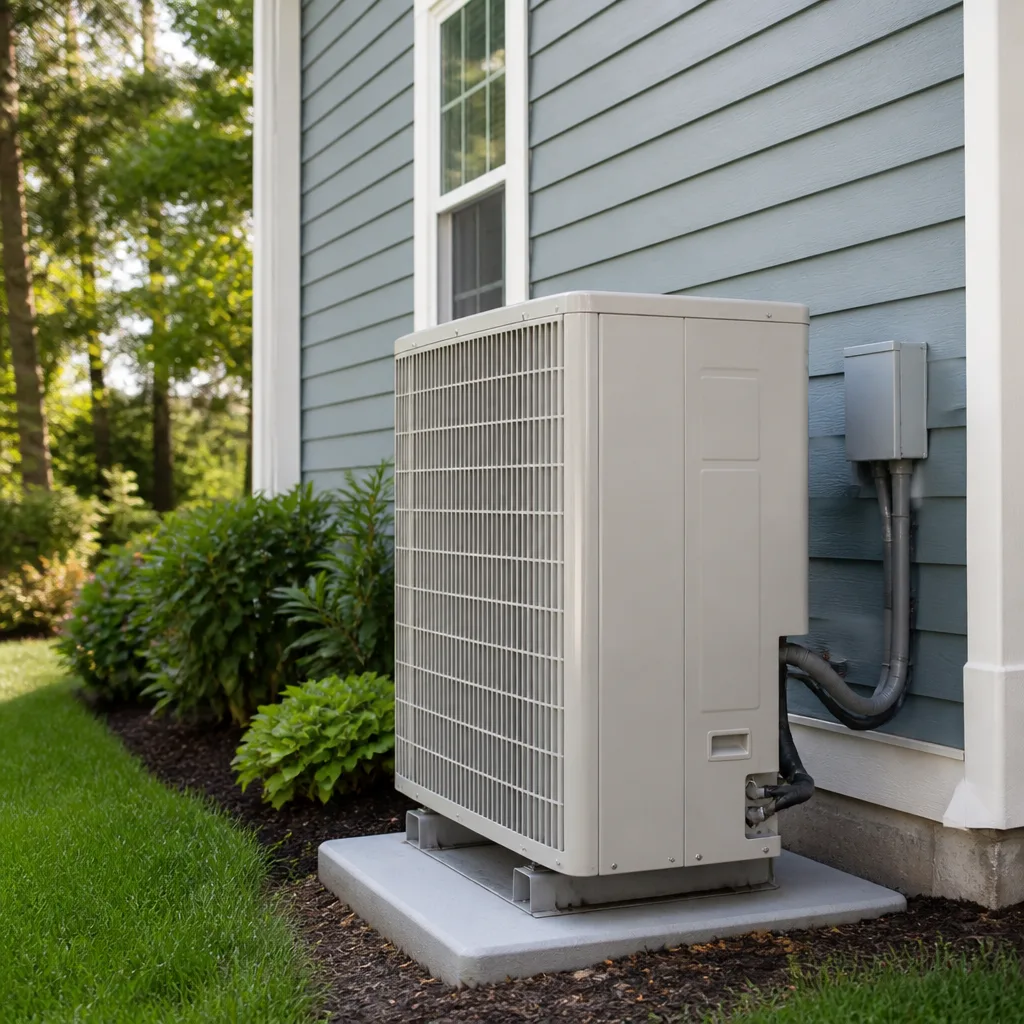 Heat pumps
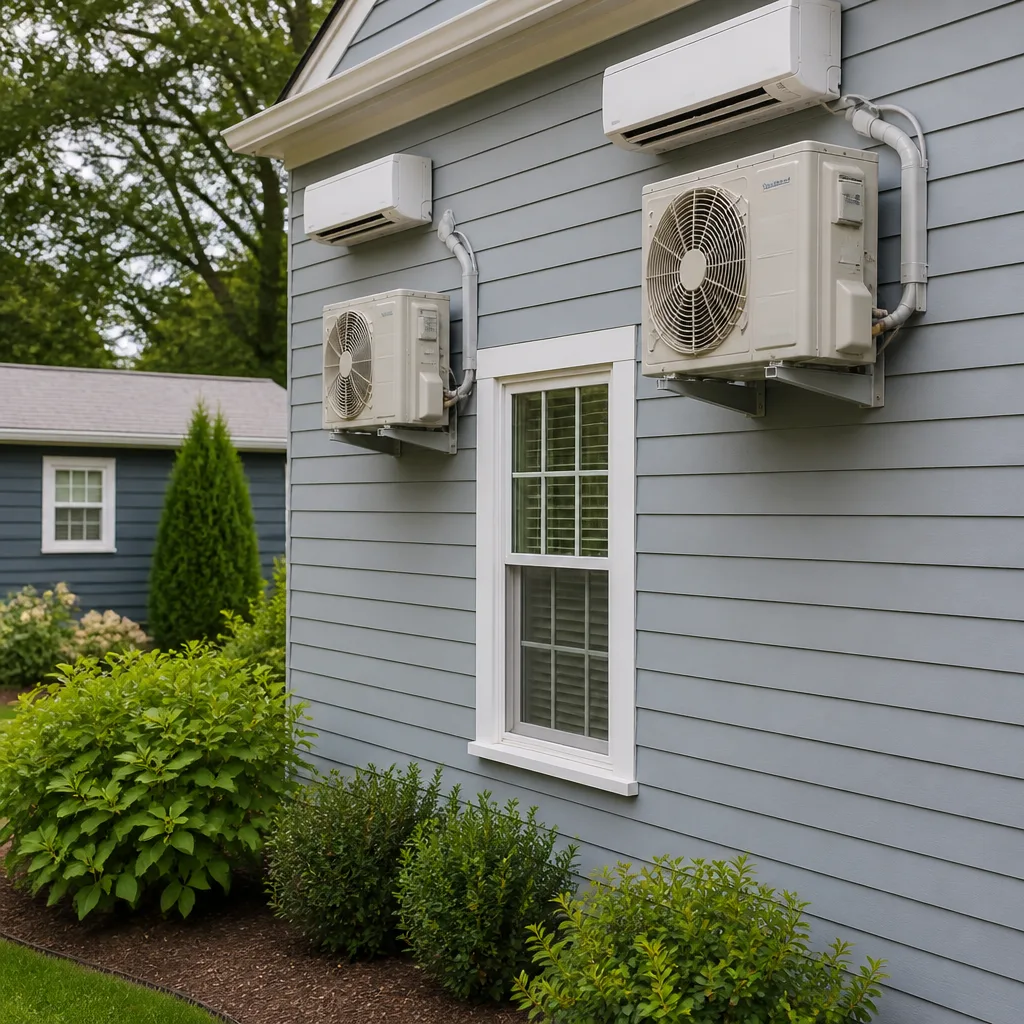 Ductless mini splits
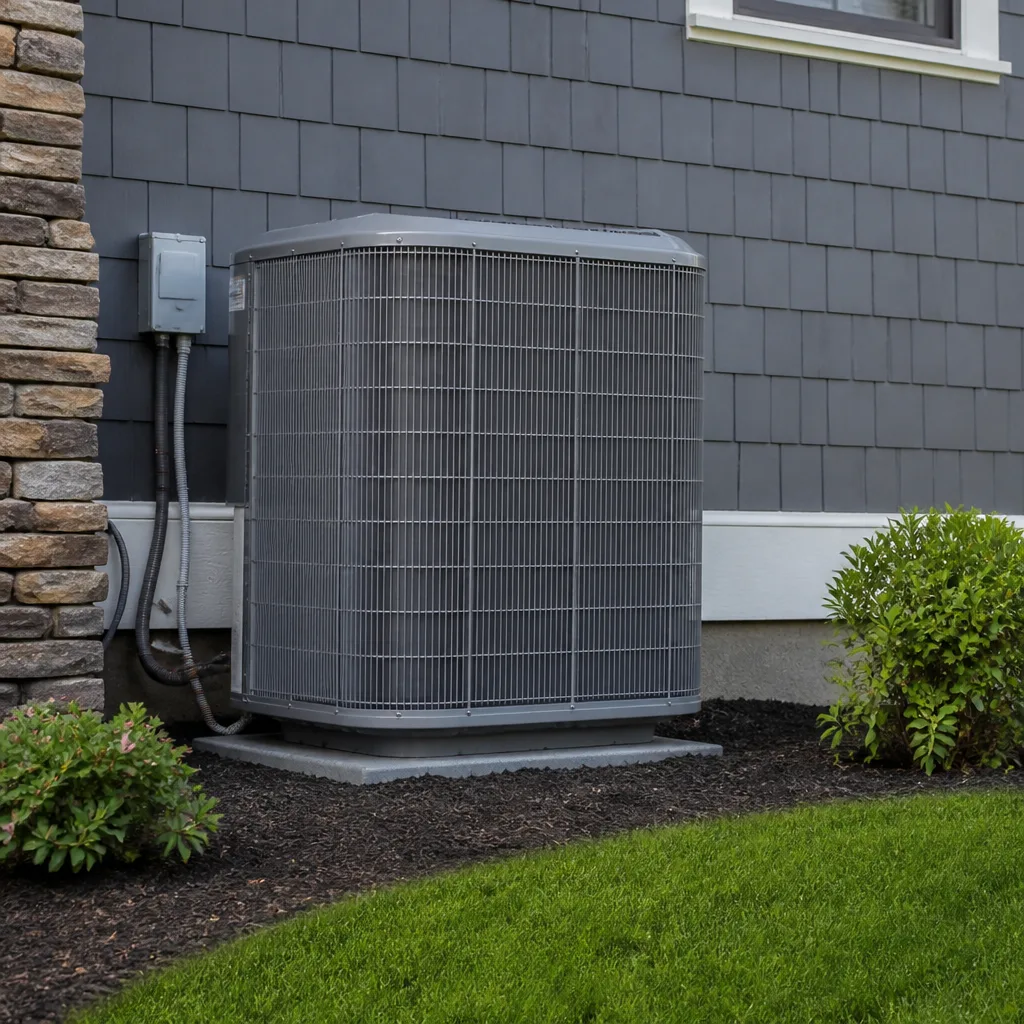 Carrier
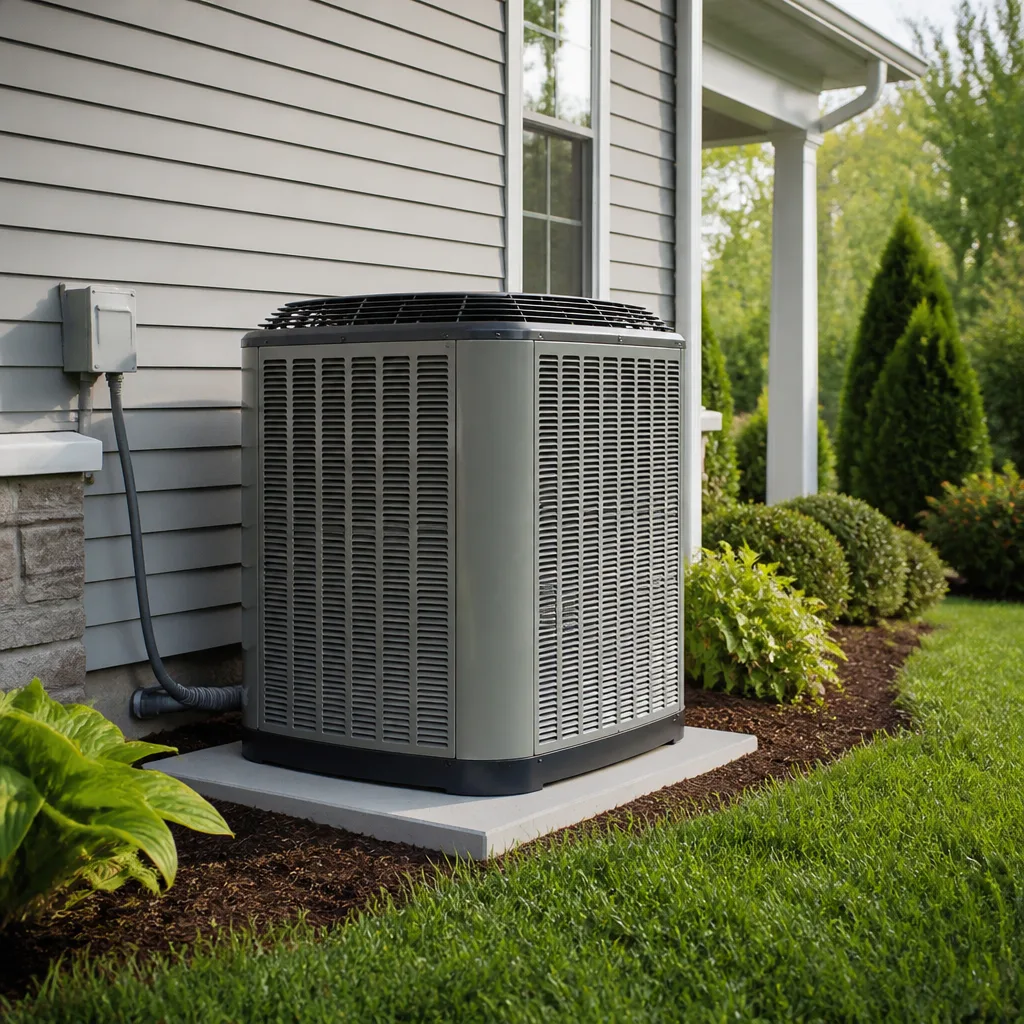 Trane
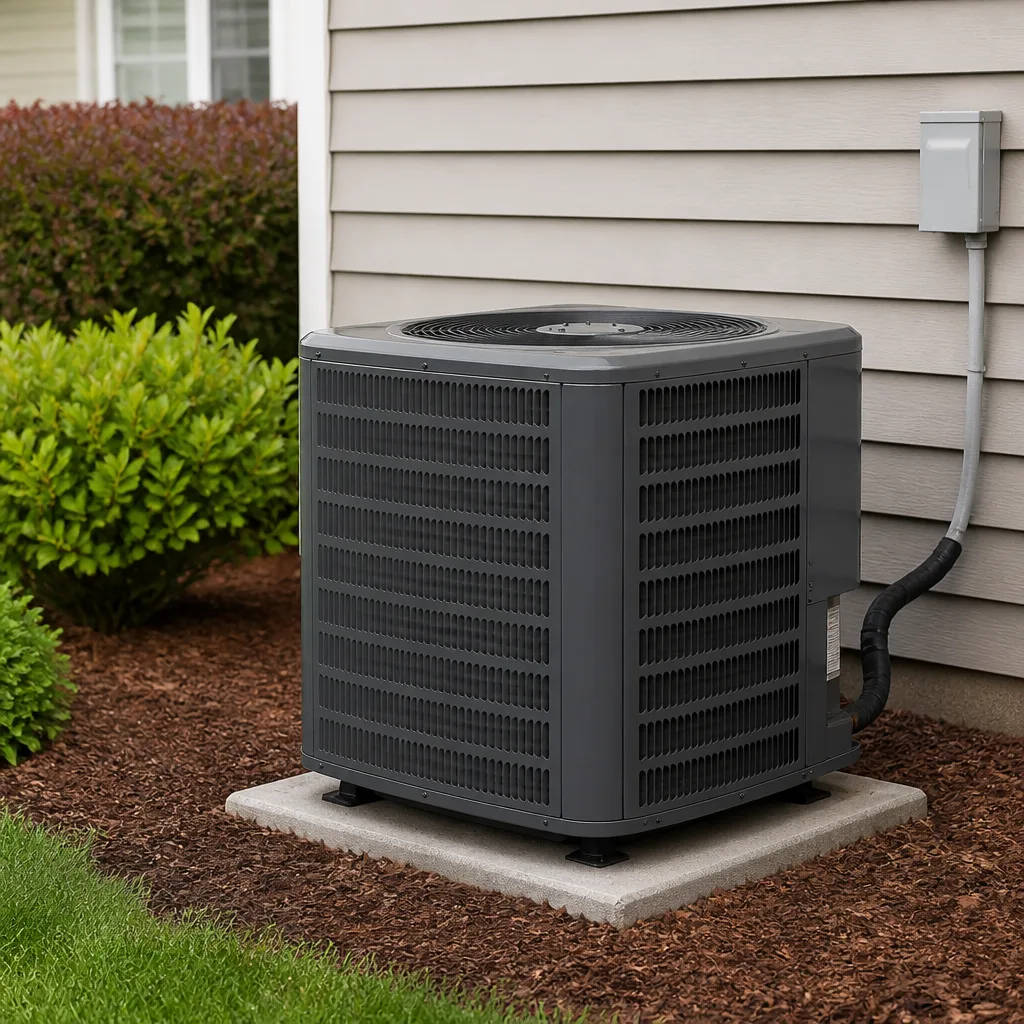 Goodman
Seasonal tune-up and full diagnostic on your Carrier, Trane, or Goodman system - readings shown to you before any repair is proposed
Diagnosis first, numbers second - you approve the repair price before a single part goes in.
Get your free estimateHVAC Permits, Codes & Inspections in Summerlin, NV: What You Need to Know
Most homeowners assume the permit is the contractor’s problem. Then the house goes on the market, the buyer’s inspector asks for the mechanical permit record, and the answer comes back that no permit was ever pulled for the condenser sitting in the side yard. A permitted HVAC replacement in Clark County requires more than one inspection, and the first one can fail on details nobody explained at the time of sale. In Summerlin, where a large share of the housing stock was built during the valley’s big build-out decades, that gap between what was installed and what was recorded is more common than you’d think. This guide covers which jobs need a permit, which energy code governs new equipment, how to check your own address, and how the inspection process actually runs.
Quick Answer
Replacing or installing an air conditioning system in Summerlin requires a Clark County mechanical permit and at least two inspections, while a straight repair that keeps the existing equipment generally does not. The work must also meet the energy code cycle Nevada has adopted and, if you’re in an HOA community, satisfy separate architectural approval rules. The written estimate and the permit record are the two documents that protect you at resale.
Styles & brands we work with
- AC installation
- Furnace & heating
- Heat pumps
- Ductless mini splits
- Carrier
- Trane
- Goodman
Table of Contents
- Which HVAC jobs need a permit and which don’t
- The energy code that governs new equipment in Summerlin
- How the Clark County inspection process works, step by step
- How to pull a permit record for your address
- What a failed mechanical inspection looks like and who fixes it
- HOA approval runs parallel to the county permit
- Why Summerlin’s climate makes the details matter
- The final walkthrough before you pay
Which HVAC jobs need a permit and which don’t?
A like-for-like repair does not need a mechanical permit; a replacement, a new install, or any change to the system’s configuration usually does. That’s the short version, and it holds through most of Summerlin. The line between the two is where homeowners get surprised.
The rule of thumb we apply: if the work touches refrigerant circuits, electrical connections, the air distribution system, or swaps out a major component such as the condenser or air handler, treat it as permitted work. A mechanical permit is the county’s record that a licensed contractor performed that work to code.
Jobs that typically require a permit:
- Replacing an outdoor condenser or heat pump, even when the new unit is the same size
- Replacing or relocating an air handler or furnace section
- Installing a new duct system, or making substantial changes to an existing one
- Adding a mini-split or a second zone to a house that had one
- Any work that changes the electrical circuit serving the equipment
Jobs that typically qualify as repair without a permit:
- Replacing a failed capacitor, contactor, relay, or blower motor
- Recharging refrigerant after locating and fixing a leak
- Clearing a blocked condensate drain
- Replacing a thermostat with a compatible model
- Cleaning coils and performing a tune-up
Nevada statute and county code both use terms like “repair” and “alteration,” and the practical boundary between them is a judgment call. When it’s close, the permit is the safer side of the line. The county can’t verify the work was done correctly retroactively, and an unpermitted replacement discovered by a buyer can stall a closing while everyone scrambles for records. Our approach on AC installation is straightforward: if the job crosses into replacement, we pull the permit and build that into the written estimate so you know the total up front.
What energy code governs new HVAC equipment in Summerlin in 2026?
Nevada adopts the International Energy Conservation Code (IECC) cycle and enforces it at the county level, so new air conditioning equipment installed in Summerlin must meet the minimum efficiency thresholds in the edition the state has adopted. In plain terms, the unit you buy has to be at least as efficient as the current code requires, and the contractor has to document that in the permit application.
What does that mean for a homeowner choosing a system? The efficiency rating on the box matters before you sign, not after. A few practical points:
- Equipment has to meet the minimum SEER2 and HSPF2 thresholds the adopted code cycle specifies for our climate zone. A contractor who doesn’t mention code minimums at the estimate stage is one to ask about.
- The rating you see advertised doesn’t always match the installed rating. A system’s certified efficiency depends on the matched indoor and outdoor components, not the outdoor unit alone.
- Duct sealing and insulation values are part of the energy code too, not separate from it. A high-efficiency condenser feeding leaky ducts won’t deliver the performance it was rated for.
- Code cycles change. Ask your contractor which edition is currently in force and whether your proposed system meets it; the answer should be specific, not a shrug.
Summerlin’s climate matters here in a way that doesn’t apply in milder markets. The cooling season is long, the design temperature the load calculation uses is high, and equipment that’s undersized or paired with a mismatched indoor coil will run itself to death trying to keep up. The load calculation isn’t paperwork for its own sake; it’s the number the whole install rests on. When we size a system in Summerlin, the Manual J comes first and the equipment choice follows it. If a contractor quotes a size without measuring the house, that’s worth a second opinion, whatever brand they’re pushing.
How does the Clark County inspection process work?
Most permitted HVAC replacements involve a minimum of two county inspections: a rough-in inspection before the system is closed up or energized, and a final inspection after the install is complete. Some projects need a third if the electrical scope is separate. Here’s how the sequence generally runs:
- Permit application. The licensed contractor submits the mechanical permit with the equipment specs, load calculation, and scope of work. This is the contractor’s step, not yours.
- Rough-in inspection. An inspector checks the parts of the job that will be hidden once the install is finished: refrigerant line routing, electrical connections, and ductwork before it’s sealed or covered.
- Install completion. The system is set, charged, and started up. The contractor verifies airflow and refrigerant charge and documents the readings.
- Final inspection. The inspector confirms the completed work matches the permitted scope and meets code, including the equipment’s efficiency documentation.
- Permit closeout. The county records the permit as final. That record is what protects you later.
On a straightforward residential replacement, the whole sequence usually moves quickly once the permit is issued. The slow part is the permit itself, and it’s part of why AC repair and replacement are different conversations: a repair happens when your system fails, but a replacement is scheduled work with an inspection calendar attached. If your AC dies in July and you need a new system, the permit timeline shapes your install date. We book the install date around the inspection schedule so the system goes in once and passes cleanly, rather than going in fast and getting flagged.
How to pull a permit record for your Summerlin address
You can check whether past HVAC work at your address was permitted through Clark County’s online permit and inspection records. This matters whether you’re buying, selling, or simply want to know what was done to the system before you owned it. The process is simple and takes less than an afternoon:
- Find your parcel number. The Clark County Assessor’s property search lets you look up a parcel by street address. Save the parcel number.
- Open the county’s building permit search. Search by address or parcel number. Use the address as it appears in assessor records, not the way you write it on an envelope.
- Filter by permit type. Look for mechanical permits, not just building permits. A replacement may appear under a mechanical category.
- Read the status field. Look for permits marked “final” or “closed.” A permit stuck at “issued” or “inspection pending” is a warning sign.
- Pull the inspection history. Most county systems list each inspection result. Look for a passing final inspection with a date.
What you find shapes the conversation. A completed mechanical permit with a passing final is the record a buyer’s inspector wants to see. No permit at all for a system that was clearly replaced is a negotiating point, and it’s occasionally a reason a sale gets paused while a contractor comes out to confirm the install is at least safe and functional. If you’re selling a Summerlin home and you can’t find the record, get ahead of the question before your buyer’s inspector raises it.
What does a failed mechanical inspection look like, and who fixes it?
A failed mechanical inspection usually means the work doesn’t match the permitted scope or doesn’t meet code, and the contractor who pulled the permit is responsible for correcting it and scheduling the re-inspection. That’s the important part: the responsibility sits with the licensed contractor, not the homeowner who paid for the job. Knowing what commonly fails helps you ask the right questions before the inspector does.
Typical reasons a mechanical inspection fails:
- Equipment installed doesn’t match the efficiency or model documented on the permit
- Refrigerant line routing or brazing that doesn’t meet code or isn’t properly secured
- Electrical connections without the required disconnect or overcurrent protection
- Ductwork modifications installed without the required sealing or support
- No load calculation on file, or a system size that doesn’t match the permitted scope
- Condensate drainage that doesn’t meet the code requirement for the installation
When an inspection fails, the fix is not the homeowner’s to arrange. The contractor corrects the item, calls the county for a re-inspection, and the permit stays open until it passes. Our position is simple: a failed inspection means someone cut a corner, and it’s on the contractor to close the gap. If you’ve inherited a system that failed inspection under a previous contractor, we can review the open permit and tell you what the county is looking for. We work on equipment from Rheem, York, Daikin, and other major brands, so brand isn’t a barrier to getting the correction documented and closed out. What we won’t do is tell you a failed permit is nothing to worry about when a future sale will make it visible.
Does HOA approval run separately from the county permit?
Yes. In Summerlin, many neighborhoods are HOA-governed, and the architectural approval process runs in parallel to the county permit and must be satisfied independently. Passing one has no bearing on the other. A contractor who pulls the mechanical permit but never mentions the HOA application has left you half-done.
The typical HOA side of an HVAC replacement involves:
- An architectural application submitted to the community association, separate from the county permit
- Equipment placement rules, particularly for outdoor units visible from the street or from a neighbor’s property
- Screening requirements, so the condenser and line sets aren’t in plain view
- Setback rules from property lines and from the home’s walls
None of these replace the county’s rules. The county checks code compliance. The HOA checks community appearance. A permitted install that ignores the HOA’s placement rules can still get you a violation letter, and an HOA-approved placement that doesn’t meet code won’t pass the county inspection. Both processes exist, and both need to be finished before the project is genuinely done. When we replace a system in a Summerlin HOA community, we ask for the HOA rules up front so the equipment placement we choose for the final inspection is the same placement the association will approve. It saves everyone a headache.
Why does Summerlin’s climate make the install details matter?
Summerlin sits at the western edge of the Las Vegas Valley, tucked against the Spring Mountains, which shapes the cooling load in ways that matter for the permit record. Summer afternoons here are long and hot, and the system works harder for more weeks of the year than it would in a milder climate. A correctly sized and permitted system handles the local design conditions. A system installed without a load calculation and without the county having reviewed the install tends to fail early, and the failure often shows up as a comfort problem the homeowner ends up paying for twice.
Three local factors make the details important:
- Design temperature. The county’s review assumes the system was sized for our actual summer temperatures, not a national average. An undersized unit will run continuously on the hottest afternoons and struggle to hit the setpoint.
- Shade and orientation. Summerlin neighborhoods vary in tree cover and sun exposure, and a west-facing wall of glass changes the load calculation. A permitted install has the load on file for a reason.
- Duct placement. Attics and garages here get hot. Ducts in an unconditioned attic lose a lot of the cooling the condenser produces, which is why the energy code treats duct sealing as part of the system.
This is the practical argument for the permit and the inspection: they force the load calculation and the ductwork to be part of the record. A system installed without either can feel fine in April and fall apart in July. The cost of correcting an undersized or badly sealed install after the fact is far more than doing it right the first time. Our AC Repair Summerlin work is centered on the three service lines that cover this: repair, installation, and maintenance. We don’t split our technicians across unrelated trades, so the same person who runs the load calculation on a replacement is the one who can come back and diagnose the system later.
What should you check on the final walkthrough?
Before you pay the final invoice, you should be holding a closed permit, a matched equipment set, and a written record of the start-up readings. The final walkthrough is your last chance to catch a gap before it becomes a resale problem. Here’s what to check:
- Permit status. Ask for the permit number and its status. It should say final, not issued or pending.
- Efficiency documentation. Confirm the installed equipment’s ratings match what the permit allowed and what you paid for.
- Start-up readings. Refrigerant charge and airflow readings, written down, so a future service tech has a baseline.
- Duct sealing. Visual confirmation that the ductwork was sealed and supported as required, not just taped and forgotten.
- HOA correspondence. If the community required approval, get the written approval on file with your closing documents.
- Brand and model list. The outdoor unit, indoor coil, and air handler each have a model and serial number. Record all three.
These are the documents a buyer’s inspector will ask for years from now. If you keep them together with the written estimate and the permit record, you’ve eliminated the most common resale surprise connected to HVAC work. A little paperwork now saves a lot of scrambling later.
Common Mistakes to Avoid
- Assuming the contractor pulled the permit. Ask for the permit number in writing before work starts, not after. If there’s no permit number, the answer is no.
- Treating a like-for-like replacement as a repair. A new condenser is not a repair, even if the size and brand match. The permit applies to the install, not to how different the new unit is from the old one.
- Ignoring the HOA application because the county permit is done. In Summerlin, many neighborhoods need both approvals, and they don’t substitute for each other.
- Accepting an install without a load calculation. Without the Manual J, the system size is a guess, and the permit review expects the number to be on file.
- Skipping the permit record when buying a home. Pull the mechanical permit history before you close. A missing record is a negotiating point, and occasionally a repair bill.
- Paying the final invoice before the final inspection passes. The permit should be closed and the start-up readings written down before the check goes out.
- Letting a previous contractor’s failed inspection stay open. An open permit follows the address, not the contractor. Get it corrected or get it documented.
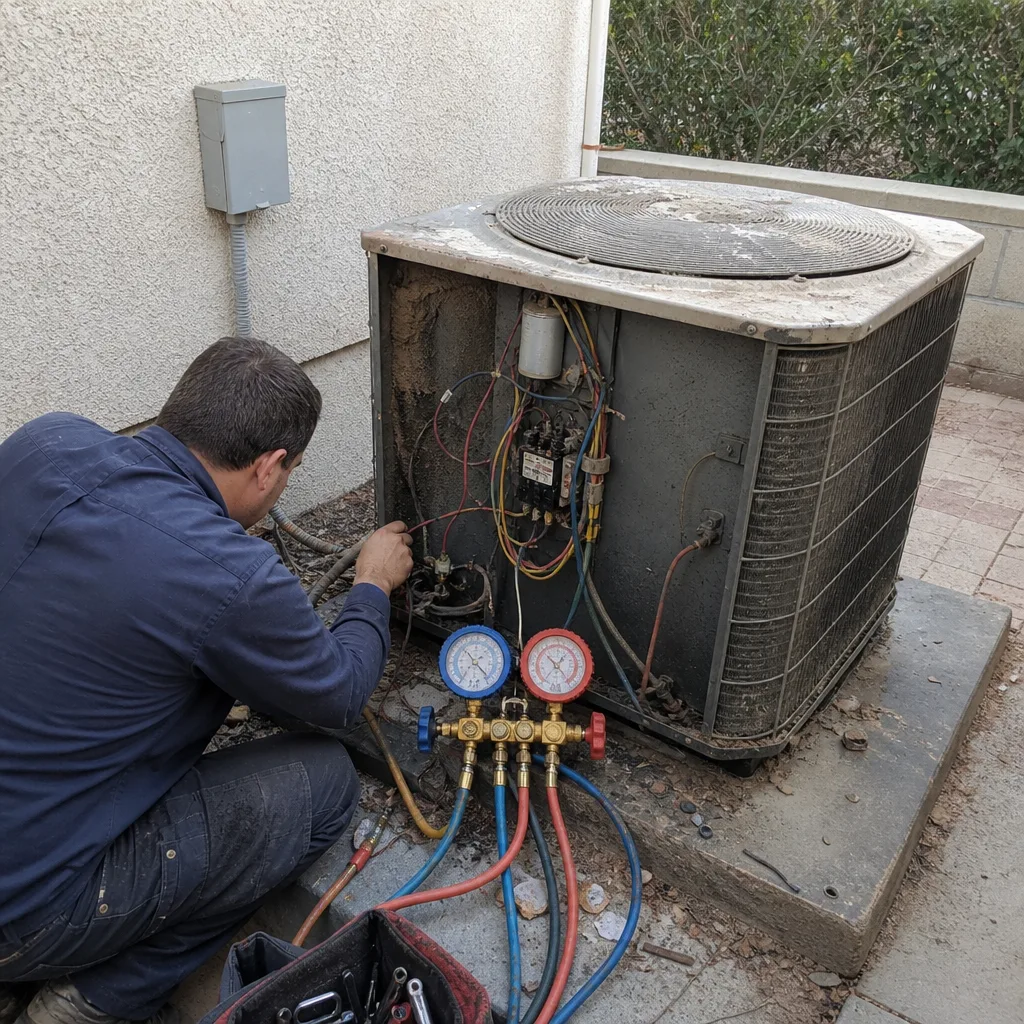
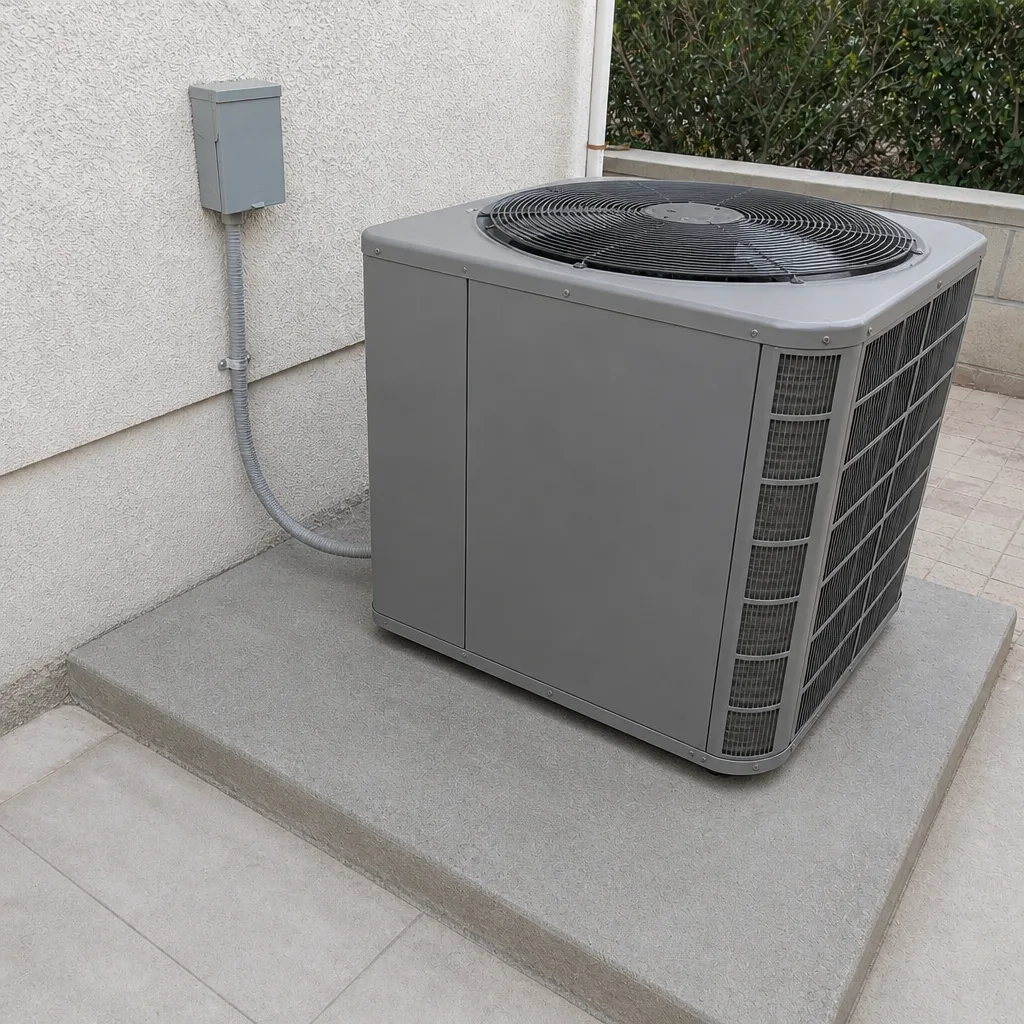
See the difference
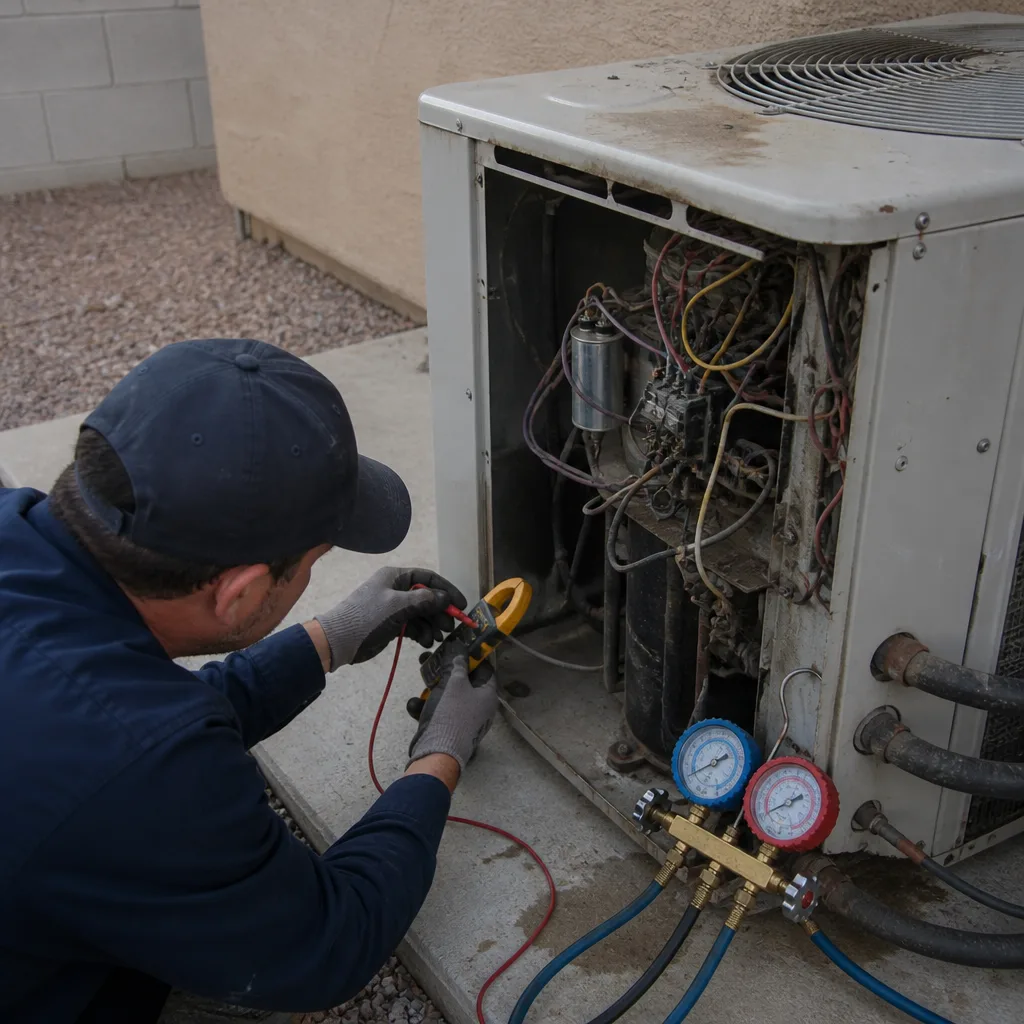 Before
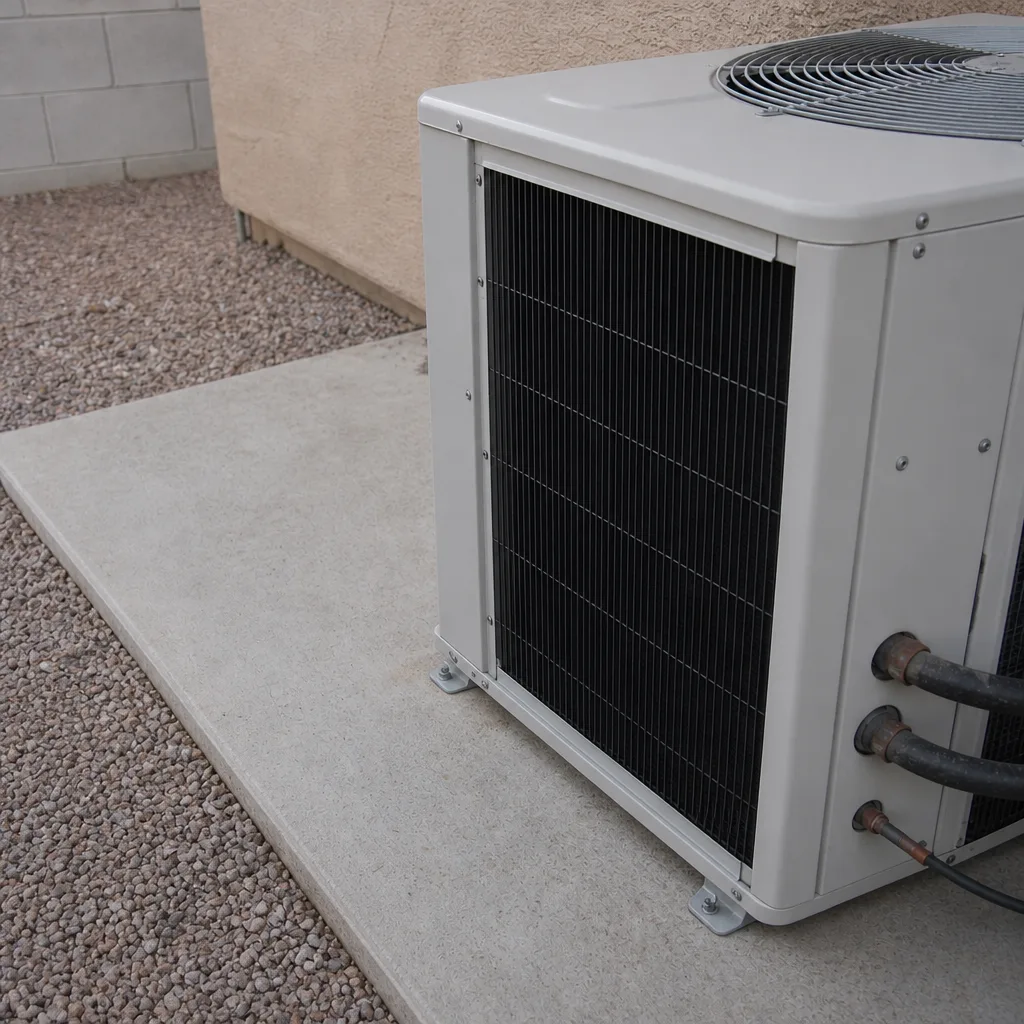 After
 Before
 After
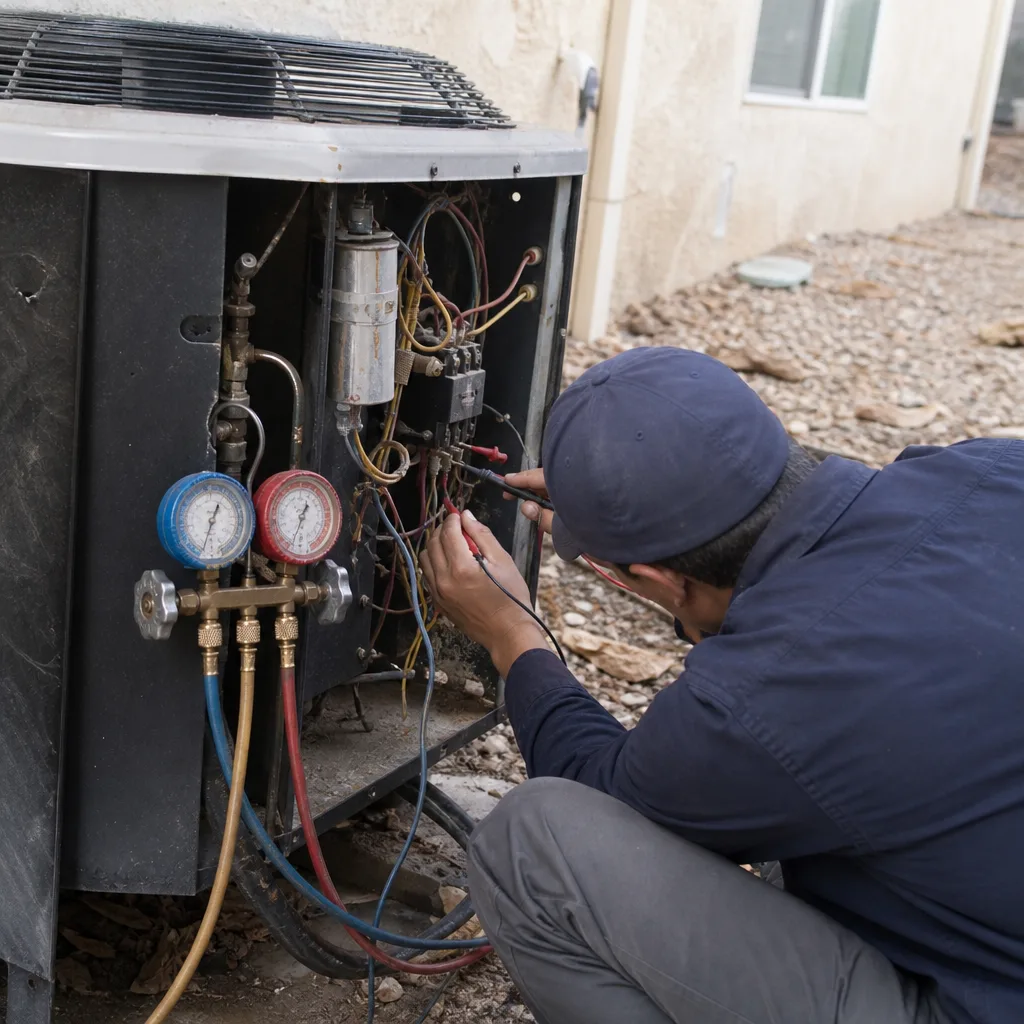 Before
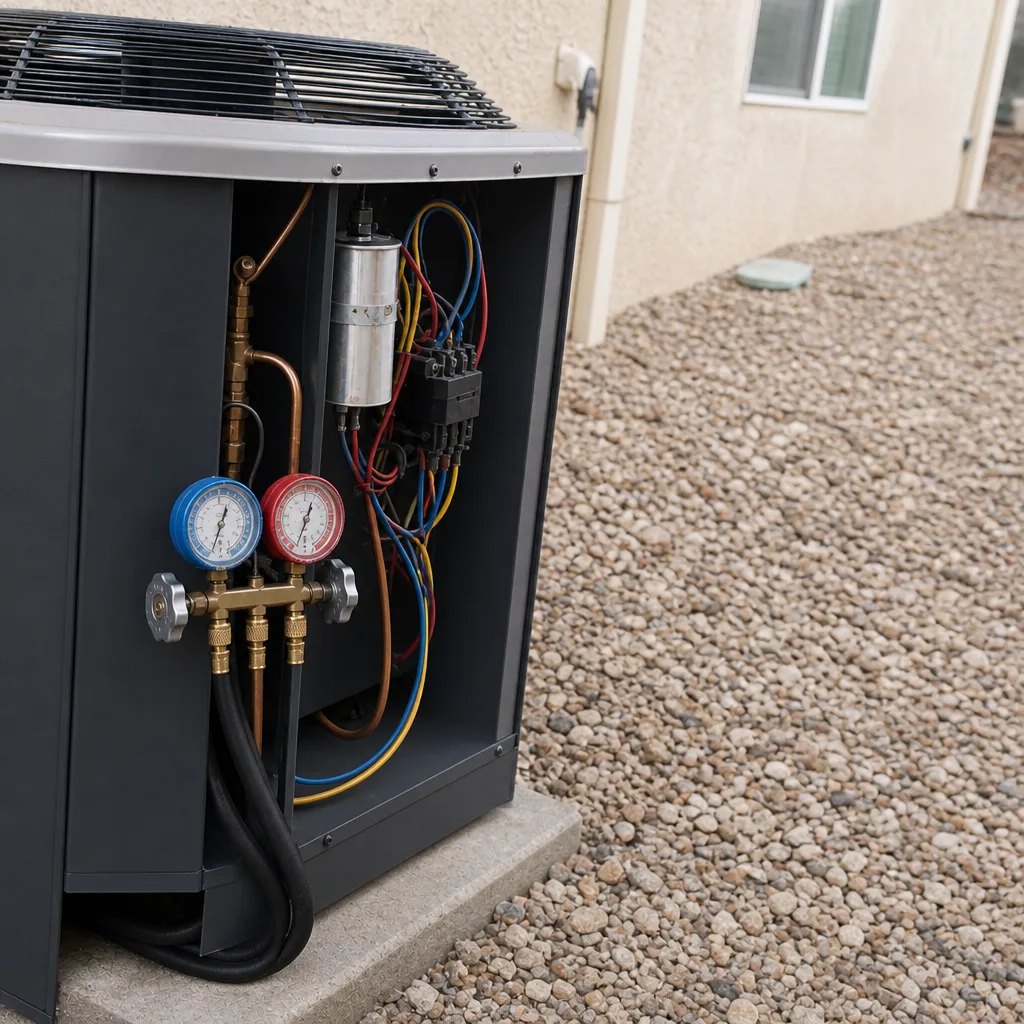 After
When to Call a Professional
Call a licensed AC specialist when your system needs a replacement, when a permit record is missing or an inspection is open, when the equipment fails in the heat, or when you’re not sure whether the job you’re being quoted crosses the permit line. A failed system in a Summerlin summer is a health and comfort issue, not a minor inconvenience, and it deserves fast, accurate answers about the repair. We answer 24/7. Fast dispatch from 7am to 7pm, Sunday through Friday, and we’re closed Saturday. Our technicians have up to 12 years of experience, and we work on the nine major brands, from Carrier and Trane to Daikin and Bryant. AC Repair Summerlin offers free estimates in Summerlin. Call (833) 317-1621 and we’ll walk you through what the job involves and what the permit requires before you commit to anything.
Frequently Asked Questions
Yes. A replacement or new installation of air conditioning equipment in Summerlin requires a Clark County mechanical permit, and the county will inspect the work before the permit is closed. A repair that keeps the existing equipment generally does not. If you’re not sure which category your job falls into, call (833) 317-1621. Estimates are free.
A typical residential replacement requires a minimum of two inspections: a rough-in inspection before the system is closed up, and a final inspection after the install is complete. Some projects with separate electrical scope need a third. The contractor schedules and manages these as part of the job.
The contractor who pulled the permit is responsible for correcting any failure and scheduling the re-inspection. The homeowner is not responsible for arranging the fix, even if a previous contractor performed the original work. If you’ve inherited an open permit, a licensed contractor can review what’s missing. Call (833) 317-1621 for a free estimate.
In many Summerlin neighborhoods, yes: the HOA architectural approval is separate from the county permit, and both must be satisfied. Placement, screening, and setbacks are common HOA concerns for outdoor equipment. Get the association’s rules before the equipment placement is chosen.
Look up your parcel number through the Clark County Assessor’s property search, then search the county’s building permit records by address or parcel. Filter for mechanical permits and check for a passing final inspection. If there’s no record for a system that was clearly replaced, ask about it before closing or listing.
Yes. Nevada adopts the IECC cycle and enforces minimum efficiency thresholds for new equipment, and the county reviews that in the permit application. The installed system’s efficiency depends on matched indoor and outdoor components, not the outdoor unit alone. Ask your contractor which code cycle is in force and whether the proposed system meets it. Call (833) 317-1621 for an exact quote on a compliant replacement in Summerlin.
The Bottom Line
The permit is the paper trail that protects your home’s value long after the install is done. In Summerlin, a replacement needs a county mechanical permit and more than one inspection, plus the HOA approval if your neighborhood requires it. A repair usually doesn’t. The energy code sets the minimum efficiency for new equipment, and the load calculation is the number the whole install rests on. Pull the permit record on any home you’re buying, keep your own documents together when you sell, and never let a failed inspection go uncorrected. A call to (833) 317-1621 gets you a free estimate and straight answers about what the permit requires for your job. We answer 24/7.
Written by the team at AC Repair Summerlin.