
Last updated November 18, 2026
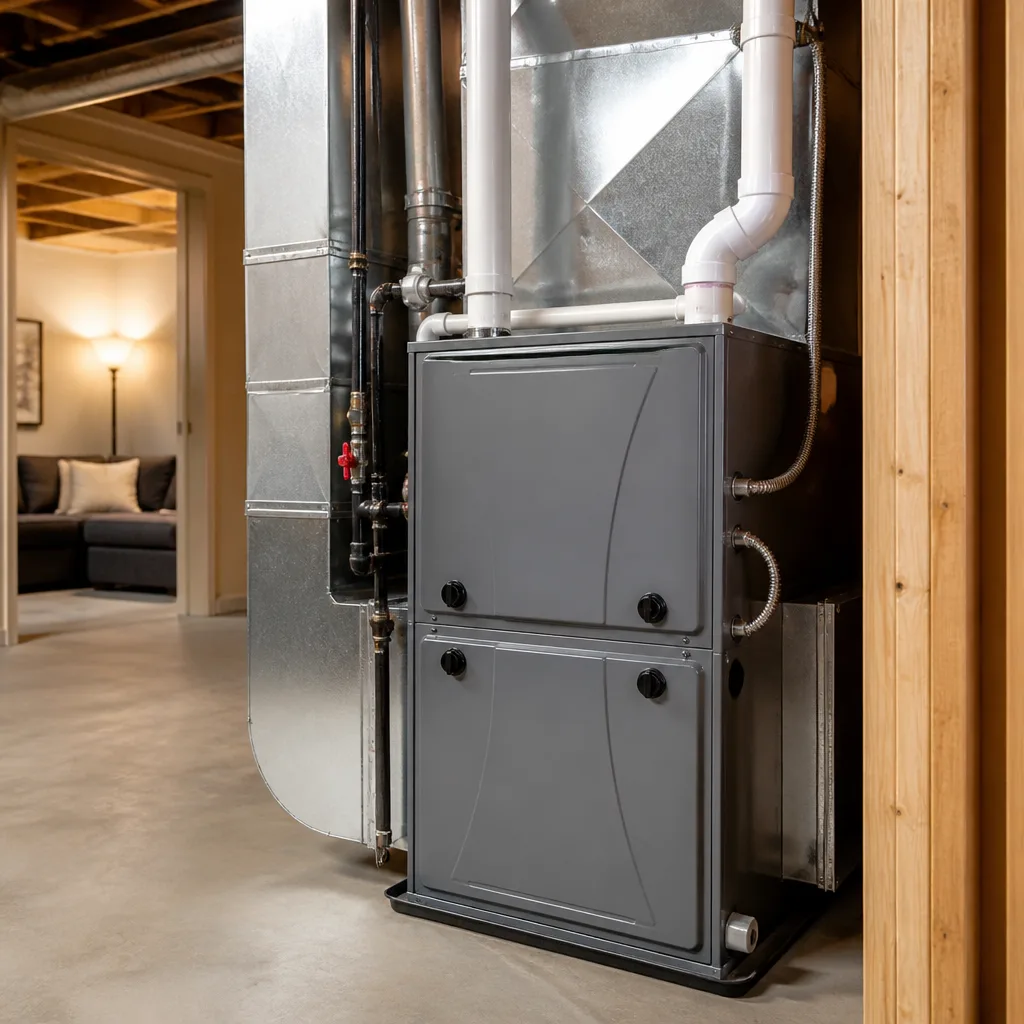 Furnace & heating
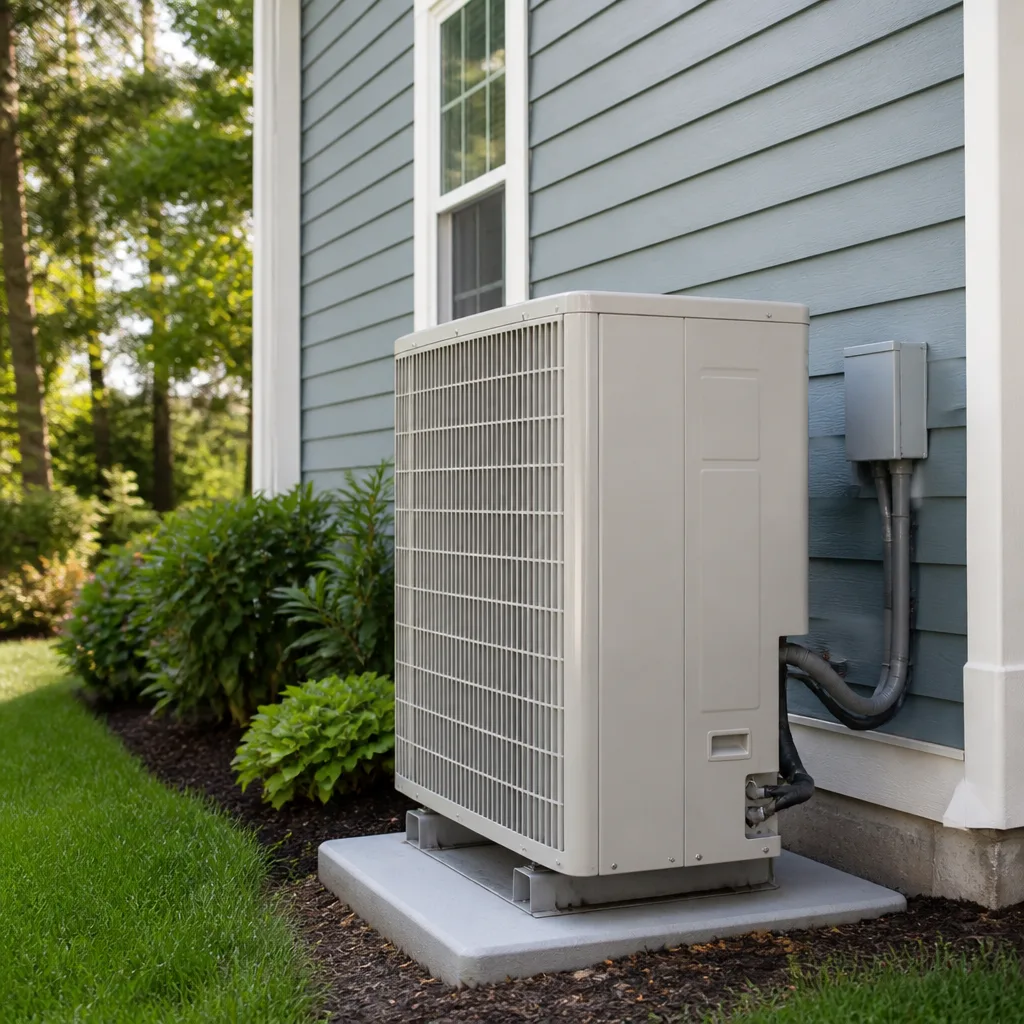 Heat pumps
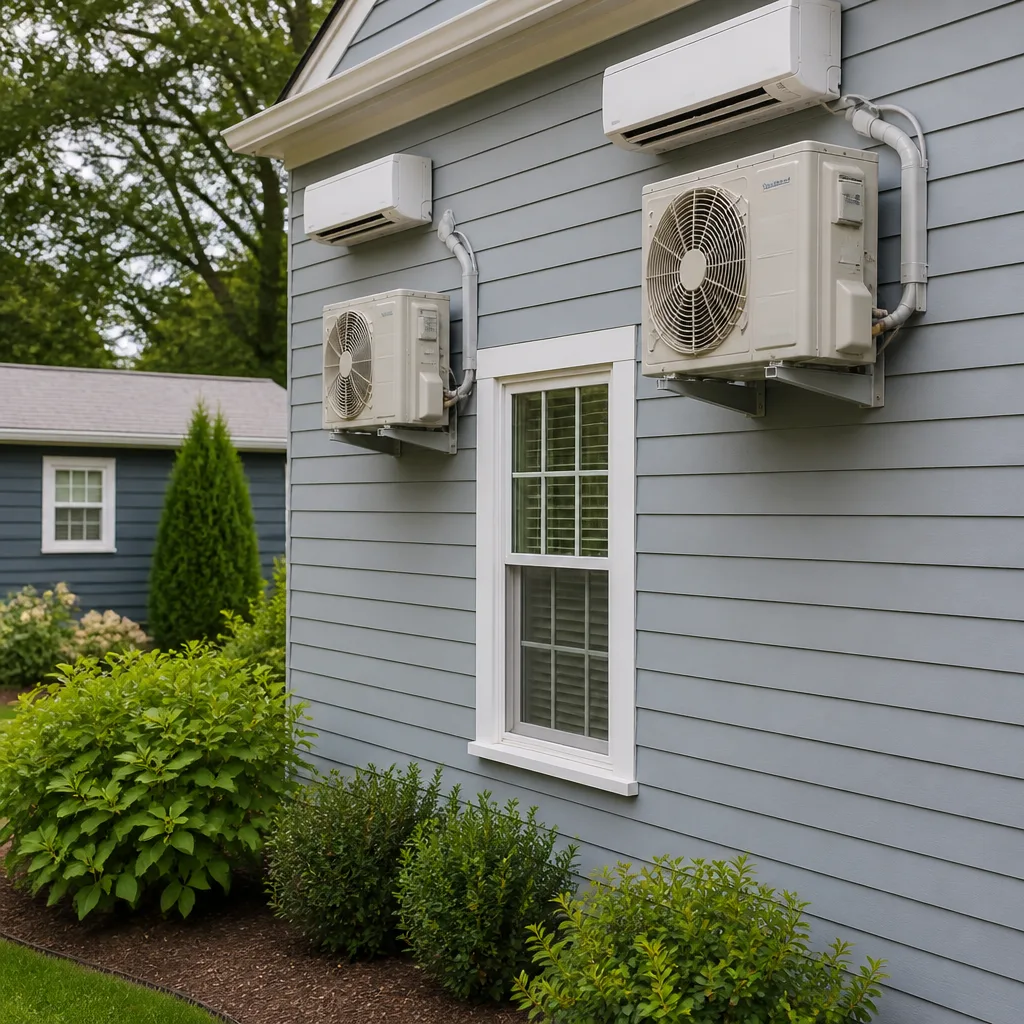 Ductless mini splits
 Carrier
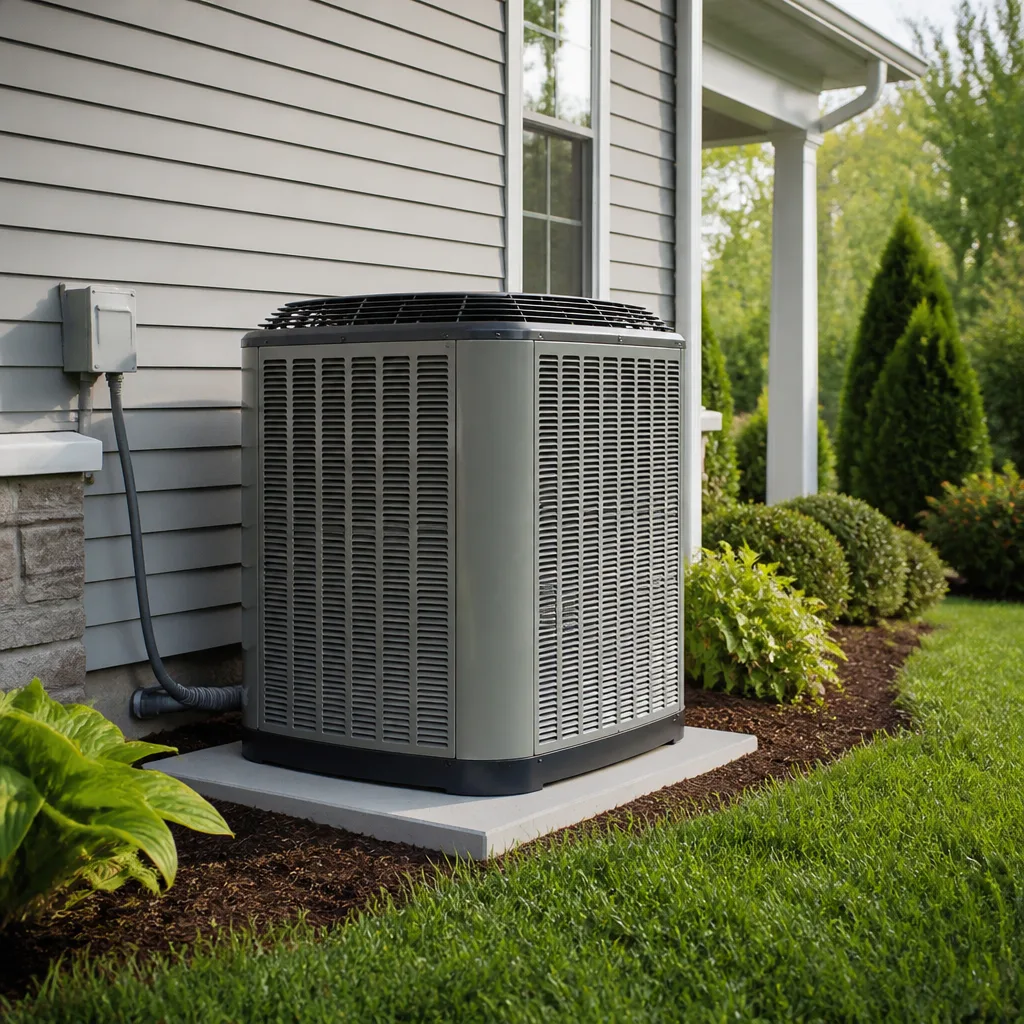 Trane
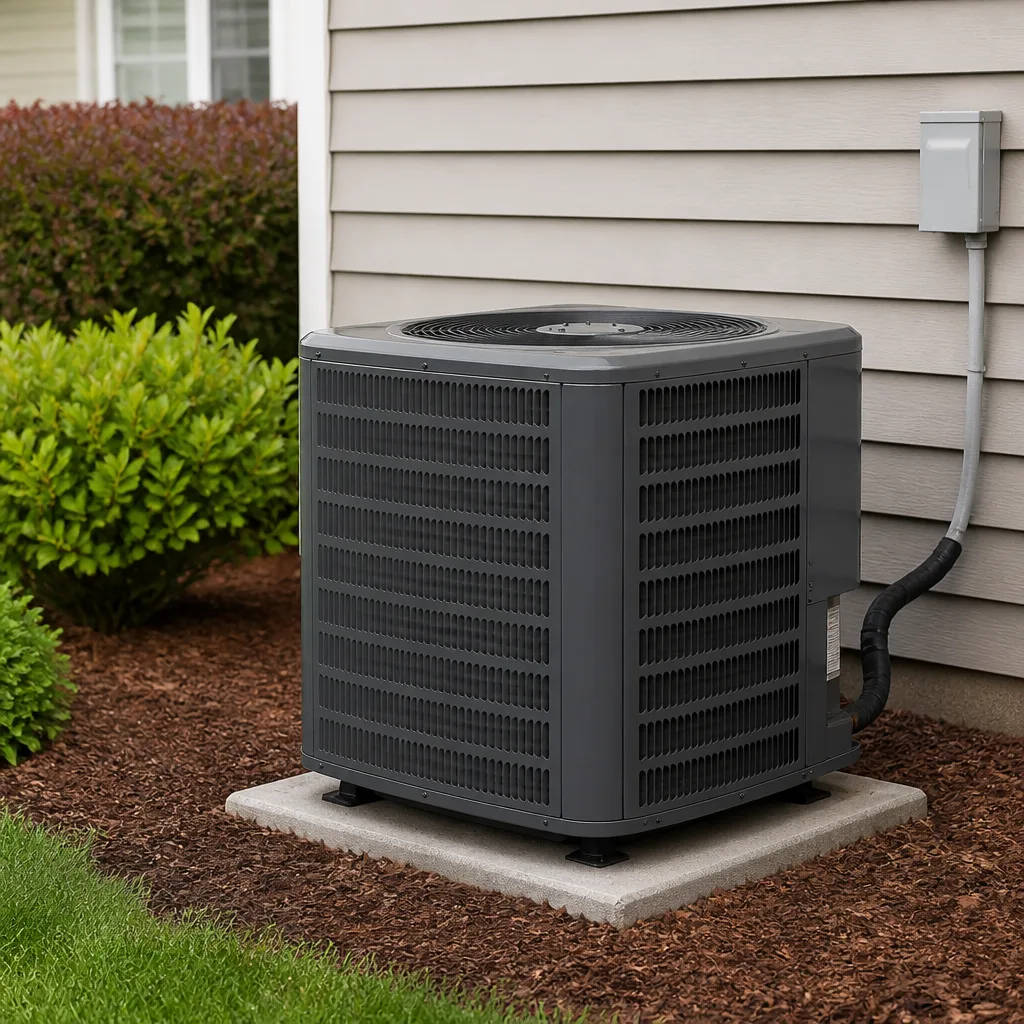 Goodman
Seasonal tune-up and full diagnostic on your Carrier, Trane, or Goodman system - readings shown to you before any repair is proposed
Diagnosis first, numbers second - you approve the repair price before a single part goes in.
Get your free estimateHow to Hire an HVAC Contractor in Summerlin: A Step-by-Step Guide
Most homeowners hiring an HVAC contractor in Summerlin NV ask the wrong first question. They ask whether the contractor is licensed, which is table stakes and rarely the thing that goes wrong. The real risk is subtler: Nevada issues a single C-21d HVAC license with no specialty tiers, so the contractor who spends most of their week on restaurant walk-in coolers carries the exact same credential as the one who has replaced hundreds of residential systems across Summerlin. This guide teaches you how to vet what the license can’t tell you: brand-specific experience, load calculation discipline, local code awareness, and the paper trail a legitimate proposal has to include.
Quick Answer
To hire an HVAC contractor in Summerlin, verify their Nevada State Contractors Board standing first, then confirm they hold factory-authorized dealer status for your equipment brand, ask whether they run a Manual J load calculation before quoting a new system, and require a written proposal listing equipment model numbers, permit responsibility, and warranty terms before you sign. The questions that separate a residential desert specialist from a general HVAC tradesperson go well beyond the license check, and this guide walks through each one in order.
Styles & brands we work with
- AC installation
- Furnace & heating
- Heat pumps
- Ductless mini splits
- Carrier
- Trane
- Goodman
Table of Contents
- Why the Nevada License Check Isn’t Enough
- How to Verify a Contractor in Under Two Minutes
- The Five Questions That Separate Specialists from Generalists
- Manual J: The Load Calculation That Changes Everything
- Factory-Authorized Status and Warranty Continuity
- What a Legitimate Written Proposal Must Include
- Summerlin-Specific Red Flags
- Common Mistakes to Avoid
- When to Call a Professional
- Frequently Asked Questions
Why the Nevada License Check Isn’t Enough
Nevada’s contractor licensing system treats HVAC under a single classification: C-21d. There are no residential-versus-commercial tiers, no specialty endorsements for brands, and no separate path for new installation versus service work. A contractor holding a valid C-21d can legally quote your home system replacement and a supermarket refrigeration project on the same day.
That’s not a criticism of the licensing board. It’s simply the reality of how Nevada structures the credential, and it means the license alone tells you the contractor has met a baseline threshold, not that they specialize in residential cooling in a desert climate. In Summerlin, where summer design temperatures push equipment hard and attic temperatures routinely climb above 130 degrees, the difference between a generalist crew and a tight residential specialist shows up in a lot of small decisions: how they size the unit, how they run the line set, how they transition ductwork.
Instead of asking “are you licensed,” ask “what percentage of your work is residential cooling.” A plumbing company that added HVAC service to keep crews busy through the winter will pass the license check. A crew that works exclusively on home AC systems in the Las Vegas valley will answer the specialization question with a specific number without hesitating.
What the C-21d Actually Certifies
The classification confirms the holder has posted the required bond, carried the required insurance, and met the experience and exam requirements the state sets for HVAC work. It does not confirm brand training, load calculation competency, or familiarity with the Clark County permitting process for residential changeouts. Those are things you have to verify through the conversation and the paperwork.
How to Verify a Contractor in Under Two Minutes
The Nevada State Contractors Board maintains a public license lookup that takes less time to use than making a cup of coffee. Pull the contractor’s license number, enter it, and read what comes back. Every licensed contractor will hand you the number without delay. Anyone who deflects or promises to send it later is telling you something.
- Search the license number on the Nevada State Contractors Board site. The number should match the entity name on the proposal exactly. If the proposal is from a trade name but the license is held by a different entity, ask why.
- Confirm the status reads “active” and the classification includes C-21d. Note the expiration date. Anything in “suspended,” “conditional,” or “limited” status needs a direct explanation before you proceed.
- Read the complaint history. A single resolved complaint is not a red flag. A cluster of unresolved complaints regarding workmanship or abandonment is.
- Check the bond and insurance listings. The state records both. If the bond amount looks unusually small for the size of job you’re considering, ask how the contractor covers shortfalls.
- Cross-reference the equipment brand. If they claim factory-authorized status for Rheem or Daikin, check that brand’s dealer locator separately. The contractor’s own website is not verification.
What Suspended and Conditional Statuses Mean
A suspended license means the contractor is currently barred from contracting work in the state. Do not sign anything if you see that status. A conditional license usually means the board placed a limitation on some aspect of the license pending resolution of a complaint or compliance issue. Ask the contractor to tell you exactly what the condition is and when it was imposed, then verify the answer with the board office directly. The answer will tell you more about how the business operates than any review on a website will.
The Five Questions That Separate Specialists from Generalists
The interview is where most homeowners either save themselves thousands of dollars or walk into a system that will underperform for a decade. These five questions work because each one requires a specific, technical answer that generalists typically cannot give without fumbling.
- “Walk me through the last five residential changeouts you completed in Summerlin or nearby.” A specialist describes them without effort because that’s most of what they do. A generalist hedges with commercial work or vague references to “the valley.”
- “Do you run a Manual J load calculation before quoting a replacement?” The right answer is yes, every time. The wrong answer is “we size by square footage,” which is a shortcut that routinely oversizes desert installations.
- “Which equipment brands are you factory-authorized to sell and service, and which ones are you not?” Brevity is a good sign. A contractor who claims authorization for every brand on earth is not being candid. A specialist who works on nine major brands will simply list them.
- “Who pulls the mechanical permit for the changeout, and is that cost in the quote?” The answer should be that the contractor pulls it. Owner-pulled permits shift liability to you and can complicate warranty claims later.
- “When my system fails on a peak-heat afternoon, what does your response actually look like?” Vague promises about “24/7 availability” mean nothing unless the dispatcher explains how calls are triaged. Ask specifically what happens when you call at 3pm on a July day.
Any contractor who answers all five with specificity has earned serious consideration. Anyone who dodges more than one is a pass, no matter how good the price looks.
Manual J: The Load Calculation That Changes Everything
Manual J is the industry-standard method for calculating how much heating and cooling a specific house actually needs. It accounts for square footage, obviously, but that’s the smallest part of the equation. Window placement and glazing type, insulation values, attic ventilation, orientation, the number of occupants, appliance heat gain, and the local design temperature all feed into the final tonnage number.
Summerlin sits in the Mojave at elevation with a design temperature that puts real stress on equipment for months. A system that’s sized by square footage alone, common in older practice and still used by shortcut-oriented contractors, will almost always come back oversized. An oversized unit short-cycles, which means it never runs long enough to properly dehumidify (less of a concern here than in humid climates, but still relevant during the summer monsoon season) and it wears out its compressor faster than a correctly sized unit will.
What a Real Load Calculation Involves
A contractor running Manual J properly will spend thirty to sixty minutes in your home before quoting. They’ll measure room dimensions, check window square footage and shade exposure, inspect attic insulation and ventilation, note duct layout, and ask about how each room actually feels during summer afternoons. Then they’ll run the numbers through software and provide the calculation as part of the proposal. If a contractor quotes a replacement without ever walking your home, that is a red flag row.
Why Undersizing Is Just as Bad
The instinct for homeowners is to worry about oversizing. Undersizing is equally damaging: the unit runs continuously, never satisfying the thermostat, which drives up electric bills and shortens equipment life. The correct answer is always the calculated number, which is why verifying the contractor’s process matters more than debating the result.
Factory-Authorized Status and Warranty Continuity
When your Rheem condenser fails in year three, the manufacturer’s parts warranty only covers the equipment if a qualified technician did the installation and registered the warranty within the manufacturer’s window. Factory-authorized dealer status matters because it’s the mechanism that protects that chain. Non-authorized installers can buy equipment through distributors, but the warranty path is less certain.
How to check authorizations brand by brand:
- Manufacturer dealer locators. Each major brand (Rheem, York, Daikin, Bryant, Carrier, Trane, Lennox, Goodman, American Standard) publishes a dealer lookup. Enter your ZIP code and see which contractors appear for that brand.
- Ask for the dealer agreement. Legitimate dealers can produce a current agreement. A contractor who “used to be authorized” is not currently authorized.
- Read the proposal for a warranty statement. The written proposal should specify the parts warranty duration from the manufacturer and the labor warranty duration from the contractor. These are separate coverages and both matter.
- Confirm warranty registration in writing. The contractor should register the equipment with the manufacturer and provide confirmation. If you don’t see that step in the proposal, ask before signing.
Why Brand Coverage Matters More Than Brand Loyalty
Our technicians have up to 12 years of experience working across Carrier, Trane, Lennox, Goodman, Rheem, York, Daikin, Bryant, and American Standard, which means a homeowner who moves into a house with an existing Bryant system isn’t sent away when that brand comes up during a repair. Brand-neutral diagnostics mean the recommendation is based on your equipment’s condition and your budget, not on which manufacturer pays the contractor a spiff.
When you’re evaluating contractors, ask which brands they’re trained on and which they’re not. If they specialize in one brand only, that’s fine if you own that brand. If they don’t tell you which brand they prefer, push until they do.
What a Legitimate Written Proposal Must Include
Verbal promises vanish the moment the crew pulls out of the driveway. The written proposal is the document you’ll rely on if something goes wrong, and it needs to contain specific items that a lot of contractors try to skip. Require all of the following before you sign a changeout proposal:
- Scope of work in plain language. Every item included, and every item excluded. If ductwork modification isn’t included, it has to say so.
- Equipment model numbers. Not just the brand and tonnage. The exact model numbers for condenser, air handler, and any coil. Cross-reference those numbers against the manufacturer’s spec sheet to confirm efficiency rating and features.
- Manual J calculation included. Attach or reference the load calculation that drove the sizing decision.
- Permit responsibility. Who pulls the mechanical permit, who pays for it, and who handles the final inspection.
- Disposal and licensing. Refrigerant recovery, old equipment removal, and confirmation that the contractor is licensed and insured to do the work.
- Warranty terms in writing. Manufacturer parts warranty duration, contractor labor warranty duration, and how warranty calls are handled.
- Payment schedule tied to milestones. Payment should follow work completed, not precede it. A significant deposit paid before the crew arrives is a red flag.
What Should Not Be in a Proposal
If your proposal contains a monthly “system protection plan” that wasn’t requested, or a line item for “equipment upgrade” without a corresponding Manual J, ask why. If it quotes a brand you didn’t discuss without explaining the tradeoff, that’s the spiff conversation showing up on paper.
Summerlin-Specific Red Flags
Certain warning signs are distinctive to the local market. Summerlin sits at elevation with intense summer heat, HOA governance in much of the community, and a housing mix that runs from original-construction homes to newer builds with high-performance envelopes. That combination produces specific patterns worth watching for.
- A contractor who quotes replacement over the phone without a visit. Desert heat exposure differs block to block depending on shade, orientation, and wall assembly. Anything quoted without a walk-through is a guess dressed up as a price.
- No Manual J or portable load calculation. If the proposal just repeats the tonnage of your existing unit, ask why. Replacing “like for like” without calculation perpetuates whatever sizing mistake the original install made.
- Brand push regardless of home specs. A contractor who recommends one manufacturer for every home in the community, regardless of envelope, orientation, or budget, is telling you something about their margin rather than your system.
- Missing HOA awareness. Many Summerlin communities have rules about exterior equipment placement and visible changes. A contractor who has never asked about your architectural review process may leave you with a compliance headache.
- Unsolicited high-pressure financing. Financing is legitimate when you ask for it. It’s a red flag when it’s the sales pitch.
- Deferred permit discussion. A contractor willing to skip the mechanical permit to keep the price low is telling you they’re willing to skip other things too.
Common Mistakes to Avoid
- Hiring on price alone. The lowest quote is usually lowest for a reason, and in Summerlin a cheap changeout on undersized or improperly installed equipment causes problems that cost far more to correct than the original savings.
- Skipping the license lookup because the contractor “seems legit.” Impostors and out-of-state entities are common in high-growth markets. The Nevada State Contractors Board check takes under two minutes and catches issues you cannot detect in conversation.
- Signing before reading the warranty terms. Two-year labor warranties and one-year labor warranties are both common, but you have to know which one you’re getting, and the manufacturer’s parts warranty only runs if the installation is registered properly.
- Accepting a proposal with generic equipment descriptions. “High-efficiency 3-ton system” is not a model number. If the proposal doesn’t specify condenser and air handler model numbers, ask for a revised version.
- Assuming the contractor will handle the permit. Some will, some won’t, and if the responsibility isn’t in writing it defaults to you, which complicates resale and warranty claims down the road.
- Letting ductwork inspection slide. The condenser and air handler get all the attention, but duct leakage and undersized returns are common in older Summerlin homes, and new equipment on bad ductwork underperforms.
- Not asking what happens when the system fails in July. Ask the dispatcher directly how a Saturday evening failure is handled. If you don’t like the answer, you’re not talking to the right contractor.
When to Call a Professional
Some AC problems are obviously urgent. A system that blows warm air on a 105-degree afternoon, a breaker that trips whenever the compressor starts, a refrigerant line leaking ice in the attic, or an electrical smell coming from the air handler all point to issues that shouldn’t be diagnosed by anyone other than a trained technician. High-voltage components inside the equipment, pressurized refrigerant circuits, and rooftop condenser work all carry real hazards and should not be attempted by a homeowner, no matter what any video says.
Less urgent but worth scheduling: a system that runs constantly and never quite reaches the set temperature, increasing electric bills month over month, an outdoor unit that’s louder than it used to be, or a system that’s more than a decade old and hasn’t been serviced. Catching those patterns early is what separates a cheap repair from a costly replacement later. For a diagnostic, AC repair experts can walk through what the symptoms actually mean.
AC Repair Summerlin offers free estimates in Summerlin. Call (833) 317-1621. We answer 24/7. Fast dispatch from 7am to 7pm, Sunday through Friday.
Frequently Asked Questions
Use the Nevada State Contractors Board public lookup and search by license number or business name. Confirm the license status is “active,” the classification is C-21d, the bond and insurance are current, and there are no unresolved complaints regarding workmanship. Any contractor who won’t provide the number up front is worth a second look before you continue.
A license confirms the contractor met the state’s baseline requirement to do HVAC work. Factory authorization confirms the manufacturer has trained and approved that contractor to sell and service their specific equipment, and it typically affects whether the manufacturer’s warranty will run without friction. Both matter, and they’re verified separately. Call (833) 317-1621 for an exact quote – estimates are free.
Most residential changeouts in Clark County require a mechanical permit, and pulling it is usually the contractor’s responsibility. Skipping the permit can void the manufacturer’s warranty in some cases and create resale complications, so require the permit responsibility to appear in the written proposal before you sign. If a contractor is offering to skip the permit to save money, that’s a reason to walk away.
Ask directly whether they run a Manual J load calculation before recommending equipment. A legitimate answer describes walking the home, measuring windows and insulation, and producing a written calculation as part of the proposal. An answer of “we size by square footage” or “we just match the existing tonnage” is a red flag because it skips the step that determines whether equipment will actually fit the house.
Because the brand compatibility question determines whether your contractor can keep servicing your system through its full life or whether you’ll need to find a new company at the first repair. Technicians trained across Carrier, Trane, Lennox, Goodman, Rheem, York, Daikin, Bryant, and American Standard can work on whatever’s already installed, which eliminates the dead-end conversation when your existing unit isn’t the brand the contractor prefers to sell. Our AC installation team handles the full system lifecycle from first install through eventual replacement.
For cooling work specifically, a specialist is the safer choice because residential AC in the desert is not a side service. A plumbing-and-HVAC company splits its crews across trades, which means the technician who arrives at your home may not have spent the last month diagnosing refrigerant issues or Manual J calculations. The tighter the specialization, the shorter the diagnostic time and the more accurate the recommendation.
Call (833) 317-1621. We answer 24/7. A call outside dispatch hours is booked into the next opening, Sunday through Friday, 7am to 7pm. If the failure involves a burning smell, a tripped breaker that won’t reset, or sparking at the outdoor unit, shut the system off at the breaker and leave it off until a technician arrives. Residential cooling work across Summerlin runs on this same dispatch pattern.
The Bottom Line
Hiring an HVAC contractor in Summerlin comes down to verifying what the license can’t tell you. Check the Nevada State Contractors Board status, confirm factory-authorized status for the equipment brand you own, insist on a Manual J load calculation before a changeout quote, and require a written proposal that names model numbers, permit responsibility, warranty terms, and a milestone-based payment schedule. Ask the five interview questions and pay attention to which ones the contractor answers specifically. The right contractor will welcome the questions. The wrong one will explain why you shouldn’t bother asking. For ongoing care after the install is complete, look at AC installation and a maintenance rhythm that keeps the system in condition between service calls.
Call (833) 317-1621 for a free estimate. We work on your brand across all nine major manufacturers, from first install through annual maintenance to eventual replacement. Fast dispatch from 7am to 7pm, Sunday through Friday, and we answer 24/7.
Written by the team at AC Repair Summerlin.
See the difference
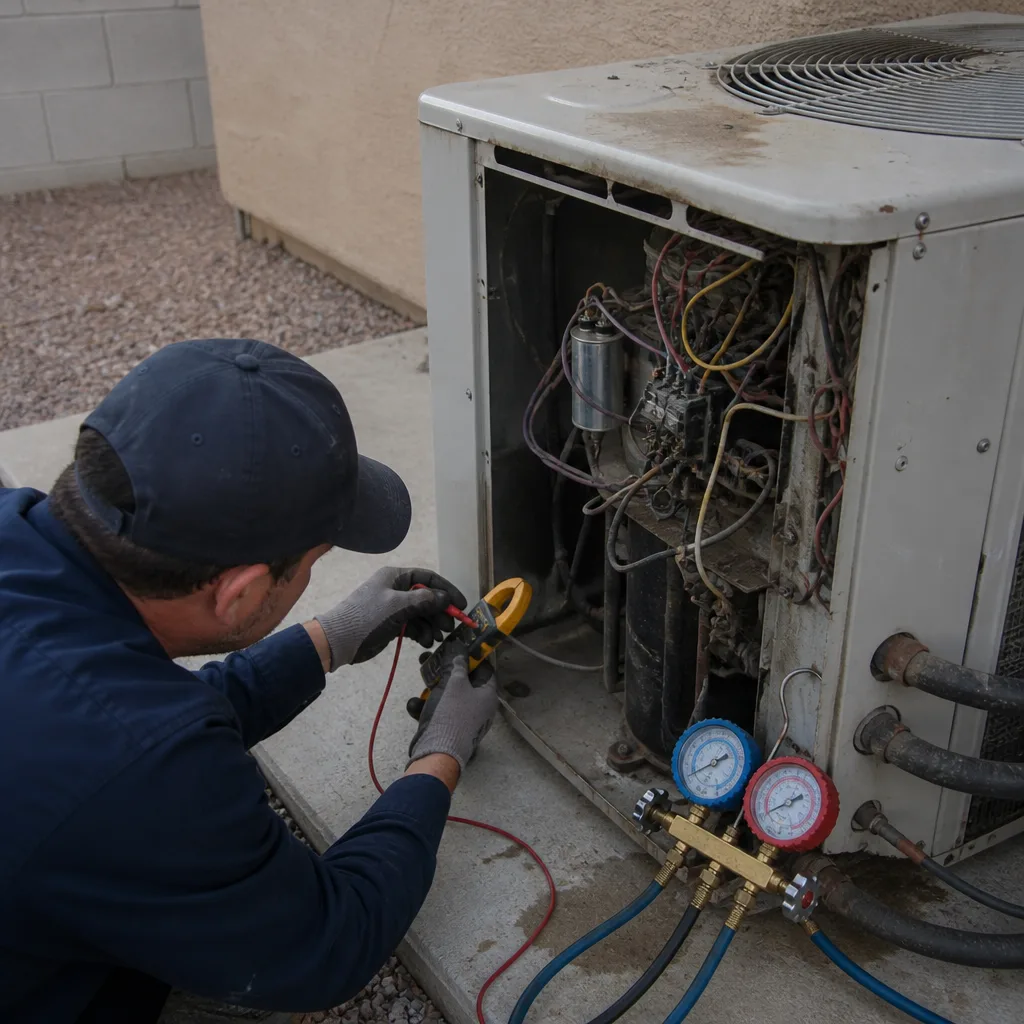 Before
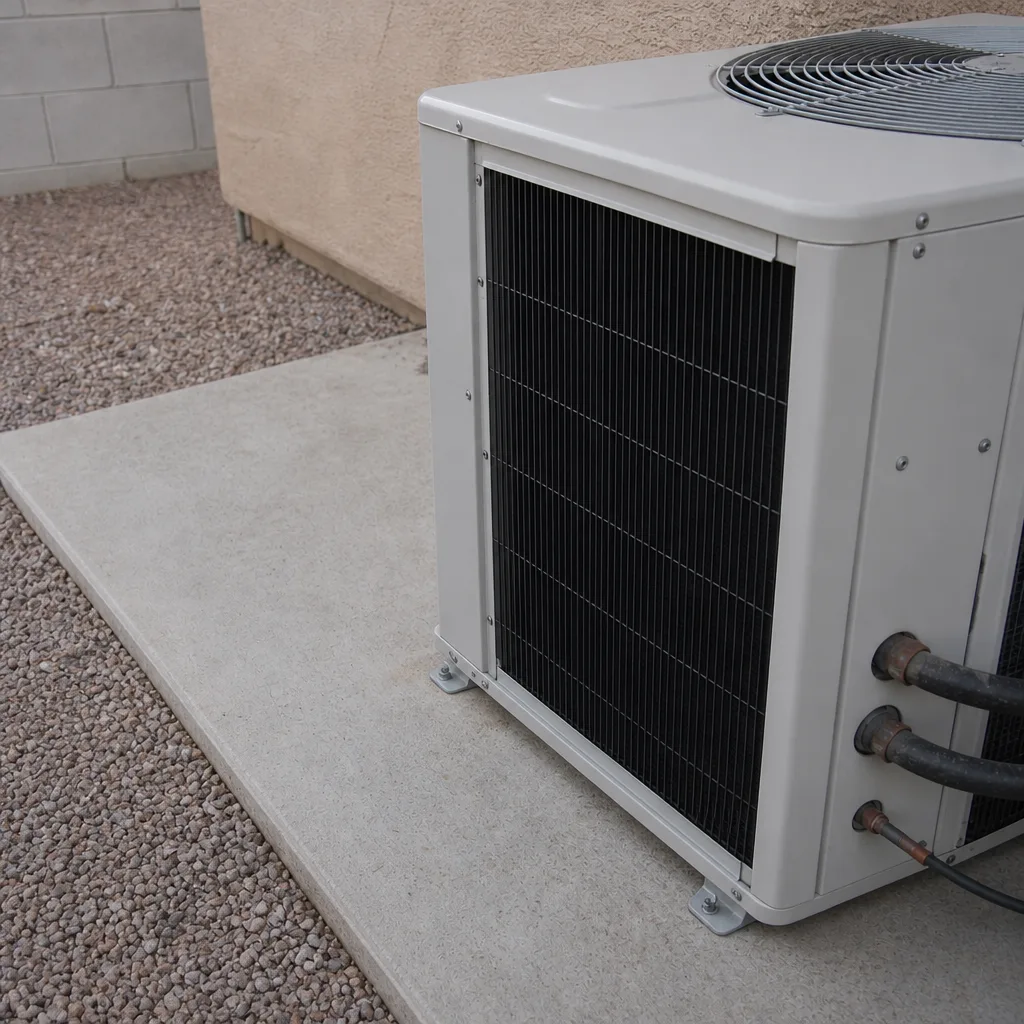 After
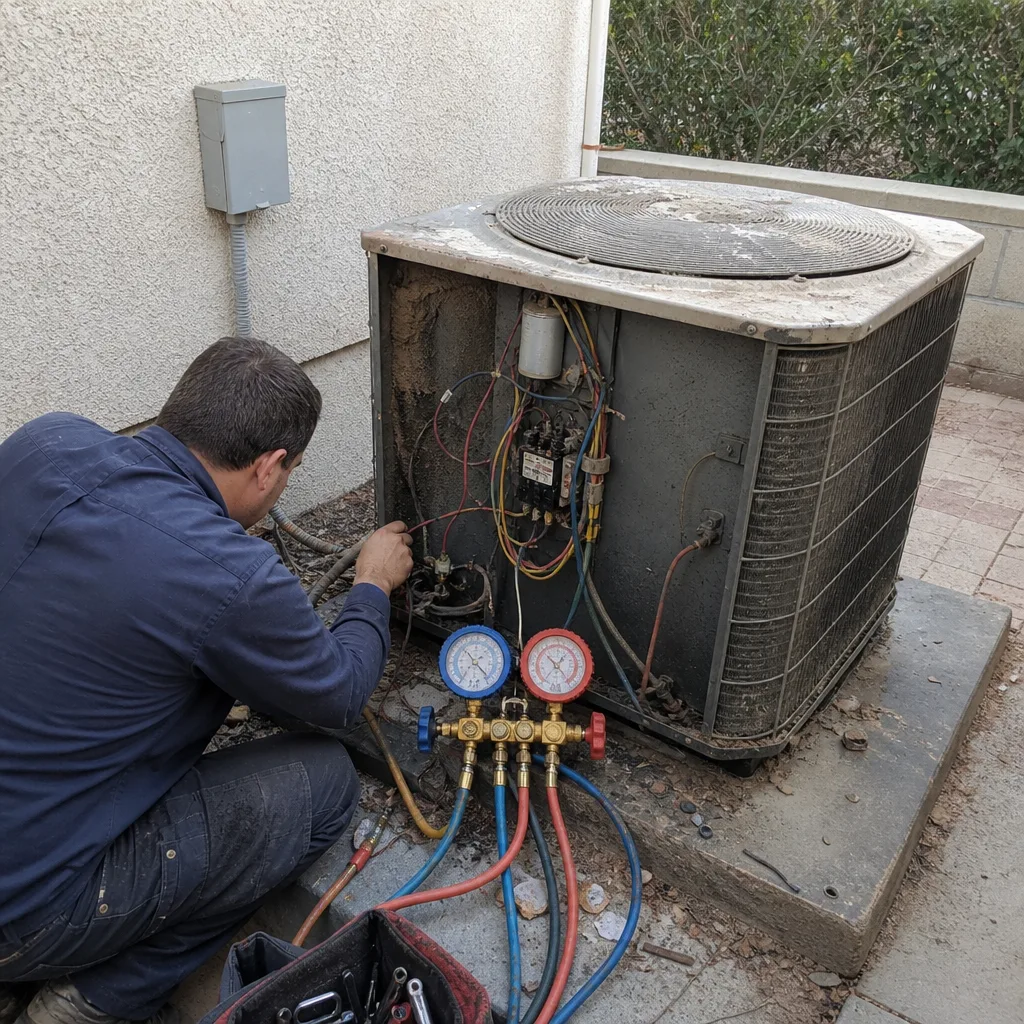 Before
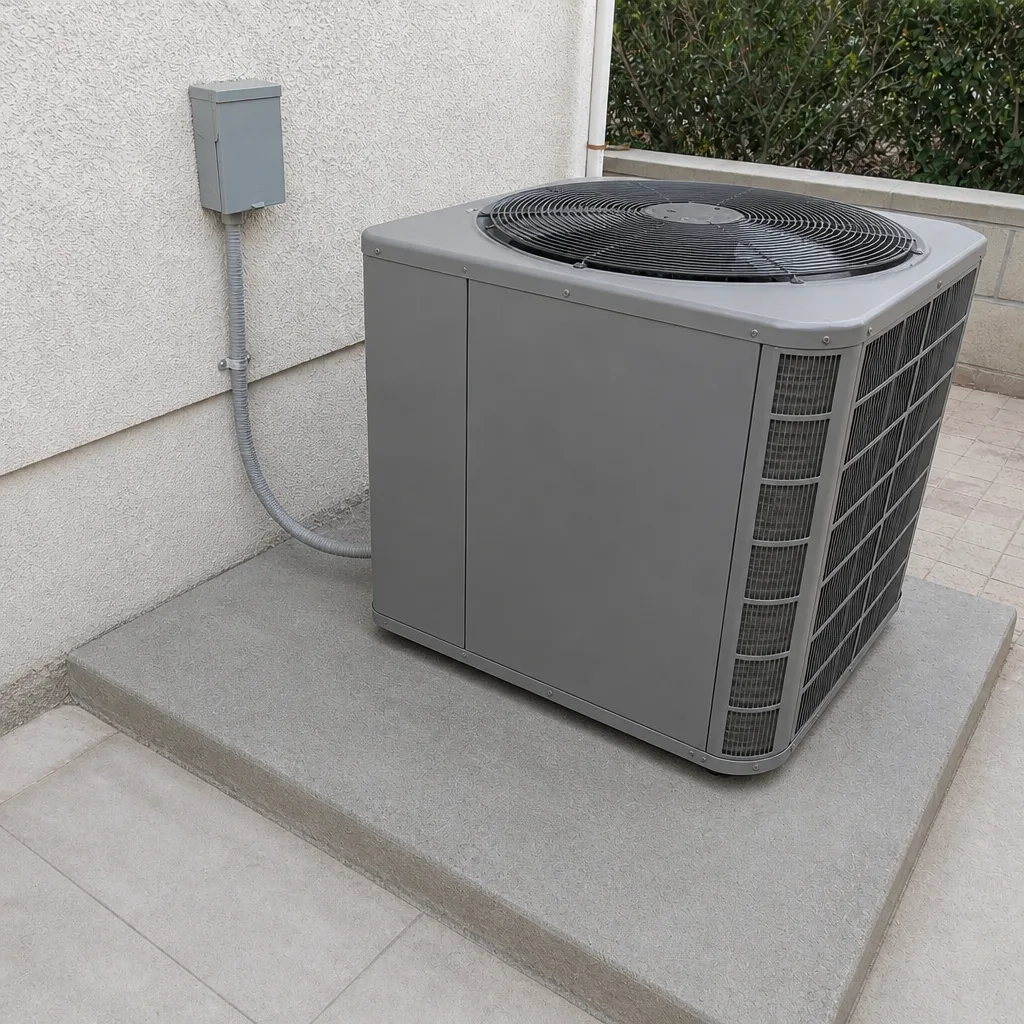 After
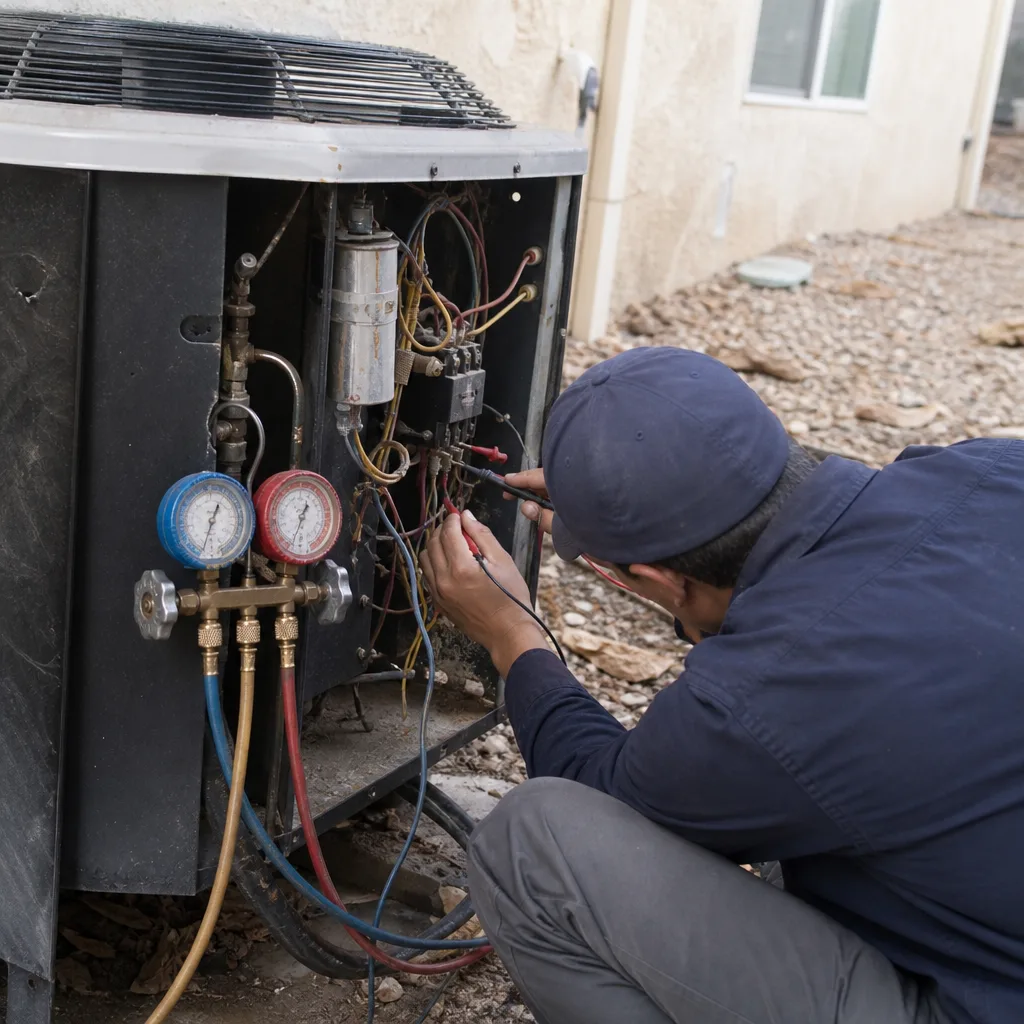 Before
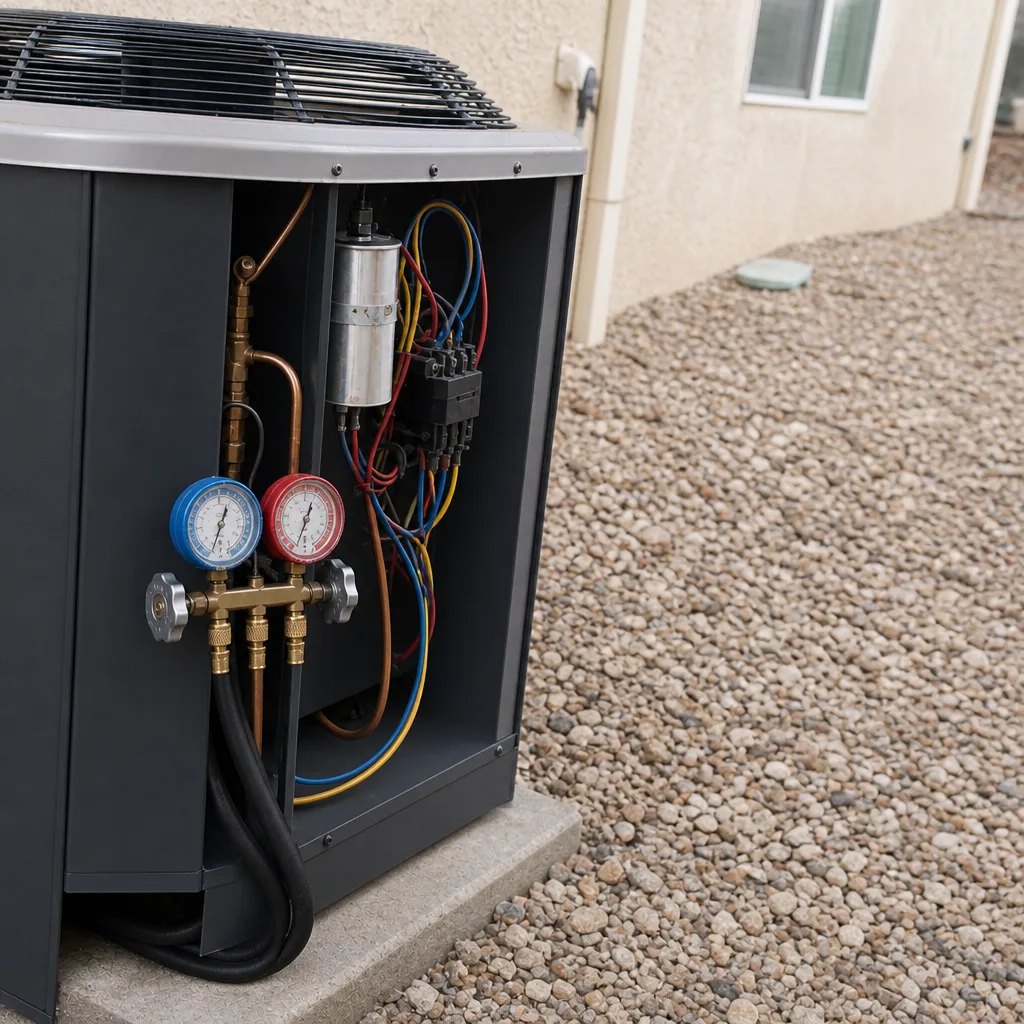 After