
Last updated November 18, 2026
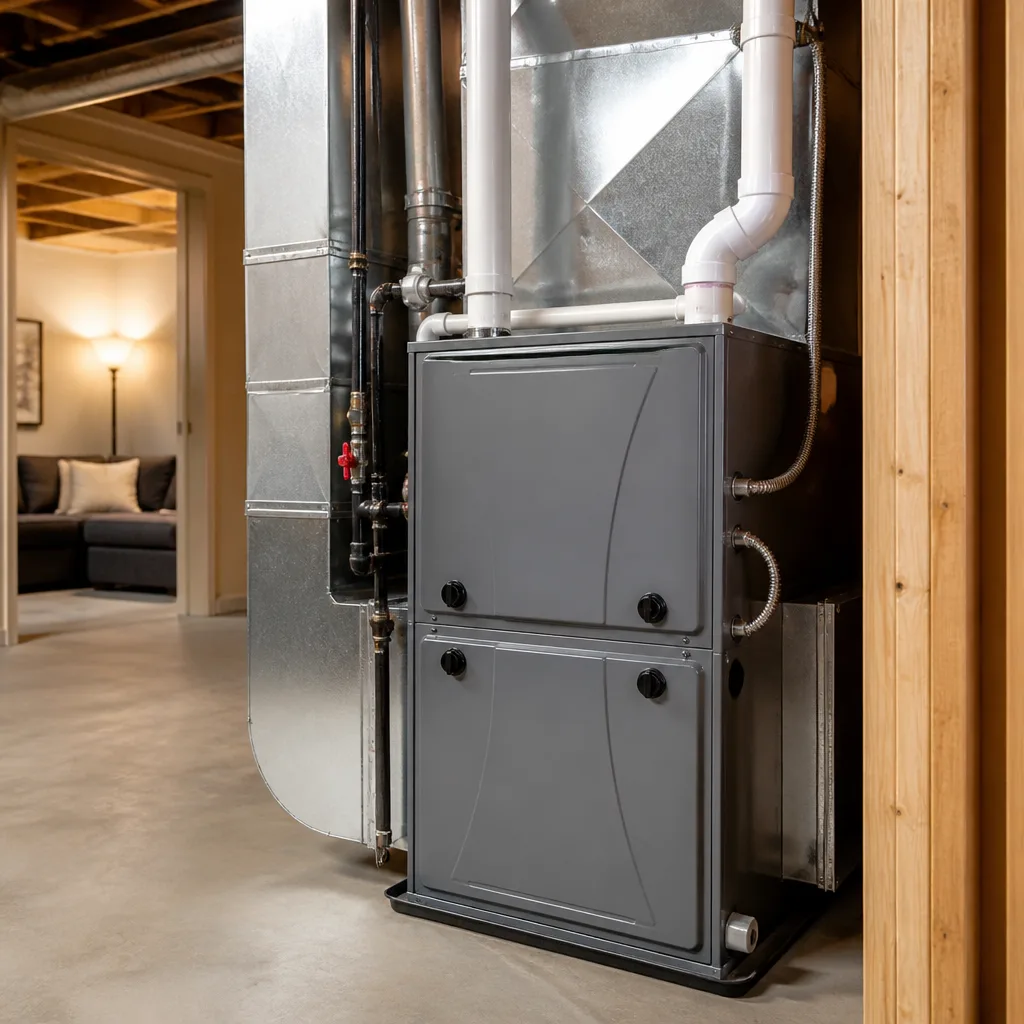 Furnace & heating
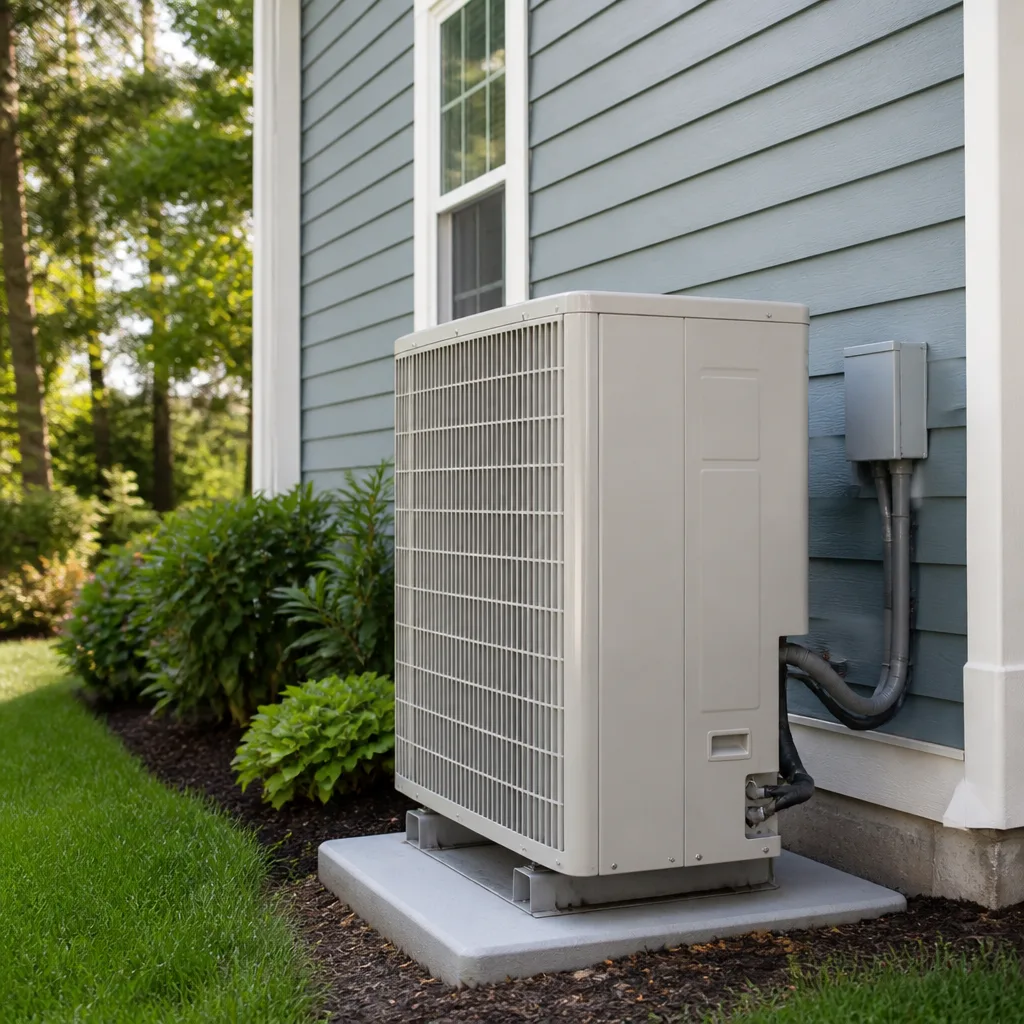 Heat pumps
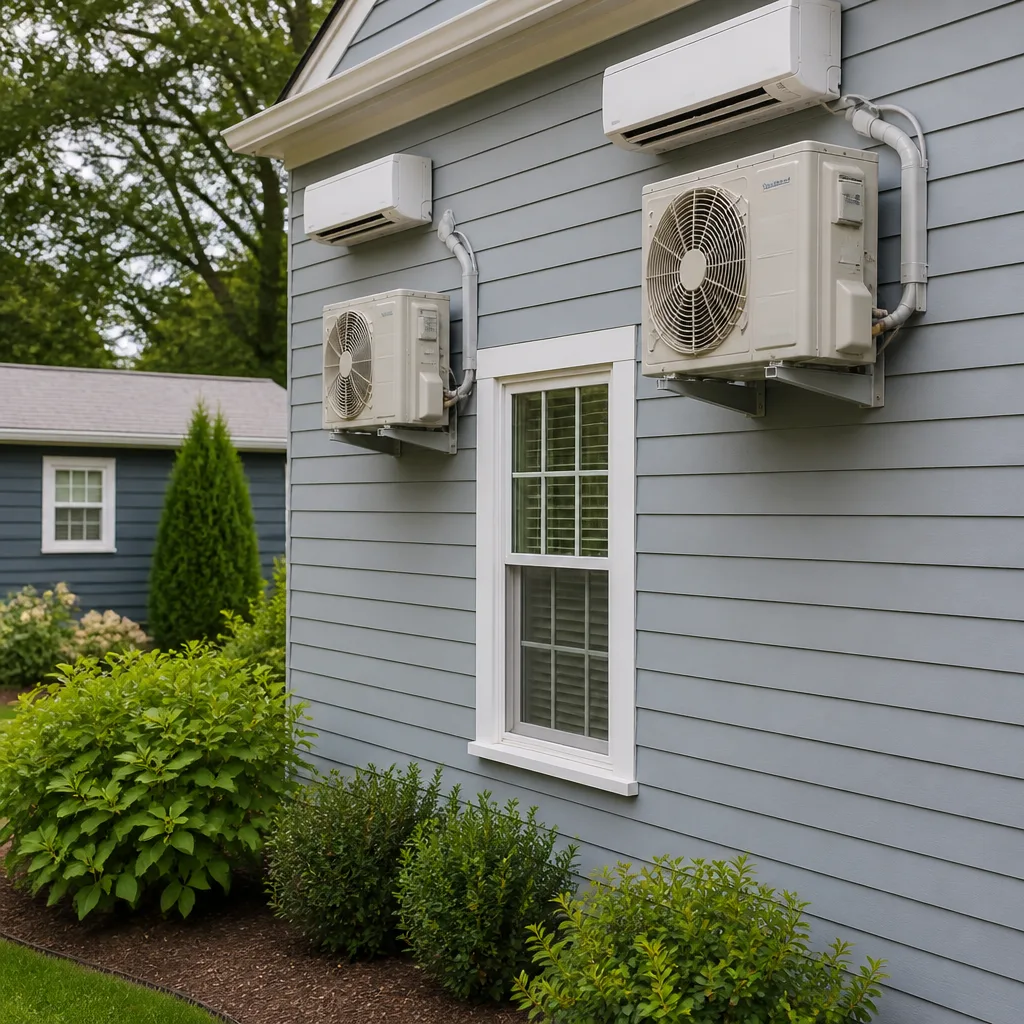 Ductless mini splits
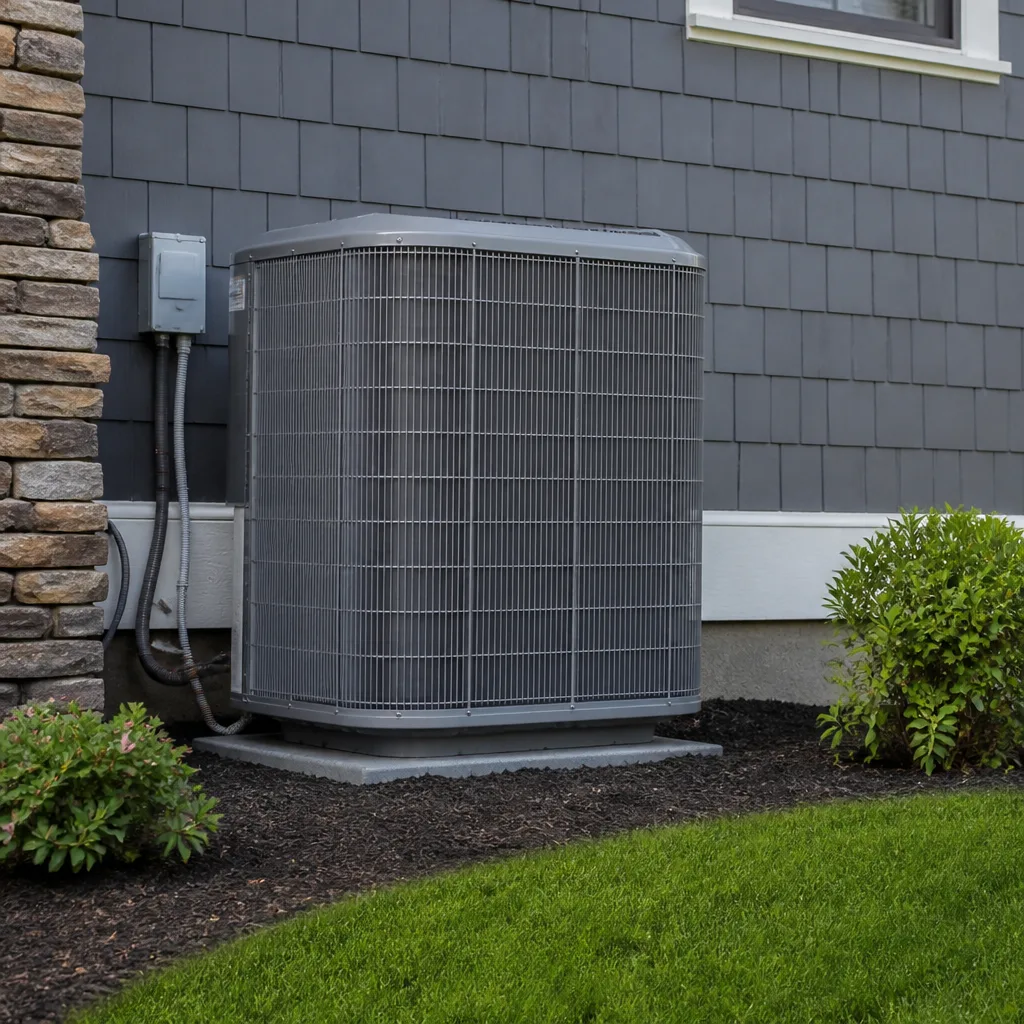 Carrier
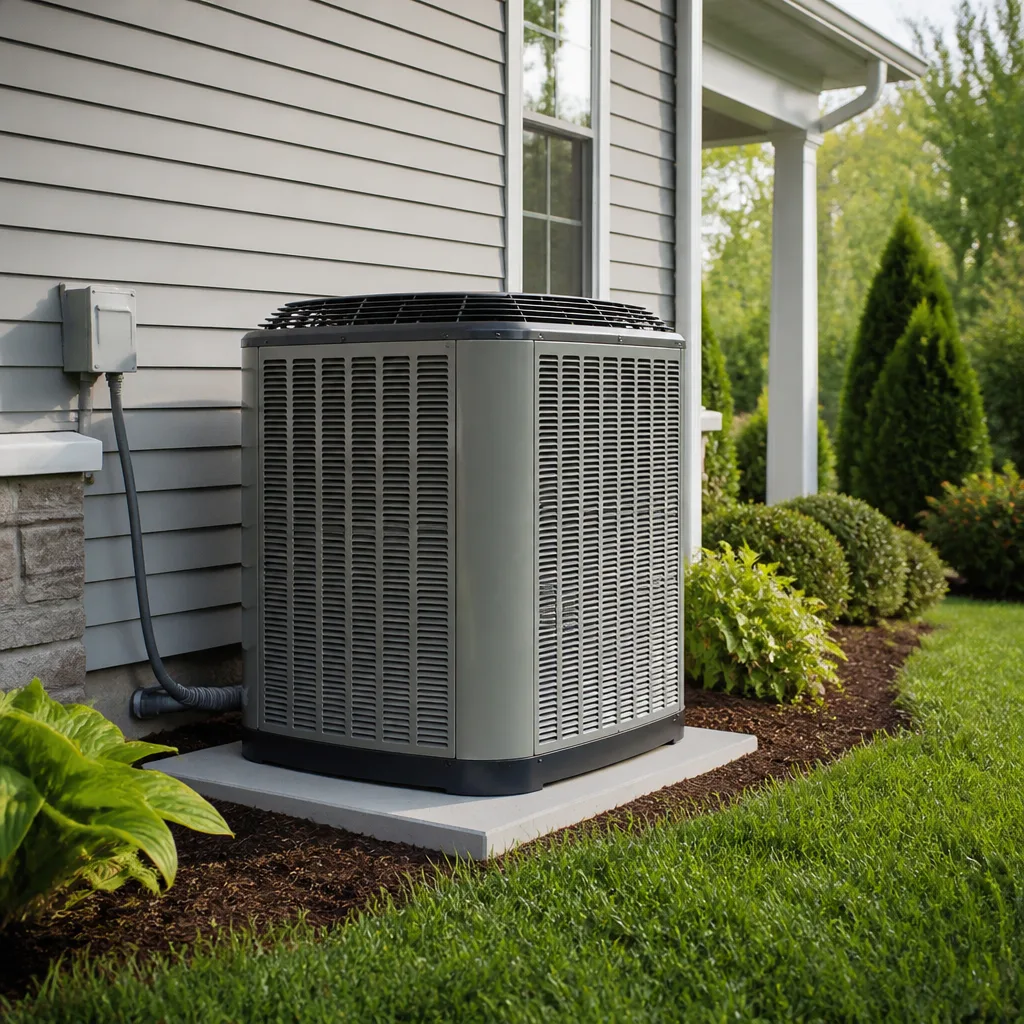 Trane
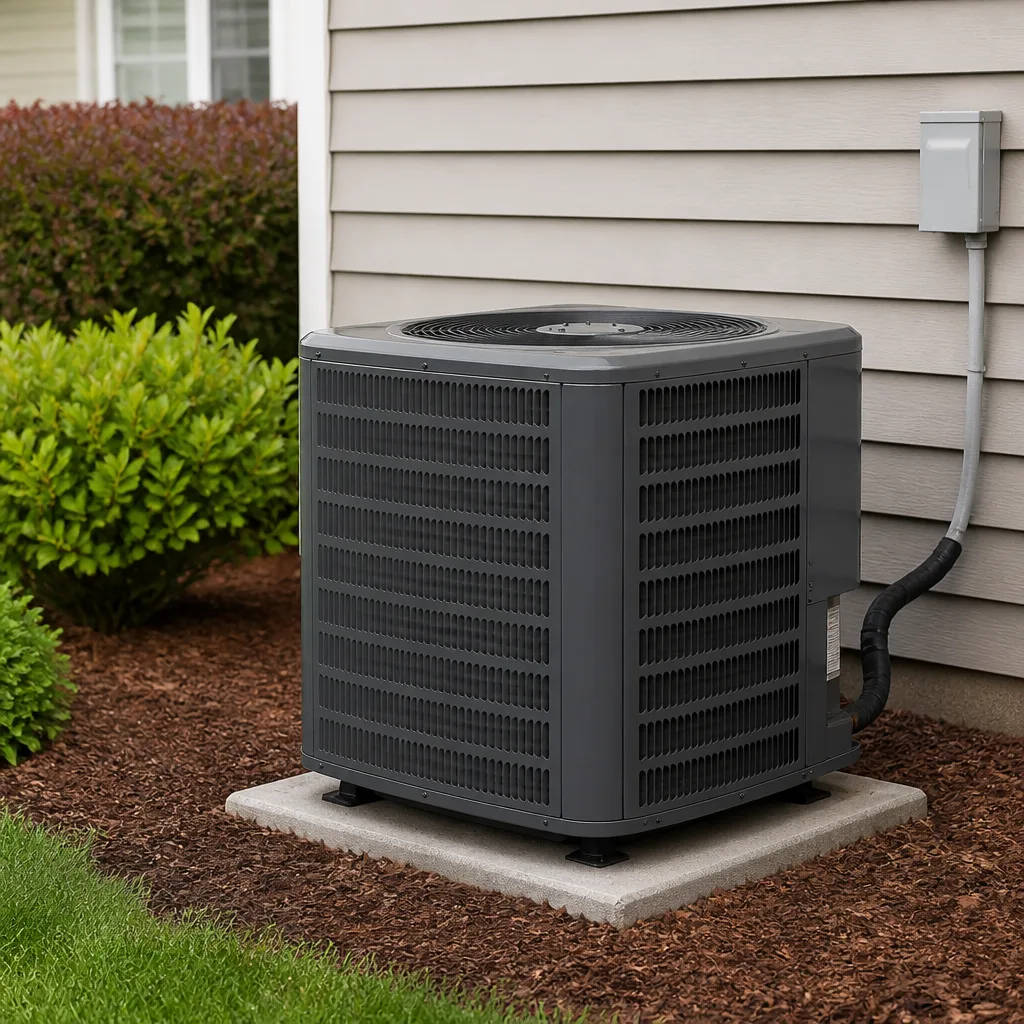 Goodman
Seasonal tune-up and full diagnostic on your Carrier, Trane, or Goodman system - readings shown to you before any repair is proposed
Diagnosis first, numbers second - you approve the repair price before a single part goes in.
Get your free estimateHVAC Emergency Preparedness Guide for Summerlin Homes
Most Summerlin homeowners treat a dead air conditioner as an annoyance that happens to other people, right up until it happens to them in mid-July. Here’s the counterintuitive part: the families who ride out a summer failure calmly aren’t luckier than the rest. They did their homework weeks earlier. They know their system’s model number, they have a service relationship already in place, and they’ve thought through which room to retreat to when the thermostat creeps toward triple digits. This guide is that homework. You’ll learn what to do in the first 30 minutes of a failure, how to pre-qualify a repair company before you need one, how to read the heat risk to the people in your household, and which interim cooling options actually work in Summerlin heat versus which just feel like they do.
Quick Answer
If your AC fails during peak Summerlin heat, the first move is to stop the house from gaining more heat before you wait for a technician: close every window, pull blinds and curtains on sun-facing glass, turn off every appliance that throws heat, and get vulnerable household members to the coolest interior room. Then call and get dispatched while you set up interim cooling. The single best preparation is choosing your repair company before a failure happens, so that the call is a two-minute conversation instead of a panicked search.
Styles & brands we work with
- AC installation
- Furnace & heating
- Heat pumps
- Ductless mini splits
- Carrier
- Trane
- Goodman
Table of Contents
- The First 30 Minutes of an AC Failure in Summerlin
- Indoor Heat Risk by Age Group: When to Shelter in Place and When to Leave
- How to Pre-Qualify an Emergency AC Service Before You Need One
- What to Have Ready Before You Call for Emergency Service
- Interim Cooling Options Ranked by What Actually Works in Summerlin Heat
- How Summerlin Home Construction Affects Your Failure Risk
- A Pre-Season Emergency Preparedness Checklist
- Pets, Medications and Sensitive Equipment: The Overlooked Casualties
The First 30 Minutes of an AC Failure in Summerlin
When the blower stops and the air turns warm, the clock starts. Summerlin sits in the Mojave high desert, where July afternoons push well past 100°F, and a sealed single-story home can climb fast once the cooling stops and the interior holds the heat it traps. The first half hour is about bending the temperature curve back as far as you can while help is on the way. You’re not trying to cool the house with your own two hands. You’re trying to stop it from getting hotter at full speed.
- Verify it’s actually broken, not just off. Check the thermostat is set to cool and the battery isn’t dead. Confirm the indoor and outdoor unit breakers haven’t tripped. Look at the air filter; a fully clogged filter can shut a system down hard. This takes two minutes and eliminates the most common false alarms.
- Shut the house tight. Close every window and exterior door. Seal the doors to any hot attached garage. A desert evening can be tempting to open up, but during peak heat the outside air is hotter than your interior, so opening up makes things worse, not better.
- Block the sun. Pull blinds and curtains on windows that face the afternoon sun. If you have exterior sunshades or a patio cover, use them. Glass is a radiator in reverse.
- Stop generating heat indoors. Turn off incandescent lights, don’t run the oven or dishwasher, and postpone laundry. Electronics throw heat too. Every appliance you switch off is one less furnace running in a closed box.
- Get vulnerable people to the coolest spot. That’s usually the lowest interior room with the fewest windows. Do it now, before anyone starts showing strain.
- Call and get on the dispatch list. Call (833) 317-1621. We answer 24/7, and dispatch runs 7am to 7pm, Sunday through Friday. Getting your name in the queue early matters far more than perfecting the house setup first.
Notice the order: the phone call happens early because a technician’s arrival time depends on when you get in line, not on how tidy your living room is. For a broader look at how repairs work across the valley, our AC repair page covers what a technician checks on arrival.
Indoor Heat Risk by Age Group: When to Shelter in Place and When to Leave
Here’s the part most homeowners never plan for. A failed AC in Summerlin isn’t a comfort problem, it’s a heat-exposure problem, and how much risk it carries depends almost entirely on who is in the house. General guidance from heat-safety sources treats 90°F indoor temperature as the line where you should start actively managing exposure, and 103°F as the point where most people should not be staying in the space. Those thresholds shift with age and health, so read them against your household.
- Infants and toddlers: Their bodies heat up faster and they can’t tell you clearly when they’re struggling. They generally need to be moved out of a room once it nears 85°F, well before the general 90°F threshold. Watch for fussiness, flushed skin, or unusual drowsiness.
- Adults 65 and older: Older bodies regulate temperature less efficiently and often don’t feel thirst or heat the way younger bodies do. Treat 90°F indoors as the point to relocate an elderly resident, not the point to start thinking about it.
- People with heart, lung, or chronic conditions, and those on certain medications: Some prescriptions change how the body handles heat. If someone in your home falls in this group, plan to leave the house earlier than the general threshold suggests, and check with their doctor about specific limits before summer.
- Healthy adults: Most can shelter in place up to about 90°F indoors while drinking water and using fans, but above 90°F the safe move is to relocate to a cooled space, a neighbor’s home, a family member’s place, or a public cooling location.
The practical takeaway: decide your relocation trigger in advance, based on the most vulnerable person in the home, not the most resilient one. If you have an infant or an elderly parent, your trigger might be 85°F. Write it down. When the thermostat is climbing at 11 p.m., you don’t want to be debating it.
How to Pre-Qualify an Emergency AC Service Before You Need One
The best time to choose a repair company is never during an emergency. The homeowners who handle a summer failure well have a relationship already in place, which means when something breaks they make one call, not ten. In our experience, the difference between a stressful failure and a manageable one comes down to five questions answered weeks before the failure happens.
- Will they work on your brand? This is the most common dead end. Some contractors only service the brands they sell. We’re trained to service nine of the industry’s dominant AC brands, including Carrier, Daikin, and American Standard, so you’re never told “we don’t work on that.” Ask any company you’re considering which brands they handle, and name yours specifically.
- Are they AC-only, or a generalist? A crew split across plumbing, electrical, and cooling is spread thin. Our model is three services and nothing else, so the technicians who answer your call diagnose air conditioning for a living.
- How do they diagnose? A brand-agnostic approach means the recommendation is driven by your system’s actual condition, not by which manufacturer pays them more to push. Ask directly: “If my system needs a part, will the repair be based on what’s wrong or on what brand you prefer?”
- Can they stay with you over the system’s whole life? The same company that installs a unit can maintain it annually and repair it when it fails. That continuity means no contractor juggling and no re-explaining your system every time.
- What’s the response process? Get it in plain terms. We answer 24/7 and run fast dispatch from 7am to 7pm, Sunday through Friday. Whatever a company promises, write it down so you’re not relying on memory under stress.
One more thing to get in writing: how the estimate works. We give free estimates and price per job by a written estimate, so the number you’re quoted is the number attached to the work. If a company won’t put that in writing, keep looking. For a sense of our full scope, see AC Repair Summerlin.
What to Have Ready Before You Call for Emergency Service
The two minutes you spend gathering information before you dial cut real time off the whole process. When a dispatcher has your model number and a clear symptom description, the technician can arrive already knowing what parts to think about and what tools to load. Here’s what to have in hand, ideally written on a card taped inside a kitchen cabinet long before you need it.
- Model and serial number. On a split system, the outdoor condenser unit carries a metal data plate on one of its side panels, usually near the top. The model number tells the technician the capacity and type; the serial number tells the age and build date. Both are printed together on that plate. On a packaged unit, the plate is on the exterior cabinet. Snap a photo of it now and keep it in your phone.
- The brand. Every brand has its own quirks and part availability. Ours covers Carrier, Trane, Lennox, Goodman, Rheem, York, Daikin, Bryant, and American Standard.
- A symptom description, specific. Not “it’s broken,” but: “The outside unit isn’t running but the inside fan is,” or “It’s running but blowing warm air,” or “The thermostat is blank.” Each points a technician down a different first path.
- The thermostat reading and your setpoint. “Set to 74, reading 88” is useful. “It’s hot” isn’t.
- What you’ve already checked. Breakers, filter, thermostat battery. Say what you tested so the technician doesn’t repeat it.
- Your address and gate or access details. Summerlin has plenty of gated communities and shared driveways. The access code, if there is one, saves a phone call the tech can’t take while driving.
Have this ready and your call is a 90-second handoff instead of a five-minute back-and-forth. Call (833) 317-1621 and we’ll take it from there.
Interim Cooling Options Ranked by What Actually Works in Summerlin Heat
Not every backup cooling idea is created equal, and some of the popular ones give false comfort. When the temperature in Summerlin is over 100°F outside, the way your body sheds heat matters as much as the air temperature around it. Here’s how the options stack up, ranked by real effectiveness in desert heat.
- Relocating to a cooled space. Ranked first because it’s not a trick, it’s a solution. A neighbor’s home, a family member’s place, or any air-conditioned public space removes the exposure entirely. For homes with infants, elderly residents, or anyone with a chronic condition, this is the answer, not the backup.
- Evaporative (swamp) cooling. In Summerlin’s dry desert air, an evaporative cooler genuinely works, because it cools by adding moisture to dry air. It’s far more effective here than it would be in a humid climate. The catch: it needs open airflow to work, so run it with a window cracked, and understand it raises indoor humidity, which some people find uncomfortable.
- Ceiling and box fans moving air directly on skin. Air movement helps your body shed heat through evaporation and convection. A fan pointed at a person is useful. A fan just spinning in an empty room does nothing. Use fans to cool people, not rooms.
- Wet towels on pulse points and cool showers. Physically cooling your body’s surface lowers core temperature faster than cooling the air around you. A cool shower, a damp towel on the wrists and neck, or cool compresses are surprisingly effective.
- Closing off one room and concentrating everyone in it. Smaller volume cools faster and holds temperature better. Pick the coolest, lowest room with the least glass. A portable unit or window unit in one room can make a real difference where the whole-house system can’t.
- Portable and window AC units. These work, but they need a vent to the outside to exhaust heat, and a poorly installed unit makes the room hotter. In Summerlin heat, a correctly vented unit in one room is a real tool; a poorly vented one is a heat source with a nice face.
What gives false comfort: running a whole-house fan or opening windows in the heat of the day, which pulls hot desert air in; relying on a fan in an empty room; and misting the walls or furniture, which does nothing useful and can cause moisture damage. Fans cool people, not rooms. That distinction is the whole game here.
How Summerlin Home Construction Affects Your Failure Risk
Summerlin isn’t a single uniform neighborhood, and where you live changes how a failure plays out. The valley’s newer builds generally carry tighter envelopes, better insulation, and more energy-efficient glazing, which buys you more time before indoor temperature becomes dangerous. Older pockets, homes with large west-facing glass, and homes with single-pane windows heat up much faster once cooling stops. A two-story home behaves differently from a single-story too, with the upper floor collecting the day’s heat and the lower floor staying cooler longer.
Roof material matters as well. A dark shingle roof soaks up desert sun and radiates it into the attic, which pushes heat down into the living space. Attic insulation depth and venting directly affect how hard your AC has to work on a 105°F afternoon, and a system that’s already straining is a system closer to failing. If your attic is under-insulated, that’s a preparedness fix you can make before summer, separate from anything the AC does.
Orientation is the often-overlooked factor. A home whose main living space faces west takes the full afternoon sun, so its peak load hits right when outdoor temperatures peak. A home facing east gets its sun in the morning and has an easier afternoon. Knowing your home’s orientation tells you which rooms to retreat to first during a failure and which rooms to keep sealed. For an overview of the area’s housing stock, our Summerlin page covers the neighborhoods we work in.
A Pre-Season Emergency Preparedness Checklist
This is the action plan you run through before the heat arrives, not during it. It takes an afternoon and covers what most homeowners wish they’d done when the compressor quits at the worst possible moment. Work through it once in spring, and you’re ready for the season.
- Write down your model and serial number. Photograph the data plate on the outdoor unit and store it in your phone. Do the same for a packaged unit if that’s what you have.
- Record your thermostat model and settings. Note the brand and the schedule you run. If you use a smart thermostat, make sure it’s connected and the app works on your phone.
- Pre-qualify your repair company. Call ahead and confirm they service your brand, that they’re AC-only, and how their emergency process works. We answer 24/7, and fast dispatch runs from 7am to 7pm, Sunday through Friday.
- Schedule a maintenance visit before peak season. A tune-up catches the failing capacitor, the clogged coil, and the filter that’s been ignored, before they turn into a July breakdown. Our AC installation and service pages explain how a well-maintained system performs.
- Decide your relocation trigger. Pick the indoor temperature at which you’ll leave, based on the most vulnerable person in your household. Write it down and tape it inside a cabinet.
- Identify your cool room. Choose the lowest, most interior room with the fewest windows and make sure it has somewhere for everyone to sit, sleep, or be comfortable.
- Stock basic supplies. Water, a few battery-powered fans, cool compresses, spare filter, and a charged power bank for phones.
- Keep an emergency card on the fridge. Repair company number, model and serial, your relocation trigger. Anyone in the house can find it in seconds.
If you’ve been putting off maintenance, a tune-up now is far cheaper than an emergency repair later. Call (833) 317-1621 to schedule one, free estimates included.
Pets, Medications and Sensitive Equipment: The Overlooked Casualties
When the AC dies in a Summerlin summer, the conversation usually centers on people. But three groups get forgotten, and they’re often the ones who suffer most. Plan for them like you plan for the family.
Pets. Dogs and cats can’t sweat efficiently the way people do; they pant, which works far better in dry air than in a sealed, overheating room. Flat-faced breeds, older animals, and small pets overheat fastest. During a failure, move pets to the coolest room, provide a shallow pan of cool water, and don’t leave them in a closed car or a sun-facing room. If you have to relocate the family, take the pets or arrange a cooled place for them.
Medications. Many common prescriptions degrade in heat, and a 90°F-plus indoor temperature over hours can affect some of them. Insulin, certain antibiotics, and some thyroid medications are heat-sensitive. Check the storage label, and if in doubt during a long outage, move medications to a cool location or a cooler with an ice pack.
Electronics and appliances. Computers, home servers, and some appliances run hotter in a hot room and can fail under sustained heat. If you have a home office or a server closet, know which of your electronics can’t tolerate the heat and shut them down proactively rather than letting them cook. A hot room can age electronics faster than the calendar does.
The point isn’t to alarm you. It’s that a good preparedness plan accounts for everyone in the home, not just the people who can tell you they’re uncomfortable. Our team has up to 12 years of experience handling cooling systems, and the questions about pets, medications, and equipment come up more than you’d think.
Common Mistakes to Avoid
- Opening the windows to “let the evening breeze in.” In Summerlin, evening air outside can still be hotter than the indoor air you’re trying to protect. Keep the house sealed when it’s hotter outside than in.
- Relying on fans to cool the room, not the person. A fan spinning in an empty room makes noise and does nothing. Air movement only helps when it reaches a body. Point fans at people.
- Calling ten companies and hoping one shows up. Picking the first available, unknown company during an emergency means you’re gambling on quality under stress. Pre-qualify one company before summer, and make one call.
- Waiting to see if the AC “recovers.” A system that’s shutting itself off on a hot afternoon is often protecting itself, and the underlying problem won’t fix itself. Get dispatched early rather than hoping it clears.
- Forgetting the air filter. A filter so clogged it chokes airflow can trip a system into shutdown. Checking it is one of the cheapest, fastest troubleshooting steps there is, and it gets overlooked constantly.
- Not knowing your model and serial number. Fumbling to read a data plate while on the phone with dispatch costs time you don’t have. Snap the photo in spring.
- Skipping maintenance because the system “seems fine.” Plenty of failures give no warning. A pre-season tune-up catches the small problems before they become the one that quits in July.
See the difference
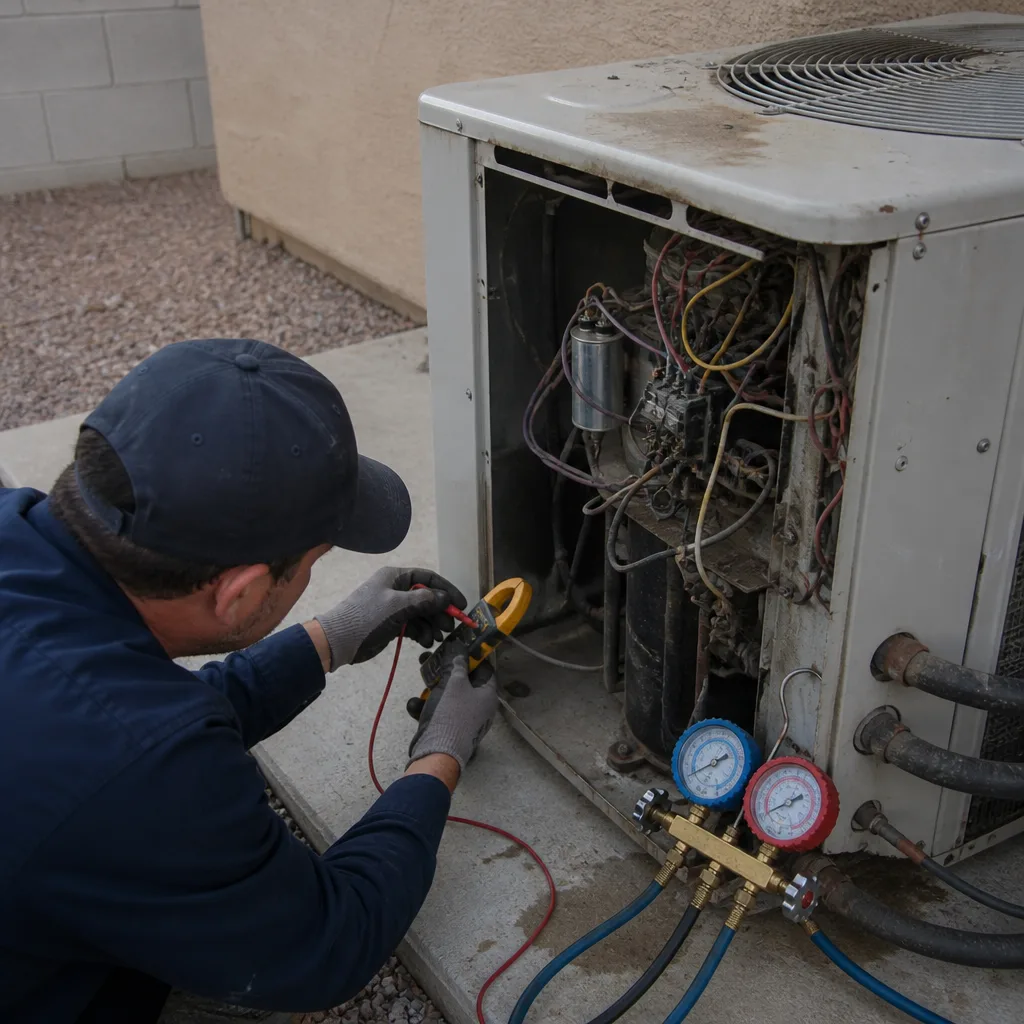 Before
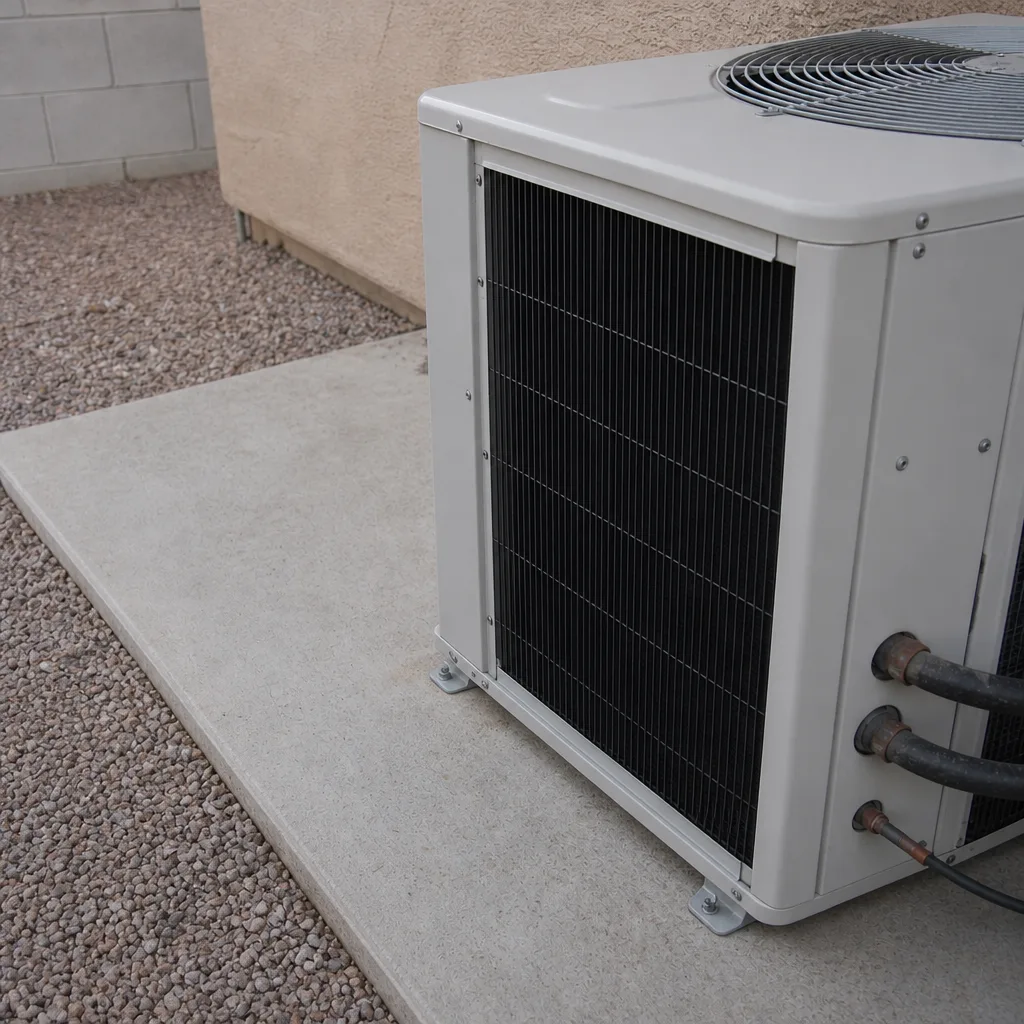 After
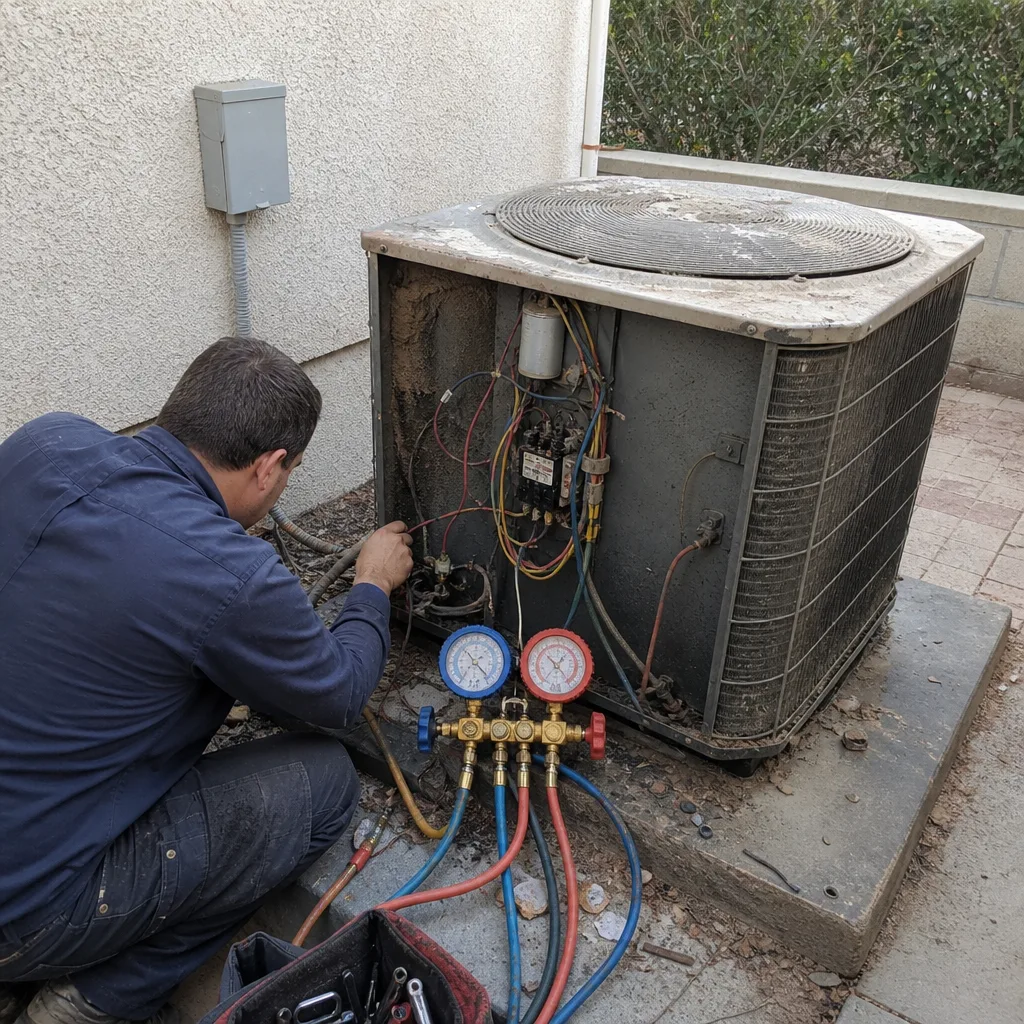 Before
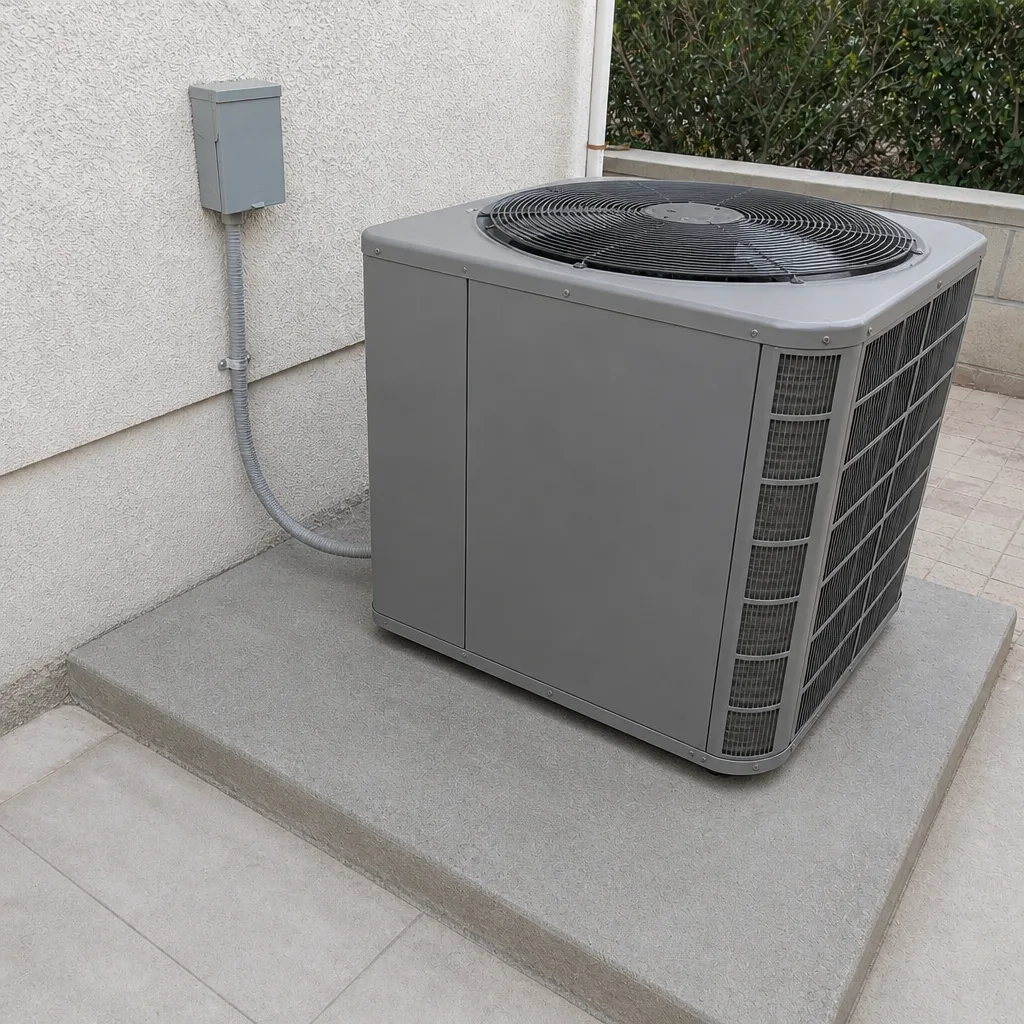 After
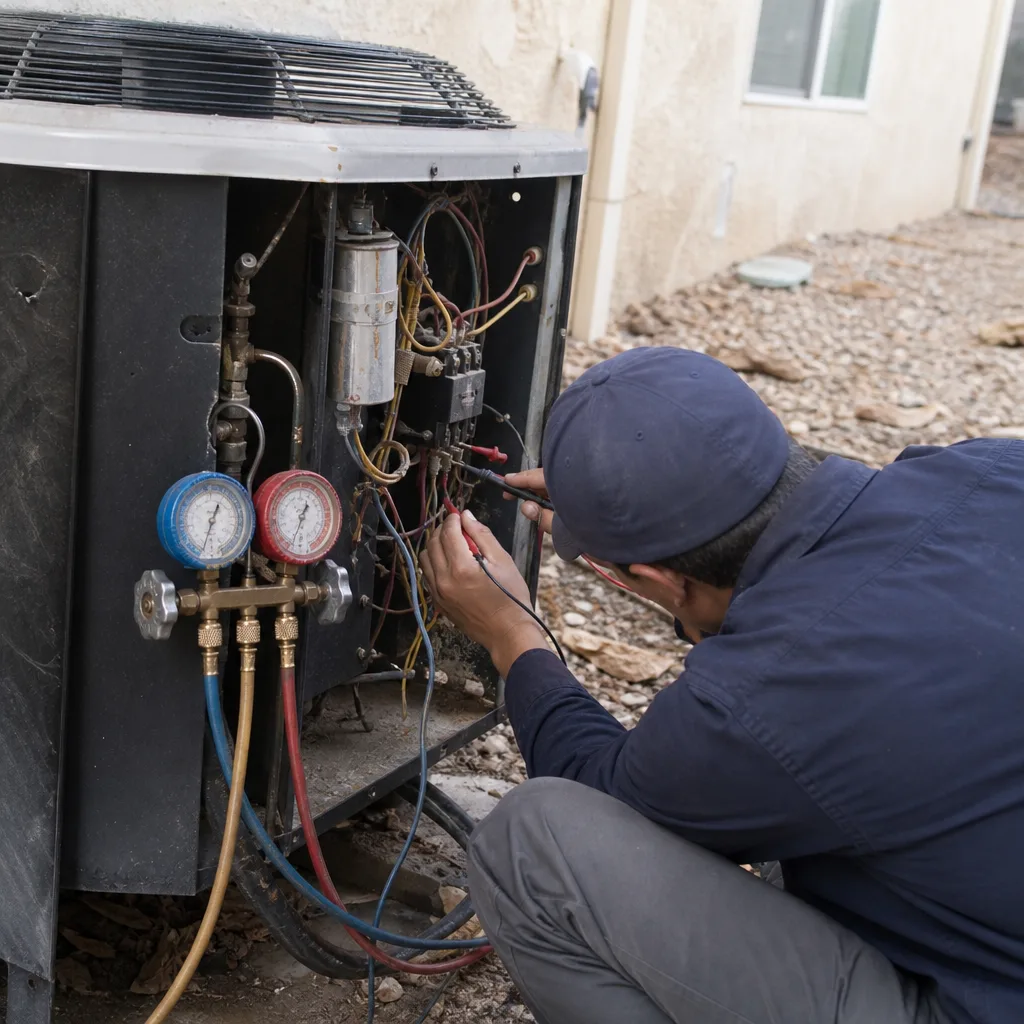 Before
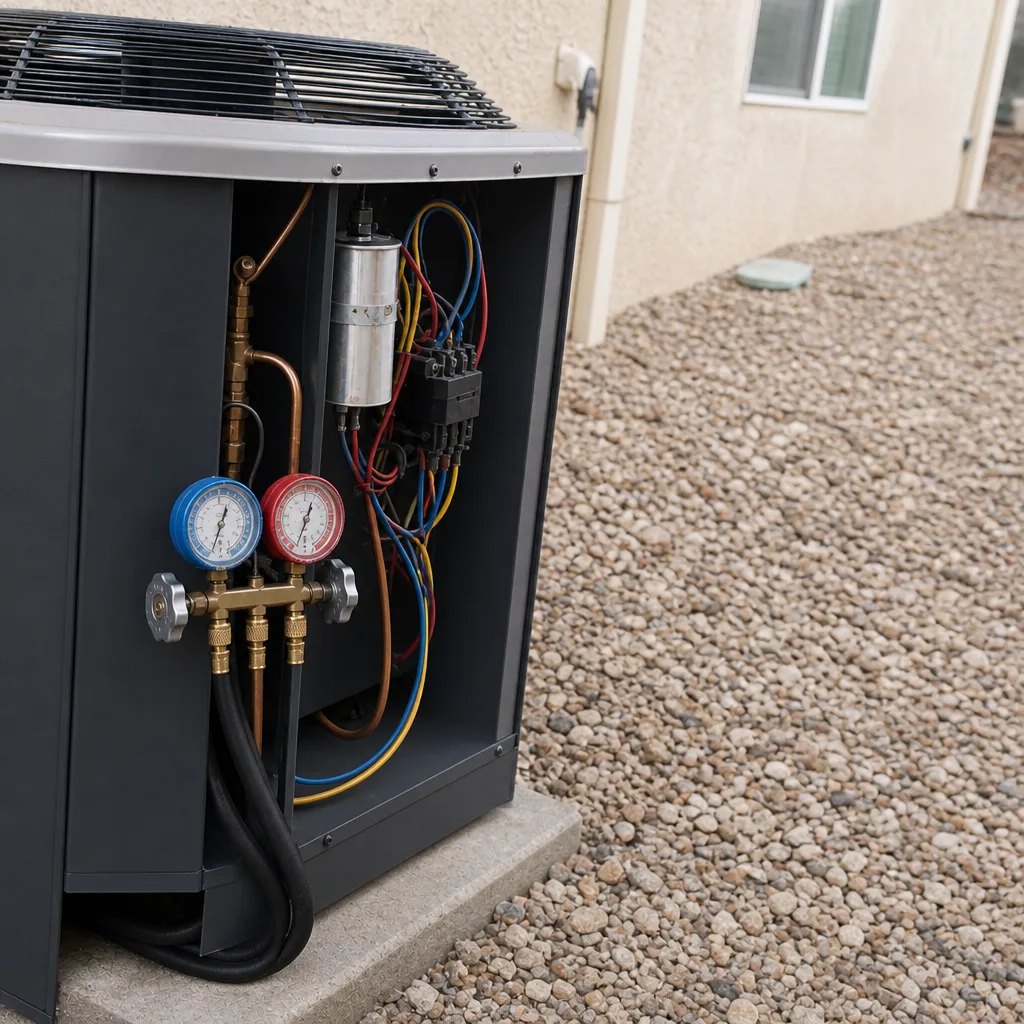 After
When to Call a Professional
Call a professional when the system won’t cool, when it’s cycling on and off every few minutes, when you hear grinding or screeching from the outdoor unit, when you smell burning or see ice on the refrigerant lines, or when a breaker keeps tripping. Those are signs the problem needs a trained eye, and some of them are genuinely dangerous to poke at. Beyond the equipment itself, call as soon as your indoor temperature is climbing and you have infants, elderly residents, or anyone with a chronic condition in the home. And call before peak season if you haven’t had a tune-up; catching the problem early is always easier than fixing it mid-breakdown. AC Repair Summerlin offers free estimates in Summerlin, so call (833) 317-1621. We answer 24/7, with fast dispatch from 7am to 7pm, Sunday through Friday.
Frequently Asked Questions
First, stop the house from gaining more heat: close windows, pull the blinds on sun-facing glass, shut off hot appliances, and move vulnerable people to the coolest room. Then call for service immediately so you’re in the queue. The order matters, but the call comes earlier than most people think. Call (833) 317-1621; we answer 24/7, with fast dispatch from 7am to 7pm, Sunday through Friday.
Treat about 90°F indoors as the general point to relocate, and around 85°F for infants, older adults, or anyone with a chronic condition. Above roughly 103°F indoors, most people should not stay in the space. Decide your trigger in advance based on the most vulnerable person in your home, and leave before you reach it.
We’re trained to service nine of the industry’s dominant AC brands, including Carrier, Trane, Lennox, Goodman, Rheem, York, Daikin, Bryant, and American Standard, so you’re not stuck with “we don’t work on that.” Our technicians diagnose the actual problem regardless of brand, and recommend repair based on your system’s condition. Call (833) 317-1621 and tell us your brand; estimates are free.
Call early, have your model and serial number ready, and describe the symptom specifically. Being in the dispatch queue first is what drives your arrival time more than anything else. We answer 24/7, and dispatch runs 7am to 7pm, Sunday through Friday. Call (833) 317-1621 for a free estimate.
Fans help people, not rooms. A fan moving air across your skin helps your body shed heat, so point fans at people rather than leaving them spinning in empty rooms. Fans don’t lower the room’s air temperature, so don’t expect them to cool the space itself. For a real cooling effect in Summerlin’s dry heat, an evaporative cooler or a correctly vented portable unit does more. Call (833) 317-1621 if your system is down and you need a repair.
Repair first when the failure is a fixable component like a capacitor, contactor, or relay, because the system still has life left. Replace when failures are frequent, the system is aging, and repairs are piling on top of each other. Our technicians walk you through the condition and cost of both paths and let the system’s state drive the recommendation. Call (833) 317-1621 for a free estimate on either.
The Bottom Line
An HVAC emergency in Summerlin is a heat-safety event, and the homeowners who manage it well prepared before the failure, not during it. Keep your model and serial number on hand. Know your indoor heat thresholds and your relocation trigger. Pre-qualify one AC-only company that services your brand, so your emergency call is a 90-second handoff. In the first 30 minutes of a failure, seal the house, block the sun, shut off heat sources, and move vulnerable people to the coolest room, then call. Fans cool people, not rooms. Prepare once, and you’ll spend the season knowing exactly what to do if the system quits. Call (833) 317-1621 for a free estimate. We answer 24/7, with fast dispatch from 7am to 7pm, Sunday through Friday.
Written by the team at AC Repair Summerlin.