
Last updated November 18, 2026
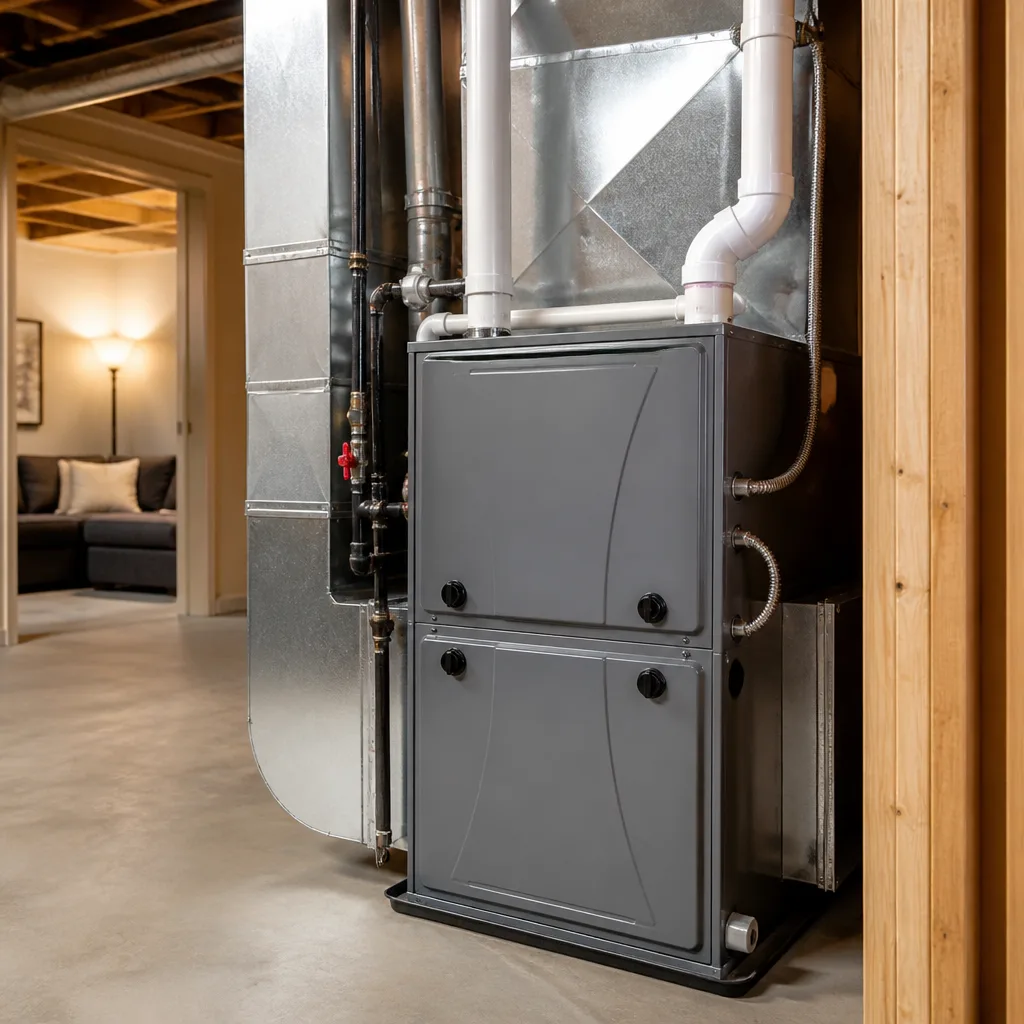 Furnace & heating
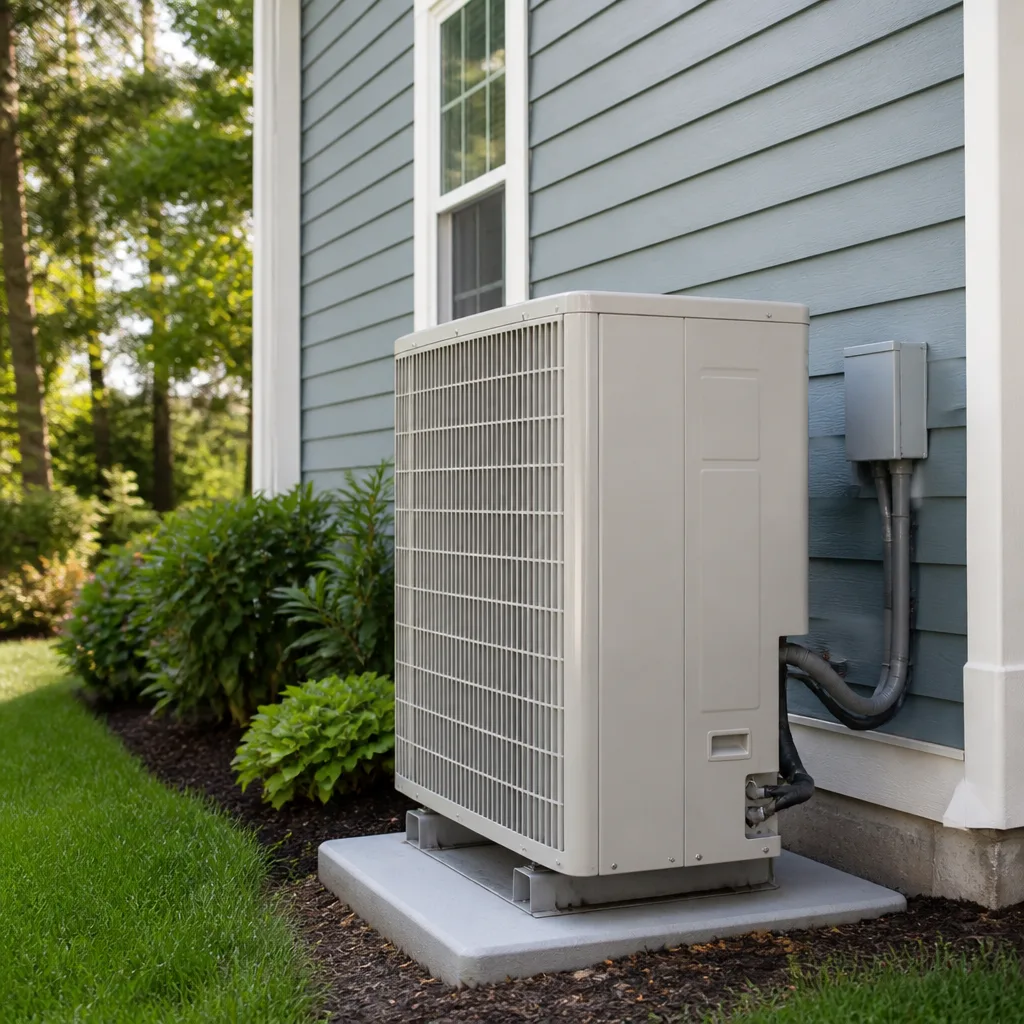 Heat pumps
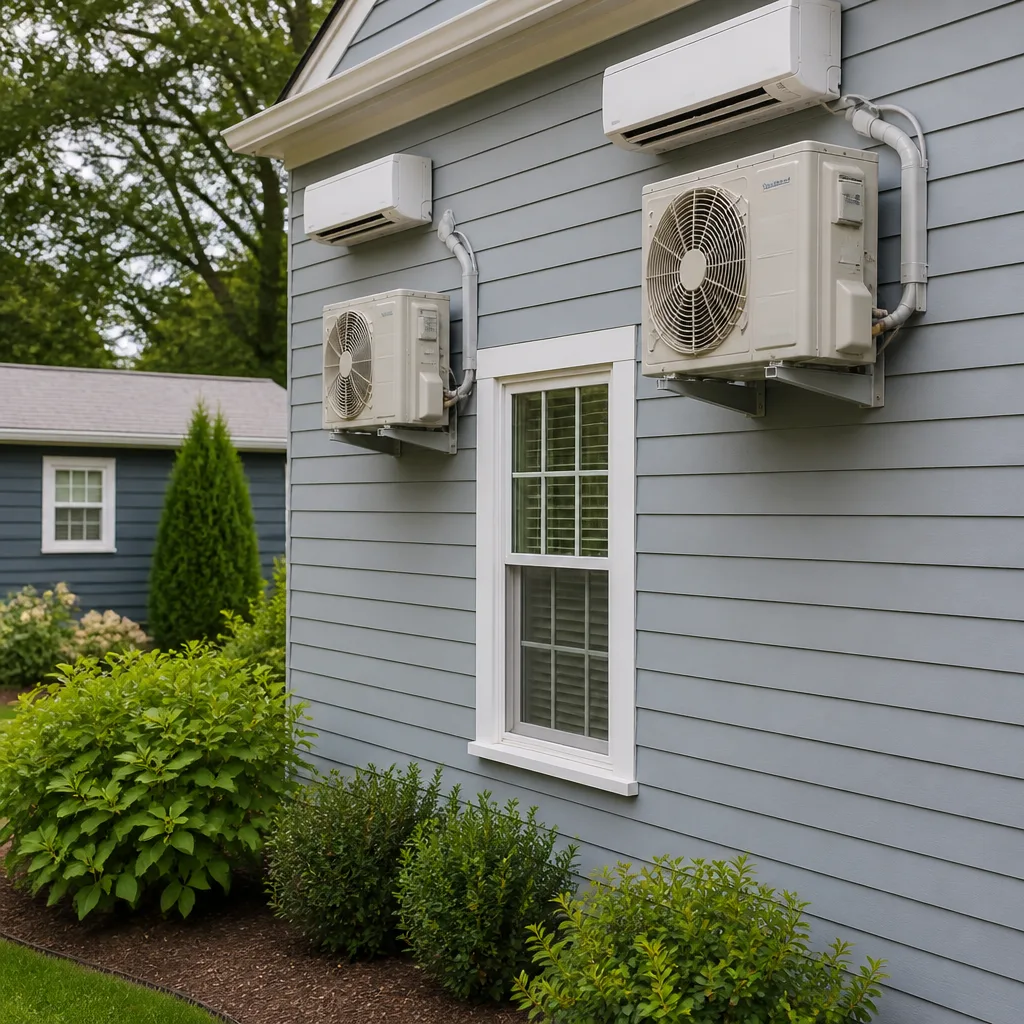 Ductless mini splits
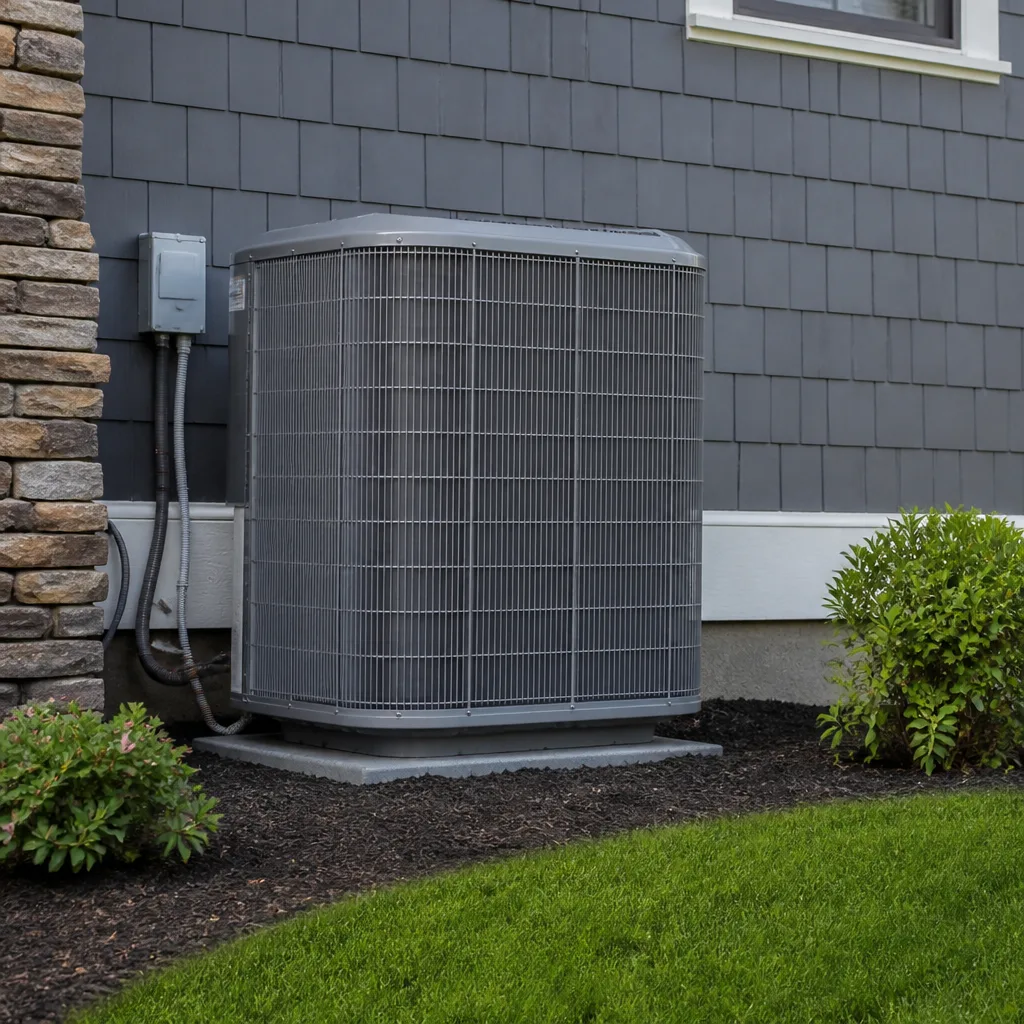 Carrier
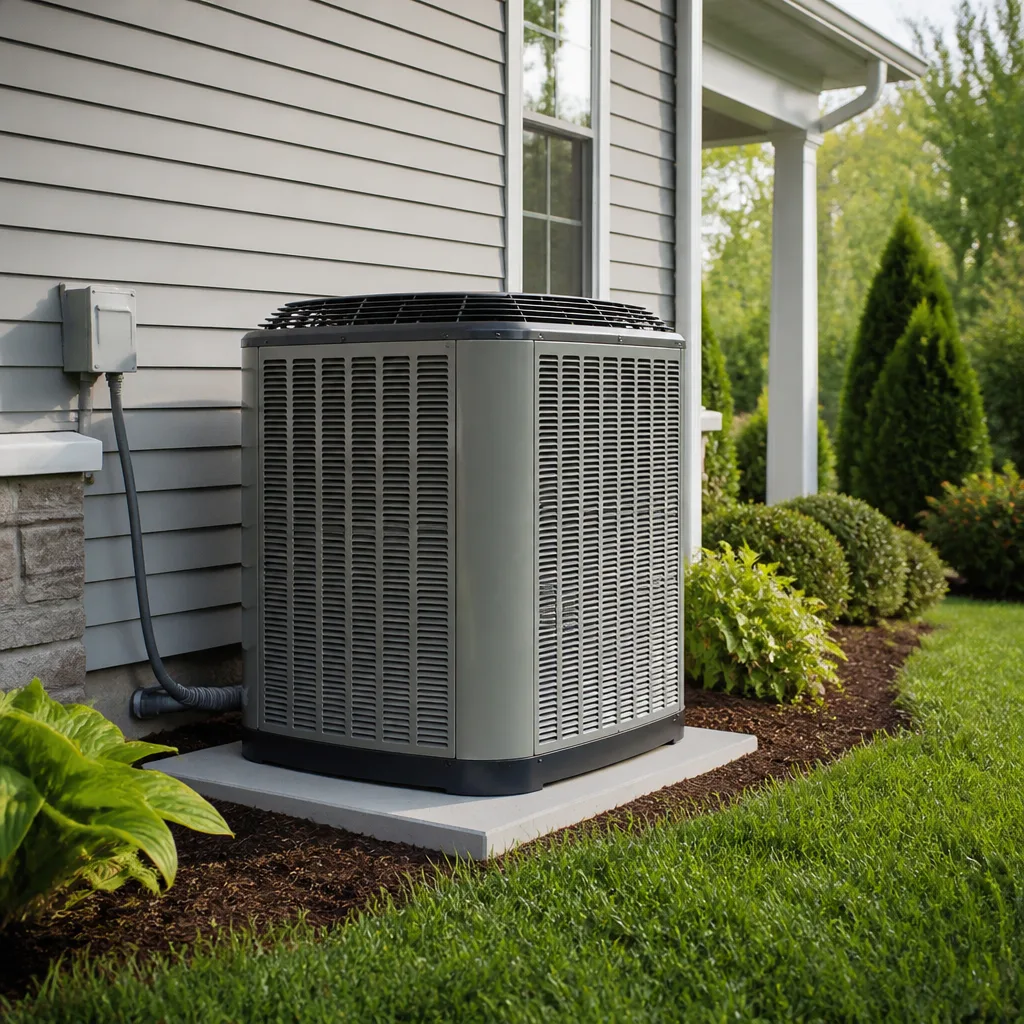 Trane
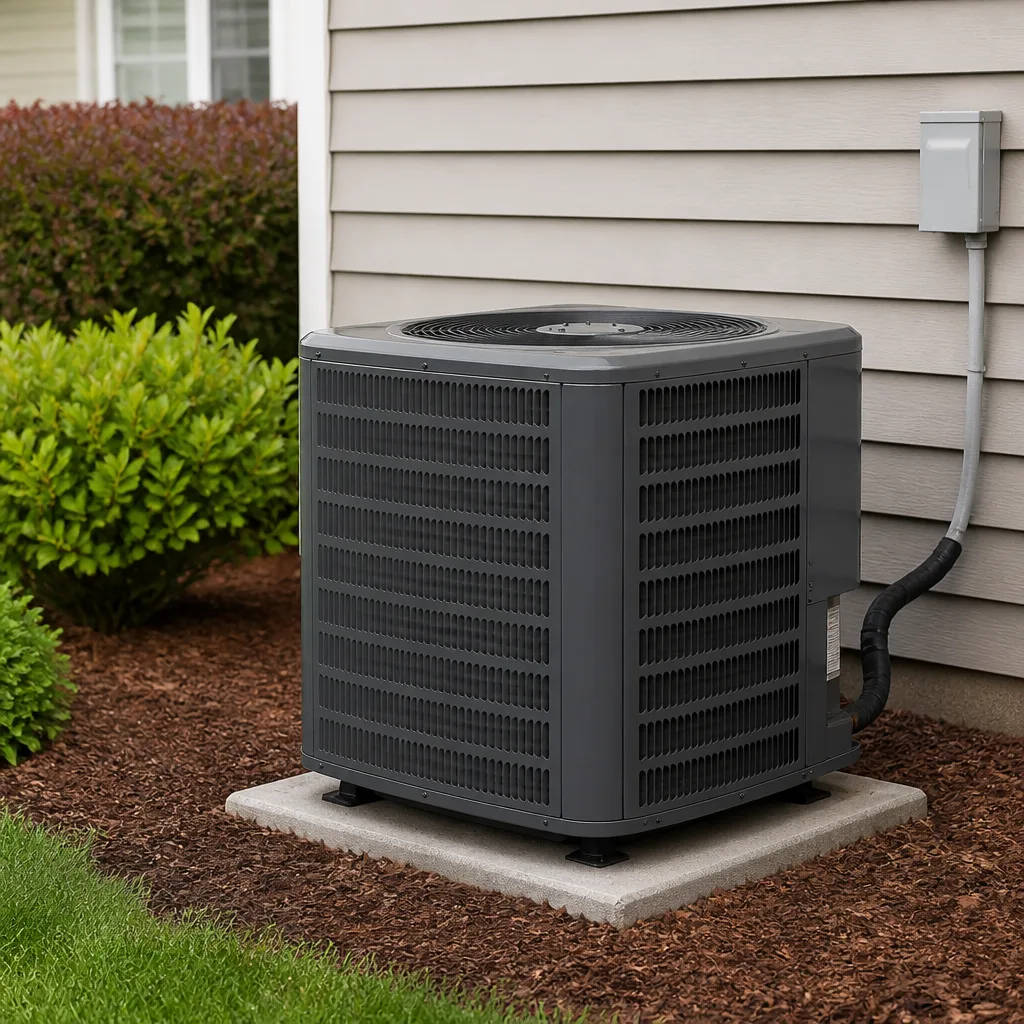 Goodman
Seasonal tune-up and full diagnostic on your Carrier, Trane, or Goodman system - readings shown to you before any repair is proposed
Diagnosis first, numbers second - you approve the repair price before a single part goes in.
Get your free estimateDIY vs Professional HVAC: The Summerlin Homeowner’s Decision Guide
Most homeowners assume the DIY-versus-pro question is about skill. It’s not. It’s about what happens when a repair attempt goes wrong at 112°F in Summerlin, where the gap between “system offline” and “house too hot to stay in” is measured in hours, not days. Replacing a capacitor is a legal DIY task in Nevada. Handling refrigerant without EPA 608 certification carries a federal fine of up to $44,539 per day, a line that enthusiastic YouTube tutorials routinely encourage homeowners to cross. This guide draws hard lines around which tasks are genuinely safe to attempt, which carry legal exposure most people never anticipate, and how to calculate your own margin for error before you touch anything.
Quick Answer
In Summerlin, homeowner-safe DIY work is limited to air filter changes, coil brushing, and thermostat replacement. Everything else – refrigerant, compressor, electrical components beyond a thermostat swap, and full system diagnosis – requires either an EPA 608 certification or a licensed C-21d air conditioning contractor under Nevada statute. At peak summer heat, a failed DIY attempt leaves you roughly three hours to restore cooling before indoor temperatures reach a dangerous range, which is why the cost of guessing wrong usually exceeds the cost of calling a specialist first.
Styles & brands we work with
- AC installation
- Furnace & heating
- Heat pumps
- Ductless mini splits
- Carrier
- Trane
- Goodman
Table of Contents
- Where Nevada Draws the Legal Line on DIY AC Work
- The Three DIY Tasks Worth Your Time in Summerlin
- The Summerlin Heat Window: How Fast a Failed Repair Turns Dangerous
- What DIY Repair Does to Your Manufacturer Warranty
- When Calling a Pro First Costs Less Than the DIY Attempt
- Why Brand-Agnostic Diagnosis Changes the Math
- A Step-by-Step Decision Framework
- Common Mistakes to Avoid
- When to Call a Professional
Where Nevada Draws the Legal Line on DIY AC Work
The legal boundary isn’t a matter of opinion or contractor protectionism. Federal and state rules define exactly what a homeowner may legally do to their own cooling equipment, and refrigerant sits on the far side of that line.
Under Section 608 of the Clean Air Act, any person who handles refrigerants – including the small charge in a residential split system – must hold EPA Section 608 certification. That means buying refrigerant, connecting gauges to a sealed system, recovering refrigerant, or recharging a system after a leak is not a legal DIY activity, full stop. The enforcement mechanism is financial: penalties can reach $44,539 per day per violation. Hobbyist forums and video tutorials that walk viewers through a “quick top-off” are describing an activity that carries federal liability.
At the state level, Nevada requires air conditioning repair work to be performed by a licensed contractor holding the appropriate C-21d classification. This covers the work most homeowners would think of as “the professional stuff”: compressor replacement, refrigerant line work, capacitor and contactor replacement inside the electrical panel of the condenser, and diagnosis that involves opening the sealed refrigerant circuit or the high-voltage section of the unit.
Where the line falls in plain terms:
- Legal for homeowners: filter changes, exterior coil cleaning with a brush or garden hose, thermostat replacement on low-voltage wiring, clearing debris from around the condenser.
- Requires EPA 608 certification: anything involving refrigerant – charging, recovery, leak repair, line connections.
- Requires a licensed C-21d contractor: compressor work, electrical component replacement inside the unit, sealed-system diagnosis, and any repair that opens the high-voltage or refrigerant circuit.
A capacitor swap may not require the same licensing as refrigerant work under some readings, but it sits inside a live electrical cabinet with a stored charge that can injure or kill. We treat it as professional territory, and so should you.
The Three DIY Tasks Worth Your Time in Summerlin
Three maintenance tasks deliver real value without legal or physical risk: filter changes, coil brushing, and thermostat replacement. Everything else is either legally restricted or dangerous enough that the payoff doesn’t justify the exposure.
- Air filter changes. The single highest-return task a homeowner can do. In Summerlin’s dust-heavy desert environment, filters load faster than in humid climates because wind-blown particulate from open desert and construction sites is a constant. A clogged filter restricts airflow, which raises head pressure, forces the compressor to work harder, and shortens equipment life. Change it monthly during cooling season. No tools, no risk, meaningful savings.
- Exterior coil brushing. The condenser coil on the outdoor unit collects dust, cottonwood seed, and debris. A soft brush and a garden hose on low pressure, with the power off at the disconnect, clears the coil face and restores heat rejection. Brush vertically along the fins, never bend them, and never use a pressure washer. This is safe, quick, and directly improves efficiency during the months when every degree of performance matters.
- Thermostat replacement. Swapping a thermostat is legal and, on low-voltage systems, genuinely DIY-friendly. Turn the air handler off at the breaker, photograph the wire terminals before disconnecting anything, and match wire-for-wire on the new unit. If your system uses a communicating thermostat or a proprietary control protocol – common on newer Daikin and Bryant systems – stop and call a specialist. The wiring is not standard and a mismatch can damage the control board.
These three tasks are the entire safe DIY list. If a repair requires a screwdriver inside the electrical cabinet, gauges on the refrigerant lines, or a multimeter on a live circuit, it belongs to a technician.
The Summerlin Heat Window: How Fast a Failed Repair Turns Dangerous
In Summerlin, the margin for error on a failed DIY repair is measured in hours. This is the single fact that changes the DIY calculus compared to almost anywhere else in the country.
When outdoor temperatures sit near 115°F, indoor temperatures in a home without working cooling can climb into the danger zone – generally considered above 90°F for vulnerable occupants – in under three hours. That estimate assumes a reasonably insulated house. Older Summerlin homes with single-pane windows, west-facing exposures in neighborhoods like The Trails or Sun City, or homes with significant glass area can reach that threshold faster.
Now layer on what a failed DIY attempt actually looks like. A homeowner who pulls the disconnect, opens the panel, and discovers the problem is beyond their comfort doesn’t lose ten minutes. They lose the time to diagnose what they misdiagnosed, reassemble, call a specialist, wait for dispatch, and complete the actual repair. On a 112°F afternoon, that sequence easily runs four to six hours – well past the point where the house is uncomfortable and into the range where it becomes a health concern for children, elderly residents, and anyone with cardiovascular or respiratory conditions.
The practical takeaway: any DIY attempt that could leave the system offline for more than an hour should be treated as a professional job, because the recovery time from a failed attempt is longer than the attempt itself. If you’re going to try something and fail, you need to fail fast and have a specialist already lined up. Running a diagnostic experiment at 2pm on a July afternoon with no Plan B is how a manageable repair becomes an emergency.
What DIY Repair Does to Your Manufacturer Warranty
Manufacturer warranties on cooling equipment routinely require that repairs be performed by licensed professionals, and non-compliant repairs can void coverage – including on parts that fail later for unrelated reasons.
Warranty language varies by brand, and some manufacturers are stricter than others. In our experience servicing equipment across nine major brands, the enforcement varies just as much as the written policy. Here’s how the landscape generally breaks down:
- Strictest enforcement: Carrier, Trane, and Lennox tend to have the most detailed documentation requirements and the most consistent enforcement when a claim is submitted. A part failure with evidence of homeowner involvement in a sealed-system repair is the kind of claim that gets scrutinized closely.
- Moderately strict: Rheem and York follow similar language but tend to be more forgiving on maintenance-adjacent work like thermostat swaps, provided the underlying failure isn’t clearly tied to the DIY work.
- Variable by product line: Daikin and Bryant have broader product ranges, and warranty enforcement can differ between their entry-level and premium lines. Documentation matters more than brand here.
- Consistently documented: American Standard and Goodman, like the others, require licensed repair for warranty coverage, but the practical outcome depends heavily on whether the technician who later diagnoses the failure can document the system’s history.
The bottom line: if a compressor fails two years after a homeowner tried to top off refrigerant themselves, the manufacturer has a documented reason to deny the claim. A five-year parts warranty on a compressor is worth real money. The refrigerant “fix” that voided it cost nothing compared to the loss. If you’re unsure whether a task touches warranty-covered components, ask before you start. Our AC repair technicians can tell you in a single visit whether your equipment’s coverage is intact.
When Calling a Pro First Costs Less Than the DIY Attempt
The most common example of a DIY attempt costing more than the professional repair is capacitor misdiagnosis that damages the compressor. It happens often enough that we treat it as a predictable failure mode rather than an outlier.
Here’s the sequence. A system stops cooling. The homeowner researches, concludes it’s a capacitor (it often is), buys a replacement, and installs it. But a failed capacitor is frequently a symptom, not the cause. The actual problem might be a failing compressor drawing locked-rotor amps, a contactor that’s pitted and chattering, or a system that’s low on refrigerant and overheating the compressor windings. The new capacitor lets the compressor start – briefly – on a system that’s already failing. The compressor burns out. Now the repair is no longer a component swap; it’s a compressor replacement, which is among the most expensive repairs on a residential system.
The same math applies across a range of scenarios:
- Refrigerant top-off: Adding refrigerant to a system with an undiagnosed leak doesn’t fix the system and violates federal law. A proper leak search and repair is the only legal path, and doing it first is cheaper than the alternative.
- Thermostat replacement on a communicating system: A mismatched thermostat on a proprietary control protocol can damage the control board, turning a simple swap into a board replacement.
- Coil cleaning with a pressure washer: Bending the condenser fins restricts airflow permanently. A new coil costs far more than a professional cleaning.
- Electrical component swaps: A contactor installed with the wrong amperage rating will fail and can take the compressor with it.
In our experience, the cases that go wrong share a pattern: the homeowner correctly identified a problem but not the problem, and the partial fix masked the real failure long enough for it to compound. A diagnostic visit resolves that in one pass. If you’re not certain what’s failing, getting a professional diagnosis before you buy parts is the cheaper path.
Why Brand-Agnostic Diagnosis Changes the Math
One of the quieter reasons DIY seems attractive is the fear of being sold something you don’t need. A specialist who diagnoses the actual system condition rather than steering toward a particular manufacturer removes that fear, which removes much of the incentive to DIY in the first place.
Our approach is deliberately narrow. We work on three things – repair, installation, and maintenance – and nothing else. No plumbing, no electrical beyond what the cooling system requires, no general handyman work. That focus means a technician arrives knowing how to read the fault codes on your specific equipment, not guessing at them. We service Carrier, Trane, Lennox, Goodman, Rheem, York, Daikin, Bryant, and American Standard, so there’s no “we don’t work on that brand” dead end.
That breadth matters more than it sounds when you’re deciding whether to DIY. If you know the specialist can work on whatever brand you own, the calculation changes. You’re not weighing “try it myself versus find someone who’ll handle my brand” – you’re weighing “try it myself versus call the people who already have the diagnostic path.” On equipment as varied as a Rheem heat pump and a Daikin inverter system, the diagnostic sequence is different, and having that knowledge on the first visit shortens the repair.
Brand neutrality cuts the other way too. A technician who isn’t incentivized toward a specific manufacturer has no reason to recommend replacement when repair will do. That’s the “repair first” posture we work from. For equipment in Summerlin, where cooling load runs high for most of the year and mechanical wear accumulates faster than in milder climates, honest triage matters. The right answer for your system is the one based on its condition, not on what’s convenient for the contractor.
For new equipment, brand-agnostic guidance means matching the system to the house. A load calculation, correct sizing, and a compatible match between indoor and outdoor units matter more than the badge on the cabinet. Our AC installation work is sized from the house, not from whatever is easiest to source.
A Step-by-Step Decision Framework
Before you pick up a tool, run the repair through this sequence. It takes about two minutes and settles most of the ambiguity.
- Does the task involve refrigerant? If yes, stop. It requires EPA 608 certification and a licensed contractor. This includes charging, recovery, leak repair, and any connection to the sealed refrigerant circuit.
- Does the task involve opening the high-voltage electrical cabinet or touching components inside the condenser? If yes, stop. Capacitors, contactors, and compressor wiring belong to a licensed C-21d technician, and the stored charge is dangerous regardless of the licensing question.
- Does the task touch a proprietary or communicating control system? If yes, call a specialist. Standard thermostats are DIY-safe; communicating units are not.
- Is it a filter change, coil brushing, or a standard thermostat swap? If yes, you can do it. Use the correct filter size, power down before touching the unit, and photograph wiring before disconnecting anything.
- Is the system currently offline and the outdoor temperature above 105°F? If yes, call a professional immediately. The heat window doesn’t give you time for a diagnostic experiment.
- Is the equipment under a manufacturer warranty? If yes, check the warranty terms before DIY work of any kind. Some tasks that seem safe can complicate a claim later.
- Are you uncertain what’s actually failing? If yes, pay for a diagnosis before buying parts. Guessing is where the cost escalates.
The framework works for equipment of any age, but it matters most on systems with inverter technology and proprietary controls, where the failure modes aren’t visible from the outside. On a system that’s already on its last legs, the framework should also trigger the repair-or-replace question – which is a professional call, not a DIY one.
Why Maintenance Changes the DIY Question Entirely
Most DIY repairs happen because a system failed, and most system failures were preventable. That’s the part of this decision that gets lost in the repair-versus-DIY debate.
Filters, coils, refrigerant charge, electrical connections, and condensate drainage all degrade slowly and predictably. A system that receives annual inspection and cleaning has fewer failures to begin with, so the homeowner faces fewer decisions about whether to attempt a repair. The relationship shifts from reactive to proactive, and the equipment lives longer before replacement becomes the answer.
What a maintenance visit actually covers:
- Filter inspection and replacement guidance based on your system’s airflow needs
- Condenser and evaporator coil cleaning
- Refrigerant charge verification against the manufacturer’s specified range
- Electrical connection tightening and testing
- Condensate drain clearing to prevent water damage and shutdowns
- A written report of what was found and what it means
Summerlin’s dust environment makes the filter and coil portions of that list more valuable here than in most places, because particulate loading happens faster. A system running a dirty coil and a clogged filter at 110°F outdoor temperature is a system working against itself.
Common Mistakes to Avoid
- Diagnosing by symptom instead of by test. A system that won’t cool could be a capacitor, a compressor, a refrigerant leak, or a control board fault. Buying a part based on what a video said is how a $200 repair becomes a $2,000 compressor replacement. Test the actual failure before you spend anything.
- Topping off refrigerant yourself. Beyond the federal penalty, adding refrigerant to a leaking system masks the leak and lets the compressor run out of spec. It’s the single most expensive shortcut in residential cooling.
- Using a pressure washer on the condenser coil. Summerlin’s dust makes the coil look like it needs aggressive cleaning. It doesn’t. Bent fins restrict airflow permanently, and the correction is a new coil.
- Ignoring the heat window. Attempting a repair at 2pm on a July afternoon in Summerlin with no fallback plan is a decision about how long your family will be without cooling, not a decision about the repair. If the temperature is above 105°F and the system is down, call.
- Skipping the warranty check. Non-licensed repair work can void coverage on parts that fail later, and manufacturers vary in how strictly they enforce it. Confirm the terms before you touch a warranty-covered component.
- Swapping a thermostat without checking the control protocol. Standard low-voltage thermostats are fine. Communicating systems on Bryant or Daikin equipment need a matched thermostat, and the wrong one can damage the board.
- Letting a small leak become a big one. Slow refrigerant loss shows up as reduced cooling and rising electric bills. Deferring the leak search doesn’t make the leak go away; it makes the eventual repair bigger.
When to Call a Professional
Call a professional when the repair involves refrigerant, the high-voltage electrical cabinet, a sealed-system diagnosis, or any task on a system that’s currently offline in high heat. Call when the equipment is under warranty and you’re unsure what’s covered. Call when the system has been repaired before for the same symptom, because a repeat failure usually means the first diagnosis was incomplete. And call when you’ve already replaced a part and the problem persists, since compounding guesses is where the cost really mounts.
We answer 24/7. Fast dispatch from 7am to 7pm, Sunday through Friday. On a day when your house is heating up, that timeline is the whole point. AC Repair Summerlin offers free estimates in Summerlin – call (833) 317-1621.
Our technicians have up to 12 years of experience, and we work on the nine major brands so you’re not turned away for owning the wrong label. If you’ve been researching a repair and want an honest read on whether it’s a DIY job or a professional one, we’ll tell you on the call.
See the difference
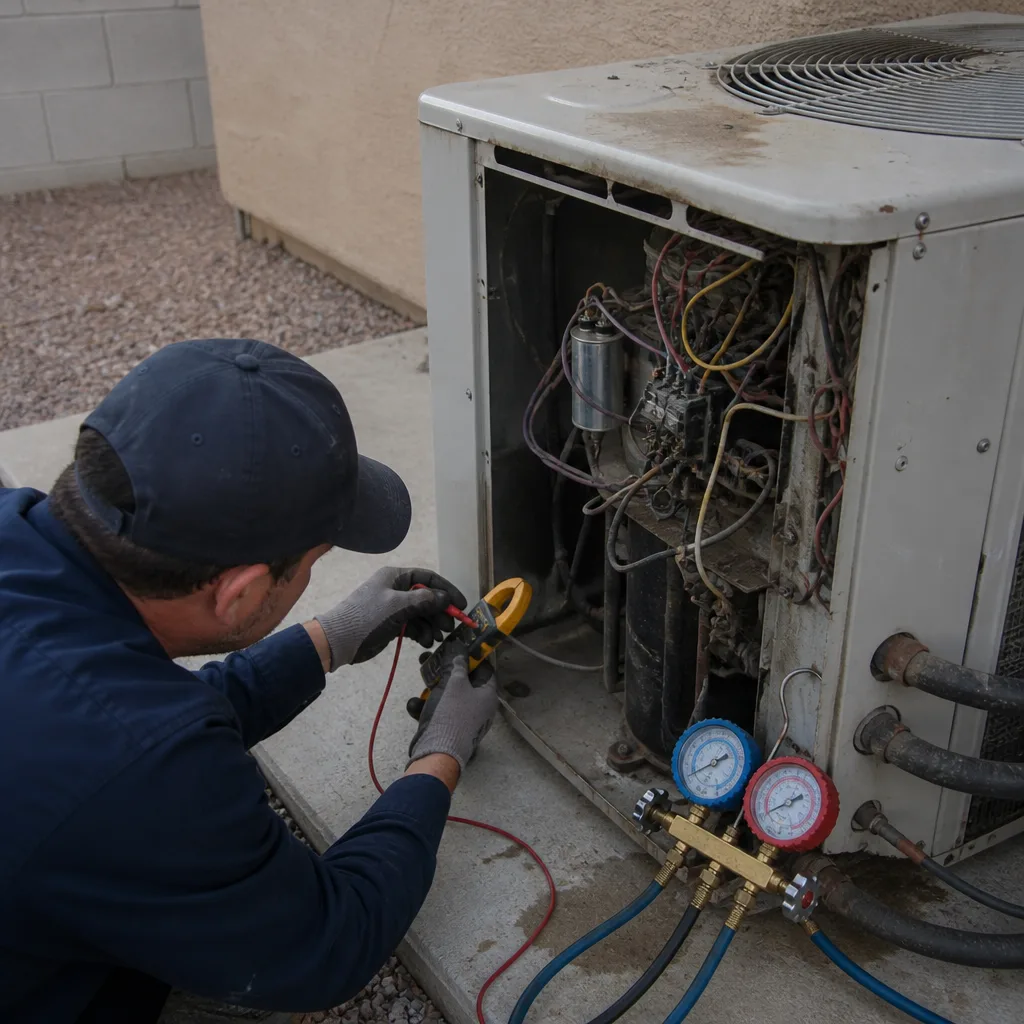 Before
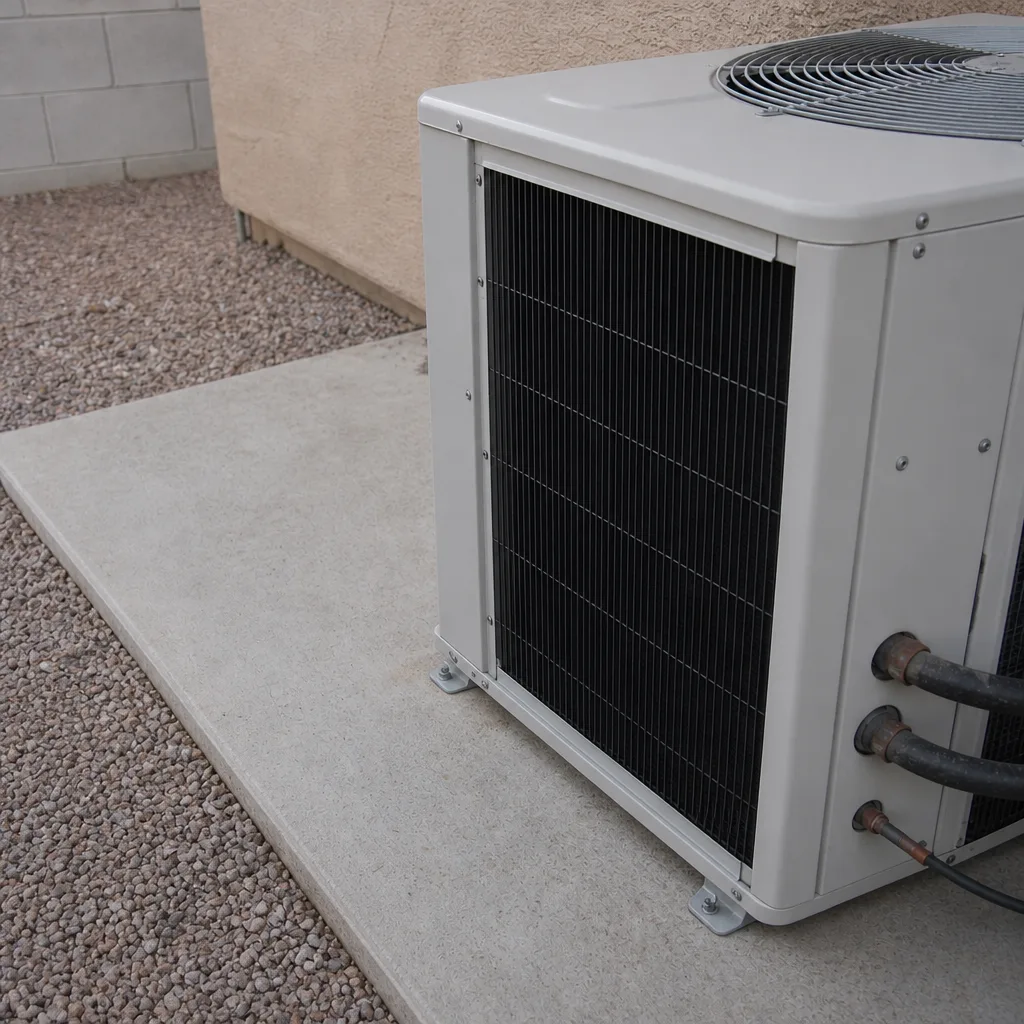 After
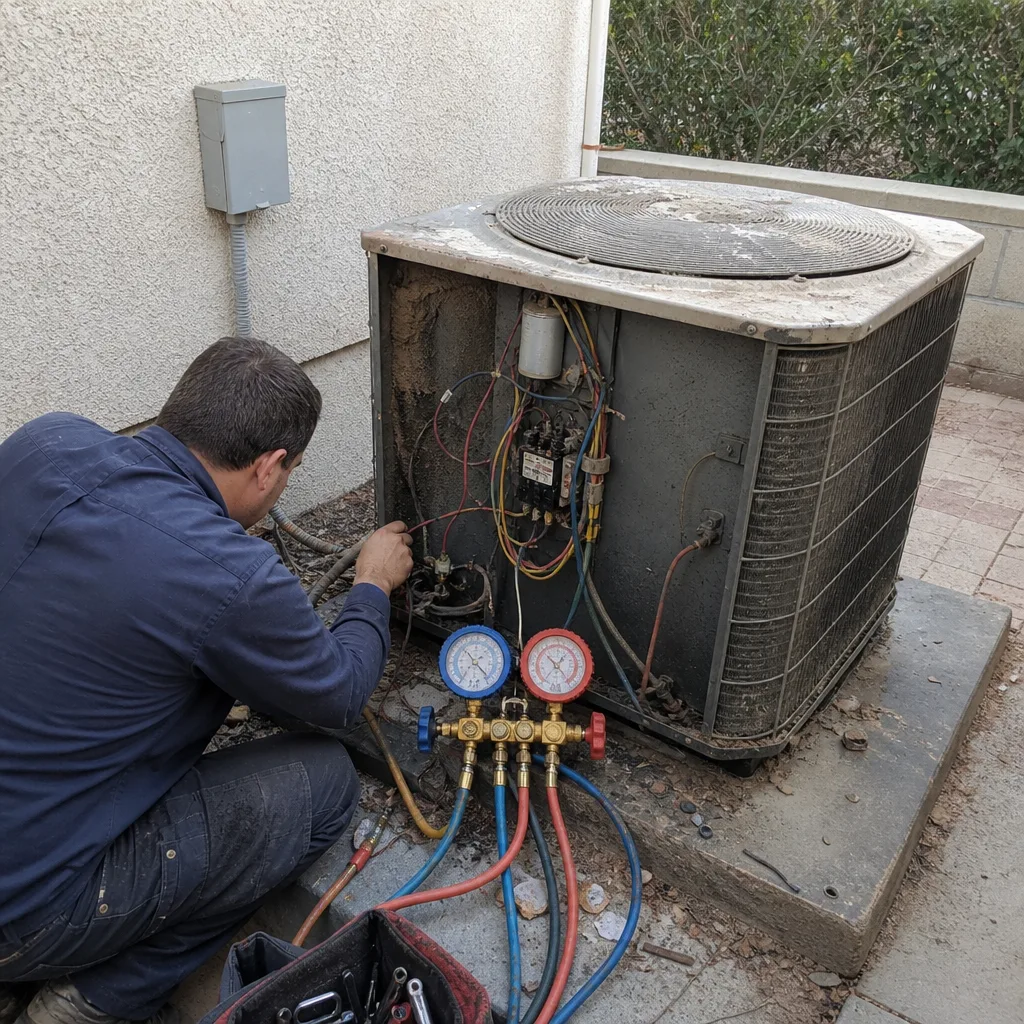 Before
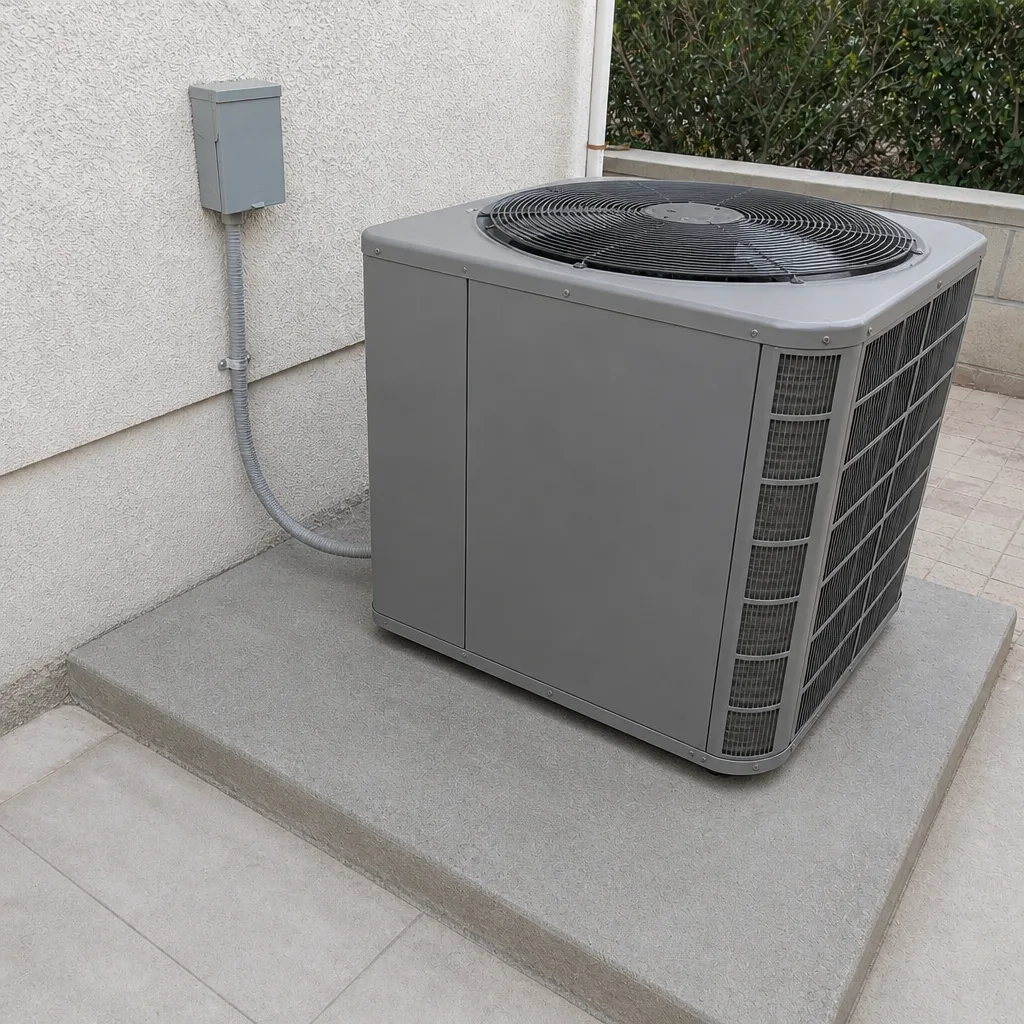 After
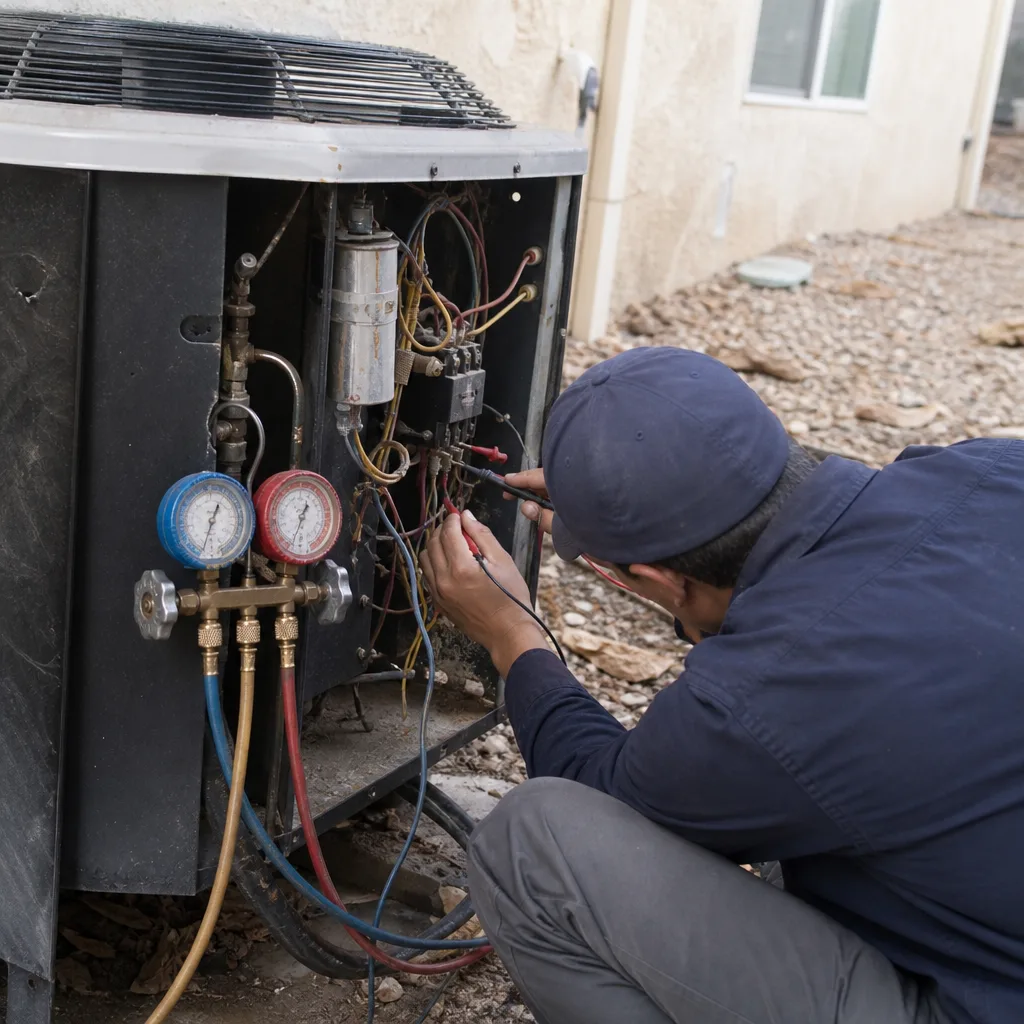 Before
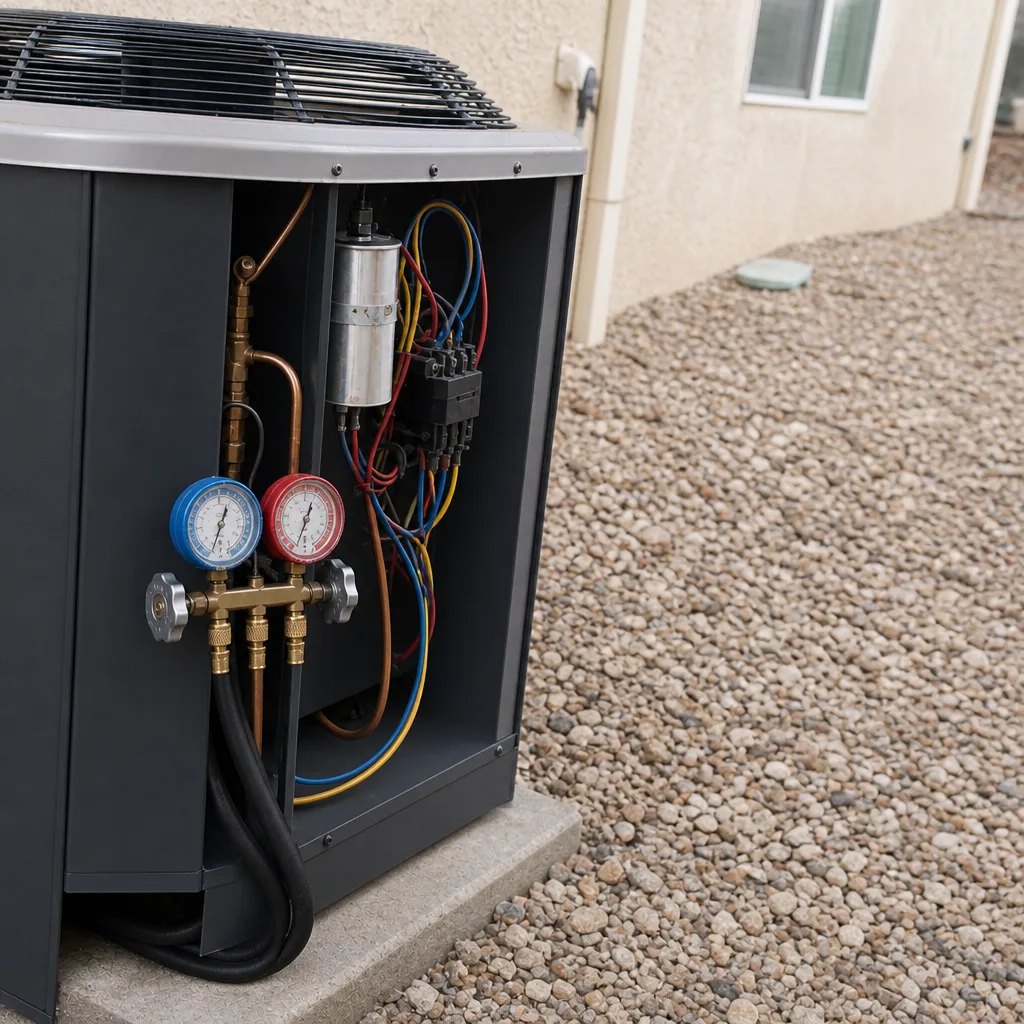 After
Frequently Asked Questions
Replacing a capacitor may fall outside the licensing requirement for refrigerant work, but we don’t recommend it. The capacitor sits inside a live electrical cabinet with a stored charge capable of serious injury, and a misdiagnosed capacitor is one of the most common paths to compressor damage. Call (833) 317-1621 for a diagnosis before you buy the part.
Penalties can reach up to $44,539 per day per violation under Section 608 of the Clean Air Act. That applies to homeowners as well as technicians. Any task that connects to the sealed refrigerant circuit requires certification, which is why we route all refrigerant work through licensed technicians.
At outdoor temperatures near 115°F, a home without working cooling can reach the danger zone in under three hours. Homes with single-pane windows, large west-facing glass, or older insulation can reach it faster. If your system is down in peak summer, treat it as urgent rather than something to diagnose at your own pace.
It can. Most manufacturers require licensed repairs for warranty coverage, and some – Carrier, Trane, and Lennox in particular – enforce documentation requirements closely. If a compressor or coil fails later, evidence of non-licensed work is a documented reason to deny the claim. Ask before you start.
Filter changes, exterior coil brushing with the power off, and standard thermostat replacement on low-voltage wiring are the three tasks worth doing yourself. Everything else involves either refrigerant, high-voltage electrical work, or a proprietary control system, and belongs to a technician. Call (833) 317-1621 if you’re unsure which category your task falls into.
We service nine major brands: Carrier, Trane, Lennox, Goodman, Rheem, York, Daikin, Bryant, and American Standard. That coverage means you won’t hit a dead end on brand compatibility. Call (833) 317-1621 for a free estimate.
For a broader look at how we serve the area, start with AC Repair Summerlin. If you’re weighing a repair against a replacement on an aging system, our guide to the Summerlin cooling market walks through the local factors that shape that decision.
The Bottom Line
The DIY-versus-pro question in Summerlin comes down to three things: what the law allows you to touch, how much warranty coverage your equipment has, and how fast your house heats up when the system goes offline. Filters, coil brushing, and standard thermostat swaps are worth your time. Refrigerant, compressor work, electrical components inside the cabinet, and proprietary control systems belong to a licensed specialist. At 115°F, the margin for error is a few hours, and a misdiagnosed capacitor can turn a cheap repair into a compressor replacement. When the risk outweighs the savings, call (833) 317-1621 for a free estimate. We answer 24/7. Fast dispatch from 7am to 7pm, Sunday through Friday.
Written by the team at AC Repair Summerlin.