
Last updated November 18, 2026
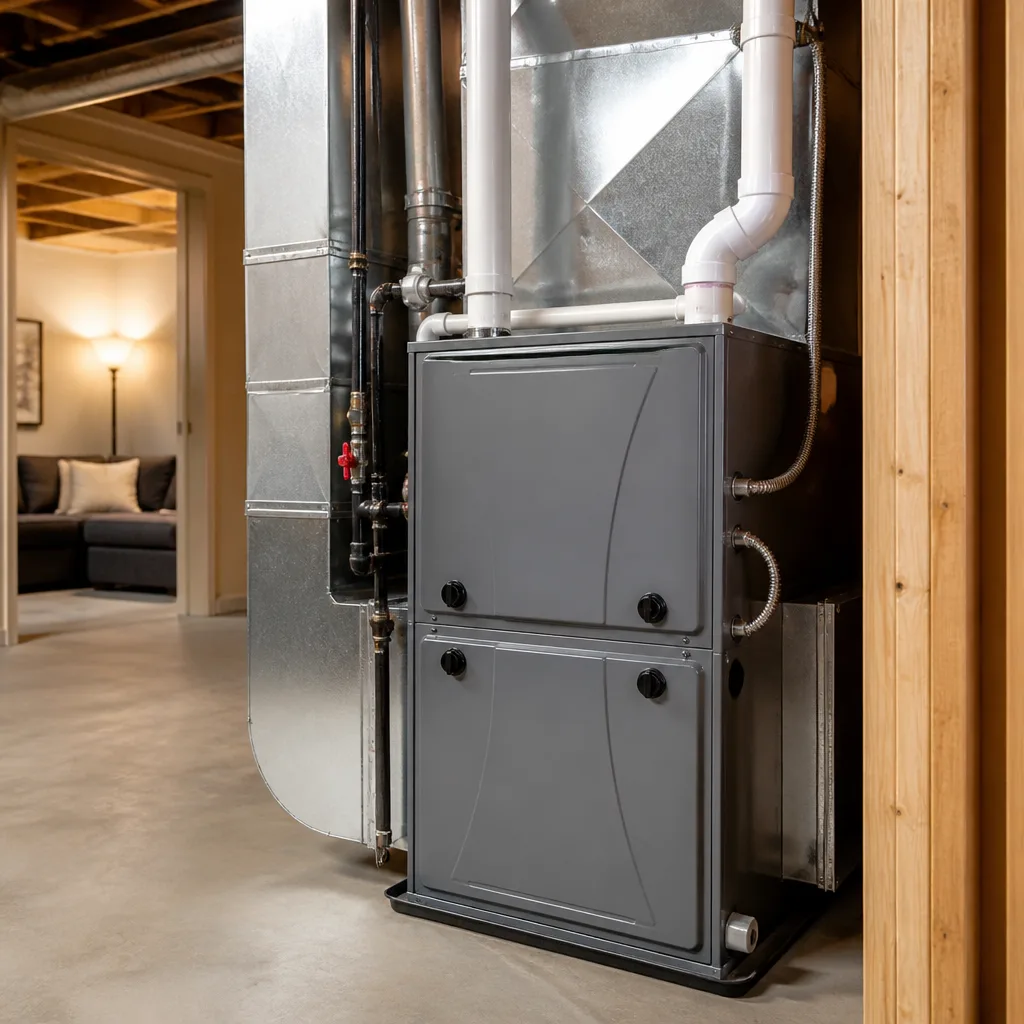 Furnace & heating
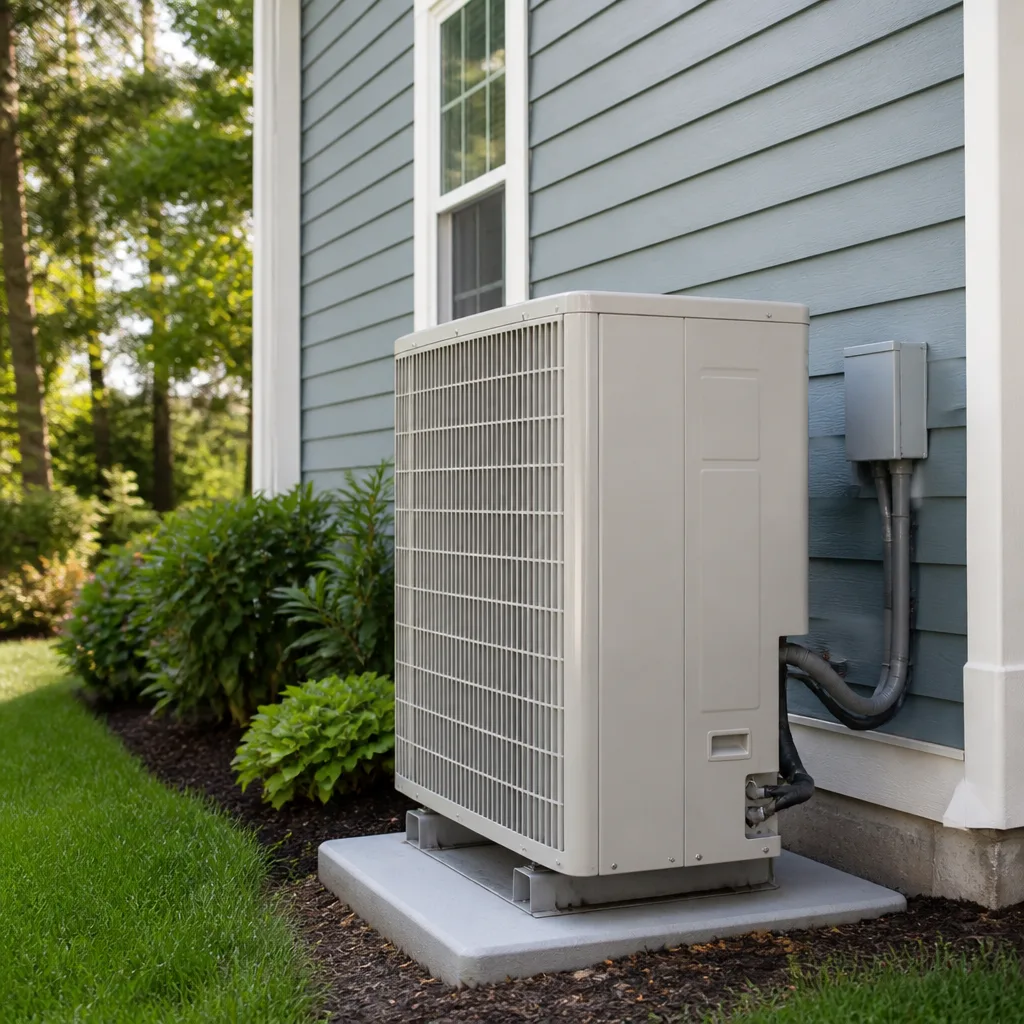 Heat pumps
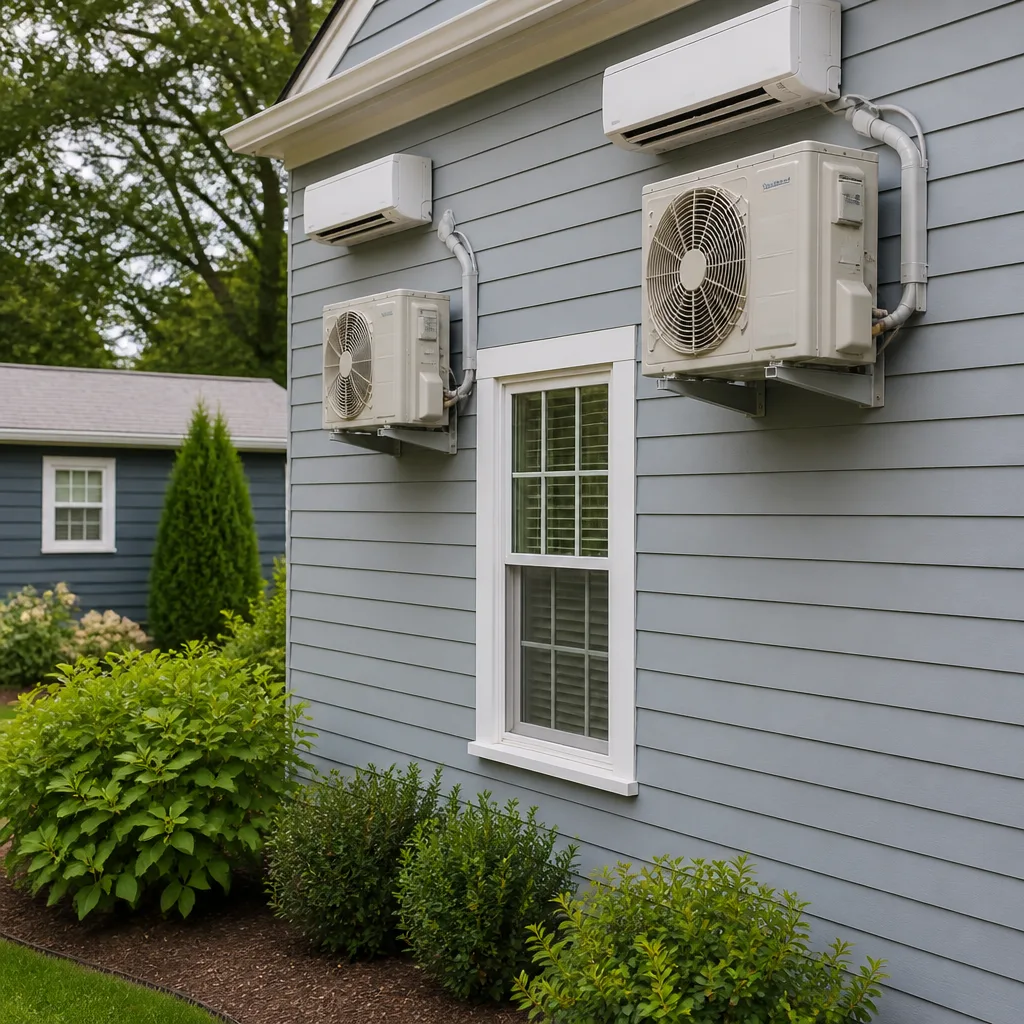 Ductless mini splits
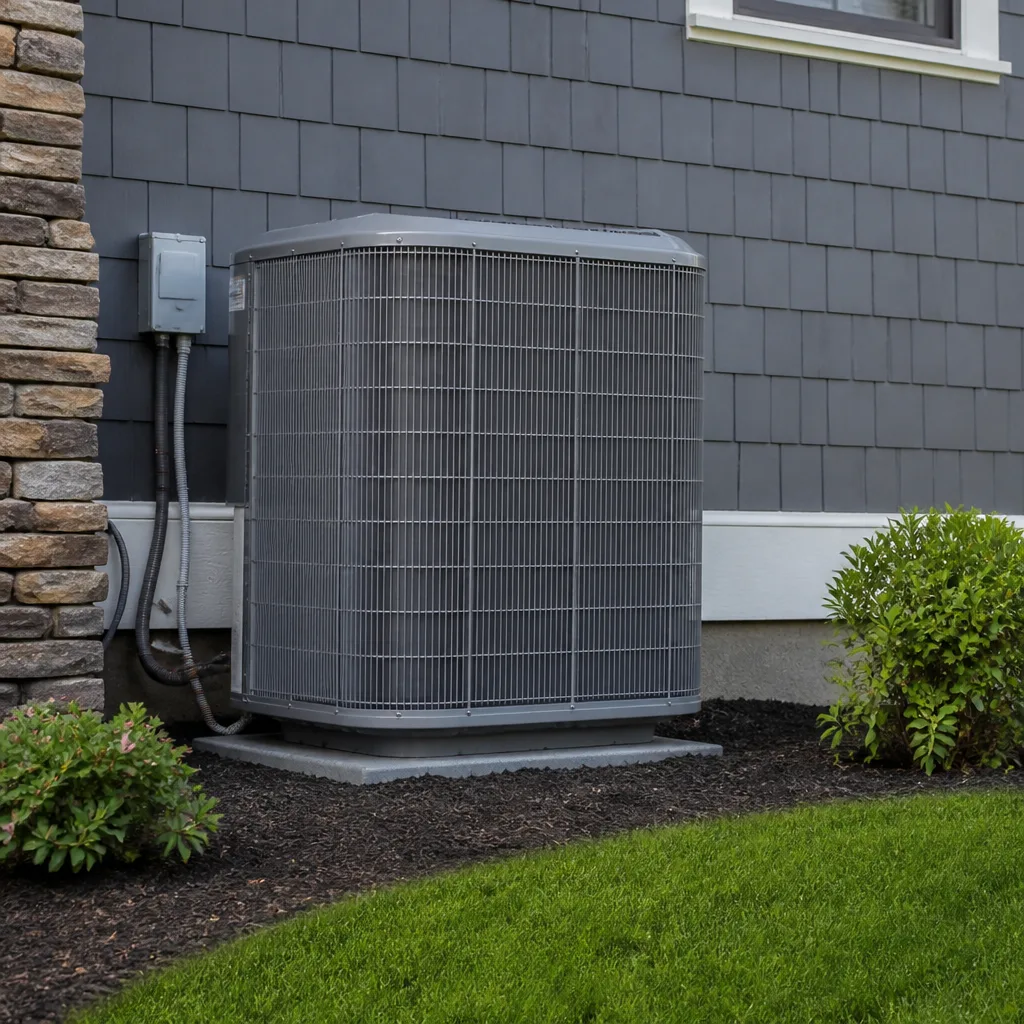 Carrier
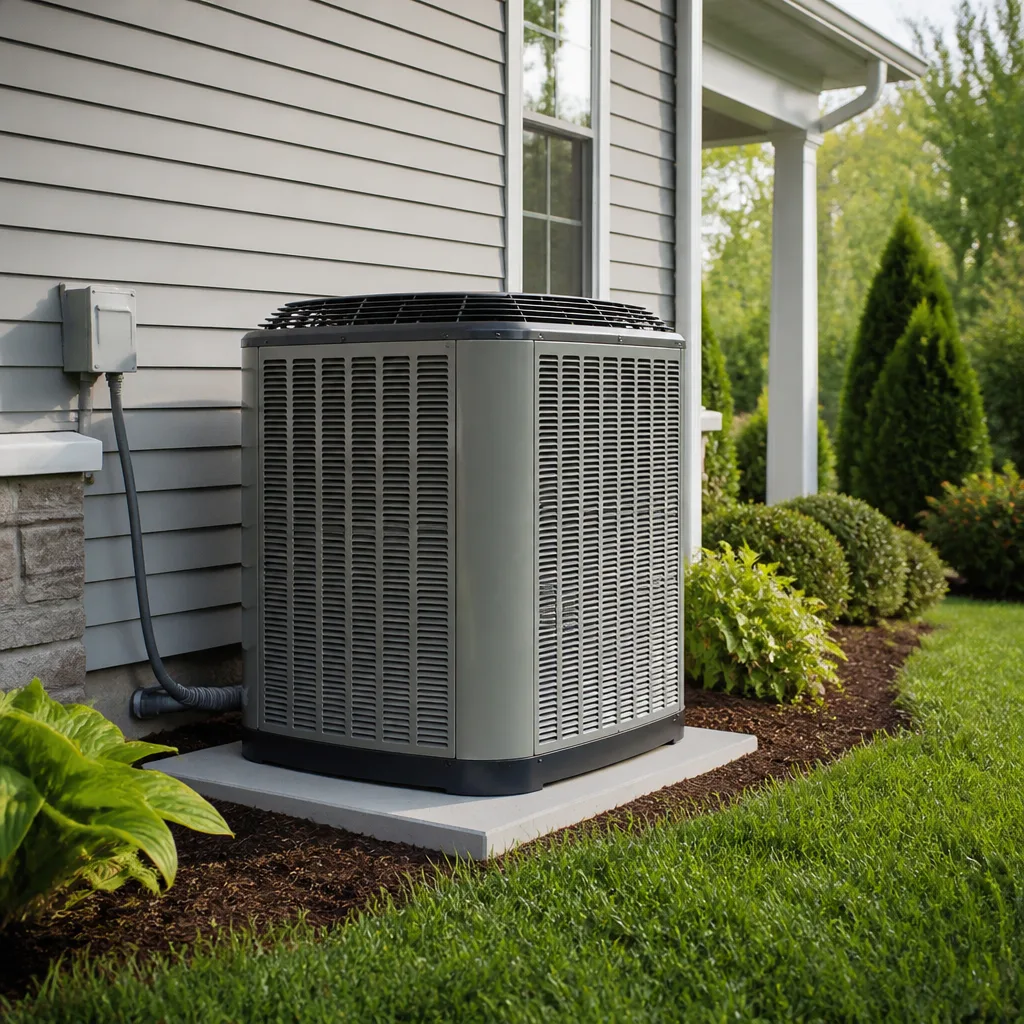 Trane
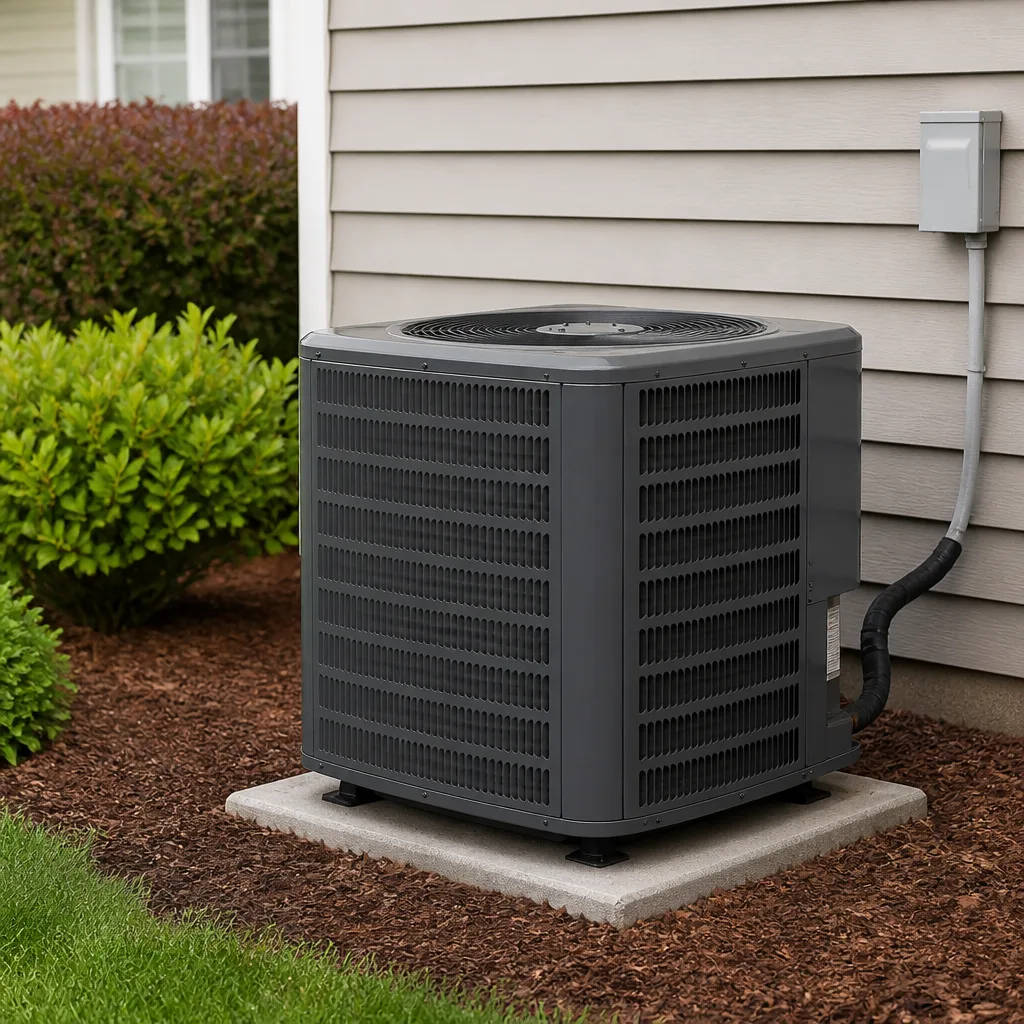 Goodman
Seasonal tune-up and full diagnostic on your Carrier, Trane, or Goodman system - readings shown to you before any repair is proposed
Diagnosis first, numbers second - you approve the repair price before a single part goes in.
Get your free estimateChoosing the Right HVAC Brand: A Buyer’s Guide for Summerlin
Most homeowners start brand shopping with a national ranking list and a promotional SEER number, and that’s exactly backward for a Summerlin home. A unit ranked at the top nationally for reliability can be the wrong choice here if the nearest authorized service center sits across the valley and a common part ships on a multi-day lead time. When your system fails during a 115°F afternoon in The Ridges, what matters is who can actually get the right part and put it in. This guide reorders the decision around what genuinely counts in this market: desert-climate reliability, parts availability, and how well local technicians know the brand. We’ll cover warranty terms homeowners usually miss, how to compare two quotes on different brands fairly, and the questions that separate a good deal from an expensive one.
Quick Answer
The best HVAC brand for a Summerlin home is the one with strong desert-climate reliability data, dense parts availability in the Las Vegas Valley, and a brand your local technician has worked on for years. National rankings and promotional SEER ratings matter far less, because they measure performance in controlled lab conditions, not in a Summerlin attic where a system runs hard from May through September. Choose for service reality first, and brand prestige last.
Styles & brands we work with
- AC installation
- Furnace & heating
- Heat pumps
- Ductless mini splits
- Carrier
- Trane
- Goodman
Table of Contents
- Why Desert-Climate Reliability Beats National Rankings
- Parts Availability in the Las Vegas Valley
- How to Read Desert-Climate Testing vs. Standard Certification
- The Compressor Warranty Terms That Actually Matter
- Why Technician Familiarity Is an Underrated Criterion
- Comparing Two Quotes on Different Brands
- Summerlin Climate Zones and What They Demand of a System
- Common Mistakes to Avoid
- When to Call a Professional
- Frequently Asked Questions
Why Desert-Climate Reliability Beats National Rankings
Air conditioning in Summerlin runs far more hours per year than it does in a mild four-season climate, and that difference reframes the entire brand decision. A system in Las Vegas Valley heat cycles on and off through months of extreme daytime temperatures, with long runtimes that stress compressors, capacitors, contactors, and fan motors in ways a lab test never captures. Brand rankings reward average performance across many climates. Your home isn’t average, and Summerlin isn’t a middle-of-the-road climate.
Here’s what high-runtime service means in practice:
- Compressors work harder. Extended runtimes mean more accumulated load on the heart of the system. Brands with proven durability in high-runtime environments earn their reputation here.
- Electrical components age faster. Capacitors and contactors are the parts most often replaced in the valley. Their quality and availability directly affect how quickly a failed system gets back online.
- Condensate management matters. In dry heat, your system produces substantial condensate, and a clogged drain line or a failed drain pan can cause real damage. Some brands design for more accessible drain service than others.
- Rooftop and garage placement stresses hardware. Many Summerlin homes put the condenser in direct sun or on a hot rooftop, and equipment rated for a high ambient temperature holds up better there.
When we advise homeowners in Summerlin, we steer the conversation toward systems proven under sustained runtime, not just the brand with the biggest national advertising budget. A unit that performs well in a milder climate and struggles in extreme heat is a liability here, regardless of its ranking. The right question isn’t “which brand won a national award,” it’s “which brand holds up when it’s asked to run all summer without a break.” That’s a desert question, and it deserves a desert answer.
This is also why we encourage a repair-first mindset before brand replacement. Many systems are years from needing replacement, and the actual failure is a specific component. If your existing equipment is repairable, our AC repair service aims to fix the real problem before you commit to a new unit. Brand selection gets a lot simpler once you know whether you’re buying at all.
Parts Availability in the Las Vegas Valley
Parts availability is the single most underrated factor in a brand decision, and it’s the reason a national brand can be the wrong pick for a Summerlin home. The question is not whether a part exists somewhere in the country. It’s whether a distributor in the Las Vegas Valley stocks it, or whether it ships on a lead time while temperatures climb. A five-day wait is manageable in a mild month. It’s a real hardship when it’s 115°F and your family is sleeping in the living room.
Brands with the deepest local parts density in this market are generally the ones most widely installed across the valley. Common failures, like a run capacitor or a contactor, tend to be stocked at local supply houses. Rarer failures, like a control board or a specific compressor, can require ordering regardless of brand. That’s normal. The difference is what’s sitting on a shelf nearby when the common stuff fails.
When you’re evaluating a brand, ask your contractor directly:
- Which local suppliers stock parts for this brand, and how far away are they?
- For the most common failure parts, are they available locally, or do they ship?
- How long does a typical repair on this brand take when a part is needed?
- Does the manufacturer have an authorized local service network, or would warranty work route elsewhere?
- Are there known supply bottlenecks for this specific model line?
We’ve worked on enough AC installation projects in Summerlin to know that the best brand on paper means little if a control board sits in a distribution center out of state. In our experience, homeowners who ask these questions before they buy end up with fewer surprises and faster repair days. A brand with solid local parts supply is a quieter, easier system to own over its full life. That’s worth more than a flashy efficiency claim.
How to Read Desert-Climate Testing vs. Standard Certification
Standard certification data and desert-climate performance data are not the same thing, and not every brand publishes both. Standard certification tells you a unit hits its rated efficiency under controlled conditions. Desert-climate testing tells you how a system behaves under the extreme ambient temperatures and sustained runtimes your Summerlin home will actually experience. Those are different questions with different answers.
Here’s how to read the two without getting lost:
- Standard efficiency ratings are a baseline, not a promise. A high SEER or SEER2 number is measured in a test environment. It tells you the unit’s efficiency under those specific conditions, not how it will perform in a Summerlin attic in August.
- Look for high-ambient performance data. Some manufacturers publish performance at higher outdoor temperatures, which is far more relevant to a desert market. Ask your contractor whether that data exists for the model you’re considering.
- Check whether the unit is rated for high-temperature operation. Equipment intended for extreme heat is built to different tolerances than equipment intended for mild climates. That difference shows up in the compressor and electrical components.
- Compare like-for-like. A brochure number from one brand and a different ratings sheet from another aren’t apples to apples. Ask for the same type of data for both quotes.
Not all brands publish the same depth of desert testing, and that asymmetry is worth noticing. A brand that publishes high-ambient data is giving you information to judge its equipment fairly. A brand that only publishes standard ratings is asking you to trust the marketing. In Summerlin, where sustained heat is the daily reality, we lean toward brands with the fuller data picture and toward equipment tested under conditions closer to what your home will demand.
This is where brands like Daikin and American Standard tend to earn attention in our conversations with homeowners. Not because of a slogan, but because their published performance information under high-ambient conditions gives us real material to work with when matching equipment to a Summerlin home. Ask your contractor to walk you through the data for any brand you’re considering rather than relying on the promotional rating alone.
The Compressor Warranty Terms That Actually Matter
Most homeowners read the warranty headline and move on, but it’s the fine print that decides what you actually get when something fails. A “limited warranty” on a compressor sounds like protection. In practice, that word “limited” excludes a great deal, and high-runtime desert environments tend to surface the exclusions that matter. Understanding the terms before you sign up for a brand is the difference between real coverage and a brochure promise.
Here’s what to read carefully:
- Parts versus labor. Many warranties cover the compressor part but not the labor to remove and replace it. Labor is often the larger of the two numbers, so a “parts only” warranty can still leave you with a real bill.
- Registration requirements. Many manufacturers require the unit to be registered within a set window to activate the full warranty term. Missing that window can reduce coverage, sometimes significantly, so complete registration promptly after installation.
- Maintenance requirements. Some warranties require documented annual maintenance as a condition of coverage. Skipping tune-ups can, in some cases, void a claim, which is a key reason we treat maintenance as protection rather than an optional add-on.
- Exclusions for environmental conditions. Read for any language about extreme operating conditions, improper installation, or non-authorized service. A system installed or serviced improperly can void coverage regardless of brand.
- Length and structure of coverage. Compressor coverage often runs longer than the general parts warranty, but it’s usually tied to registration and maintenance conditions. Understand what starts when and what can lapse.
In Summerlin, where the compressor does the heaviest work in the system, this is not a footnote. It’s the whole point. Ask your contractor to explain exactly what the compressor warranty covers, what voids it, and what steps you must take to keep it active. A brand with clearer, more generous terms and fewer hidden conditions is easier to own over the long haul.
Why Technician Familiarity Is an Underrated Criterion
Technician familiarity with a brand is one of the most underrated factors in the decision, and it’s the one homeowners almost never ask about. A technician who has serviced a brand for years recognizes failure patterns, knows the common weak points, and can diagnose faster because they’ve seen the same fault before. That familiarity translates directly into a smoother repair, fewer wrong-part trips, and a more confident conversation about what your system actually needs.
Brands that are common in the local market get faster, more confident service, and that’s a circular advantage. More units installed means more technicians trained on them, which means more local knowledge, which means better service. Our technicians are trained across nine major brands, including Carrier, Trane, Lennox, Goodman, Rheem, York, Daikin, Bryant, and American Standard, and our technicians have up to 12 years of experience. When a brand is well represented in the valley, that experience has real depth behind it.
Here’s the practical difference between a common and a rare brand in the Summerlin market:
- Diagnosis speed. Familiar brands get diagnosed faster because the technician has seen the fault pattern before.
- Parts fluency. Technicians who see a brand often know which parts fail and which suppliers stock them.
- Repair confidence. A brand that shows up regularly in the field is one every technician in the area knows how to work on.
- Continuity of care. Choosing a brand your local contractor already knows well makes it easy to keep one company for the full life of the system.
This is why we’re a focused AC specialist and not a general home-services contractor. Our technicians stay on cooling equipment, so their knowledge of any given brand deepens rather than spreading thin across unrelated trades. Our technicians are not paid on what they sell, so a brand recommendation reflects your system and your budget, not a manufacturer incentive. That’s the kind of familiarity you want making decisions about your Summerlin home.
Comparing Two Quotes on Different Brands
Two quotes on two different brands are not directly comparable, and treating them as if they are is a quiet way to overpay. Purchase price tells you almost nothing about what a system will cost you over its life. The right comparison uses total cost of ownership, which folds in reliability, parts availability, service familiarity, and warranty strength, not just the number at the bottom of the invoice.
Use this framework to compare two competing quotes fairly:
- Match the load calculation. An oversized system shortens runtimes and dehumidifies poorly, while an undersized one can’t keep up in Summerlin heat. Both quotes should be sized to the same calculation for your home, not to a rule of thumb.
- Normalize the efficiency claim. Compare ratings on the same basis and ask whether either brand publishes high-ambient performance data. Standard ratings alone don’t tell you how the unit behaves in a desert attic.
- Weigh compressor warranty terms. Compare what each warranty actually covers, what voids it, and what registration or maintenance it requires. A longer term with stricter conditions can be weaker than a shorter one with fewer strings.
- Assess parts availability. Ask which brand has deeper local parts stocking for the common failures. A brand that’s easy to buy locally is easier to repair when it breaks.
- Confirm technician familiarity. Ask whether the installer works on both brands regularly. A brand the contractor knows well gets served better over its life.
- Project the ownership picture. Think about repair wait times, parts lead times, and service access in high season, and factor in the value of a brand that’s straightforward to own.
A single low purchase price from a brand with thin local service and a restrictive warranty is not the cheaper option over ten years. Frame the comparison around full-life cost, and the right choice usually becomes clear. This is exactly the conversation we have before any installation, and the written fixed price we provide reflects the equipment sized, specified, and scheduled for your home. Our roles run to repair, installation, and maintenance; we don’t steer you toward extras you don’t need.
Summerlin Climate Zones and What They Demand of a System
Summerlin isn’t one climate uniform, and the differences across the community affect what your system faces. Homes across AC Repair Summerlin and its surrounding neighborhoods vary in elevation, sun exposure, and construction, and those variables change how hard your air conditioning has to work. Getting specific about your home is part of choosing the right brand.
Here’s how different parts of Summerlin differ in system demand:
- Aspen and higher elevations. Slightly cooler than the valley floor, but still demanding sustained runtime through summer, with some homes seeing significant afternoon sun exposure.
- The Ridges and west-side foothills. Open terrain and sun exposure push ambient temperatures higher around the equipment, which makes high-ambient performance data more important.
- Sun City Summerlin and established neighborhoods. Older homes often have ductwork and equipment from an earlier era, so matching a new brand to the existing system matters as much as the brand name.
- Tightly built newer construction. Well-sealed homes need proper sizing and controlled airflow, which puts a premium on an accurate load calculation rather than a brand label.
A brand that performs well for a Red Rock-adjacent rooftop exposure isn’t necessarily the same choice for a shaded patio-wrapped home. The neighborhood details, the age of the ductwork, and the sun profile of your lot all factor in. When we evaluate a Summerlin home, we start with the house, then match the equipment to it. Brand matters, but the right brand for your specific home is the one that fits these conditions, not a national ranking applied uniformly.
Common Mistakes to Avoid
- Choosing on national ranking alone. A ranking averaged across many climates tells you nothing about how a brand behaves under Summerlin’s sustained heat. Ignore how the unit will actually run here and you can pay for prestige that never arrives.
- Buying on the promotional efficiency number. A headline SEER figure is measured under controlled conditions. Treat it as a baseline and look for high-ambient performance data, which is far more relevant to a desert home.
- Ignoring parts availability. A brand with no local parts stocking can turn a same-day repair into a week-long wait. Ask which suppliers carry the brand before you commit, especially in high season.
- Skipping the warranty fine print. Register the unit promptly after installation and understand exactly what the compressor warranty covers, what voids it, and what maintenance it requires. Missing these conditions can quietly reduce your protection.
- Not asking about local technician familiarity. A brand that very few technicians work on routinely is harder to diagnose and service. A common brand in the valley gets faster, more confident service.
- Comparing purchase price only. Two quotes on different brands need to be measured on full-life cost, including warranty strength and service access. The lowest invoice can be the most expensive system over its life.
- Assuming every contractor services every brand. A general home-services contractor may not work on the brand you’ve chosen. Confirming brand coverage before you buy avoids a dead end later.
See the difference
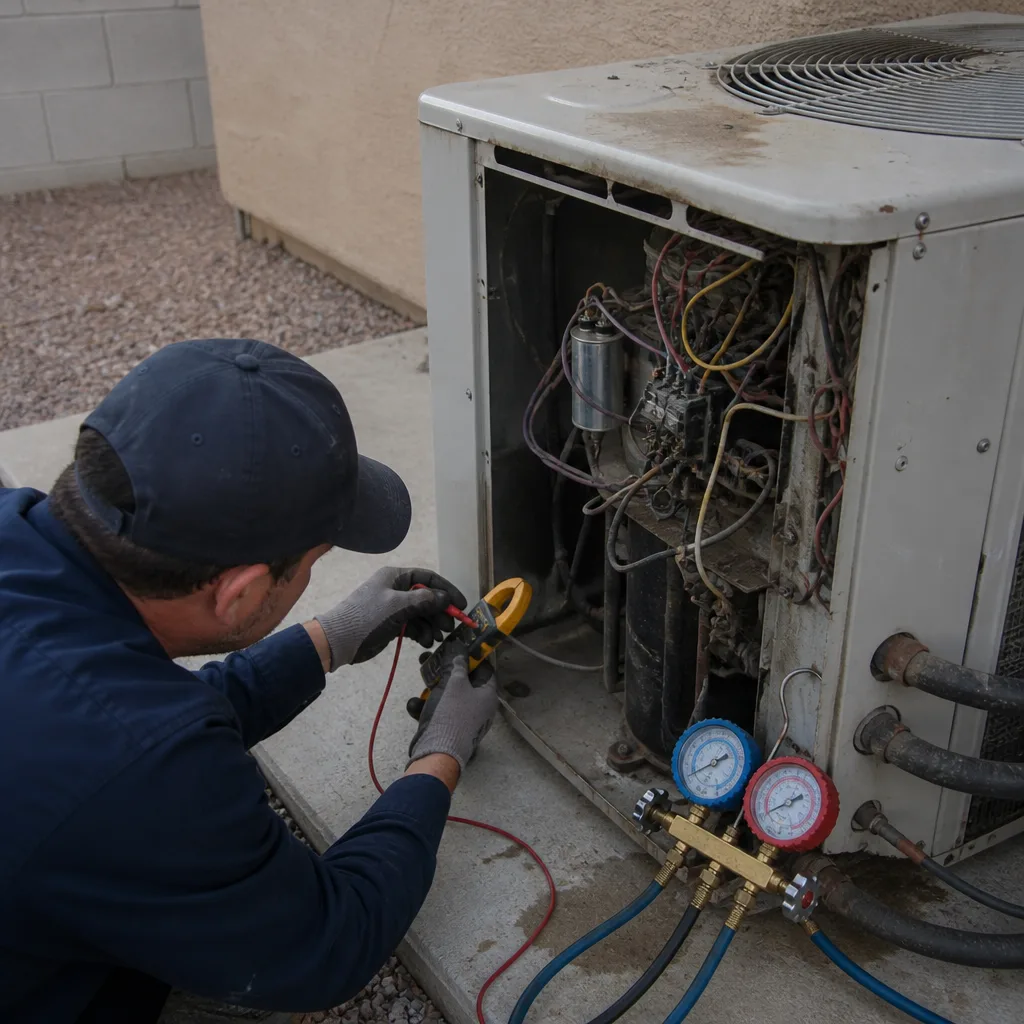 Before
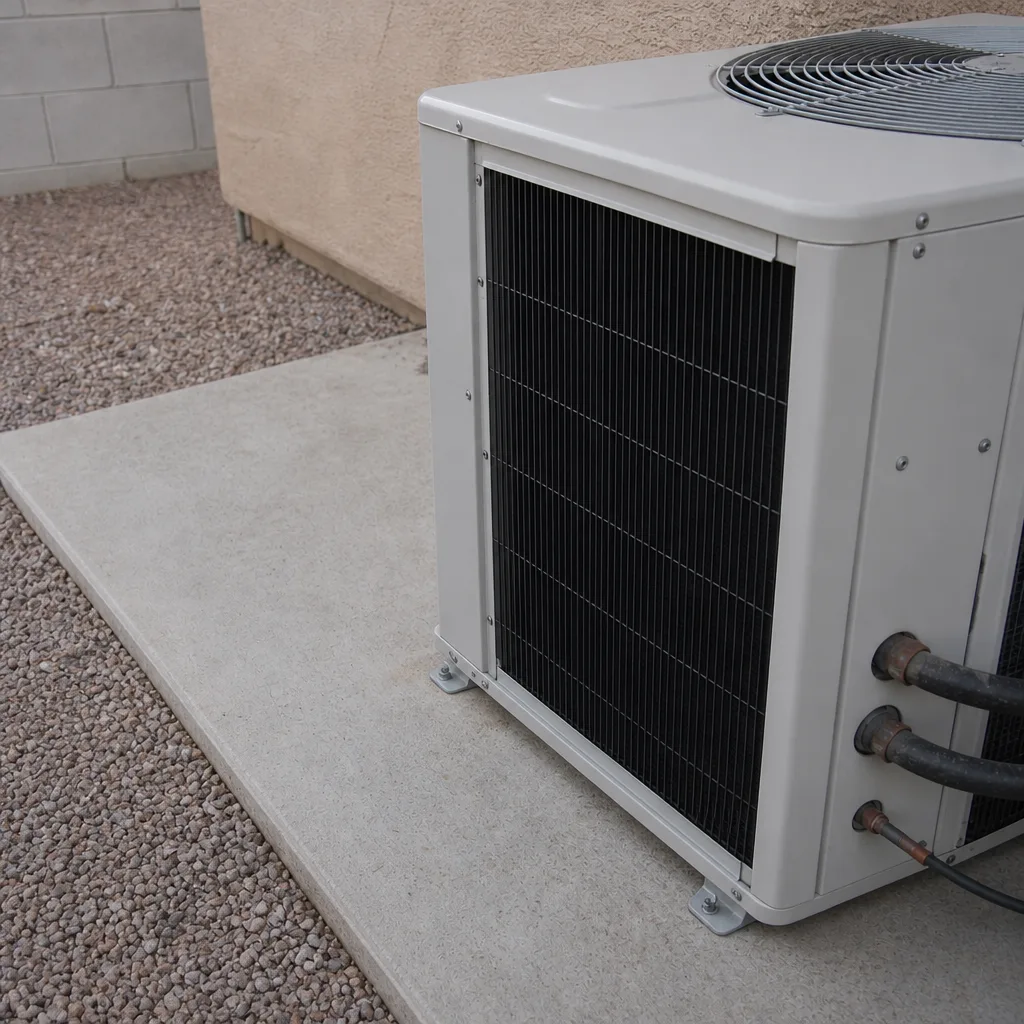 After
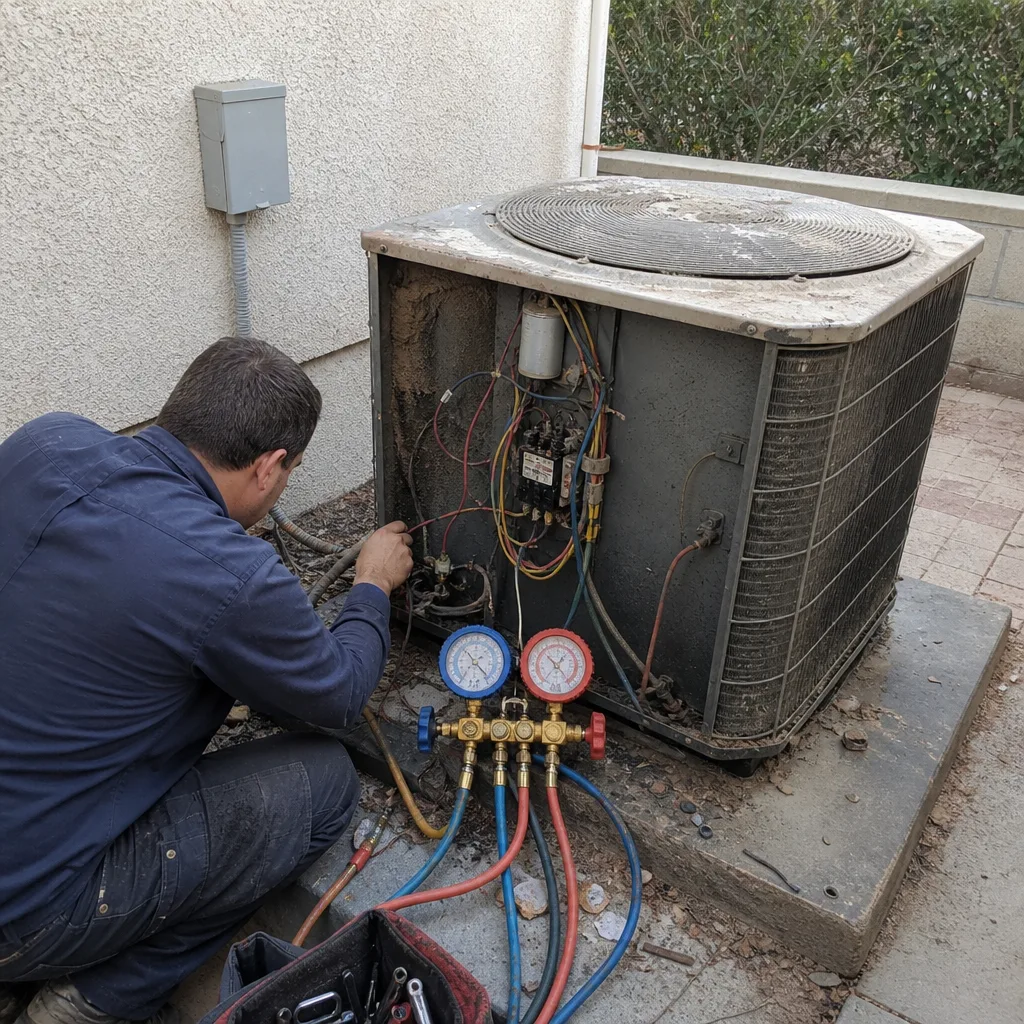 Before
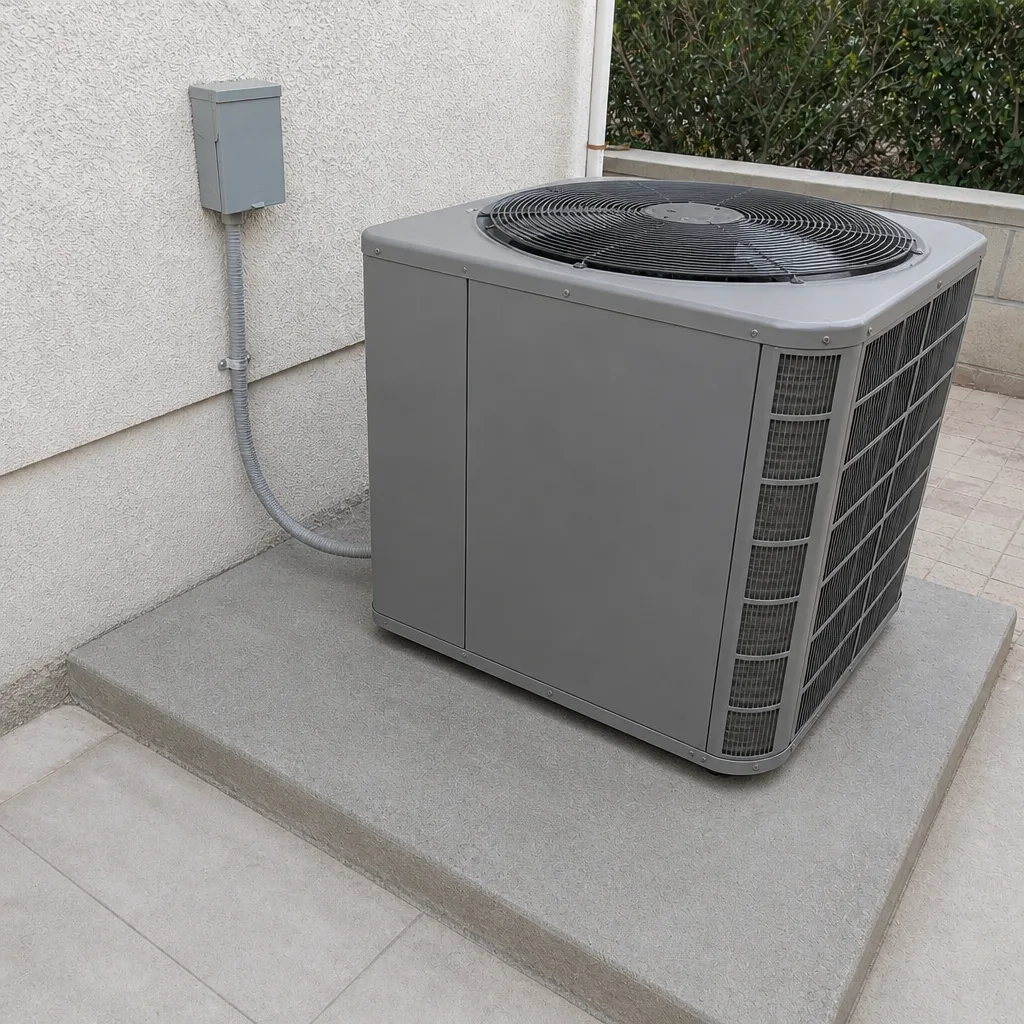 After
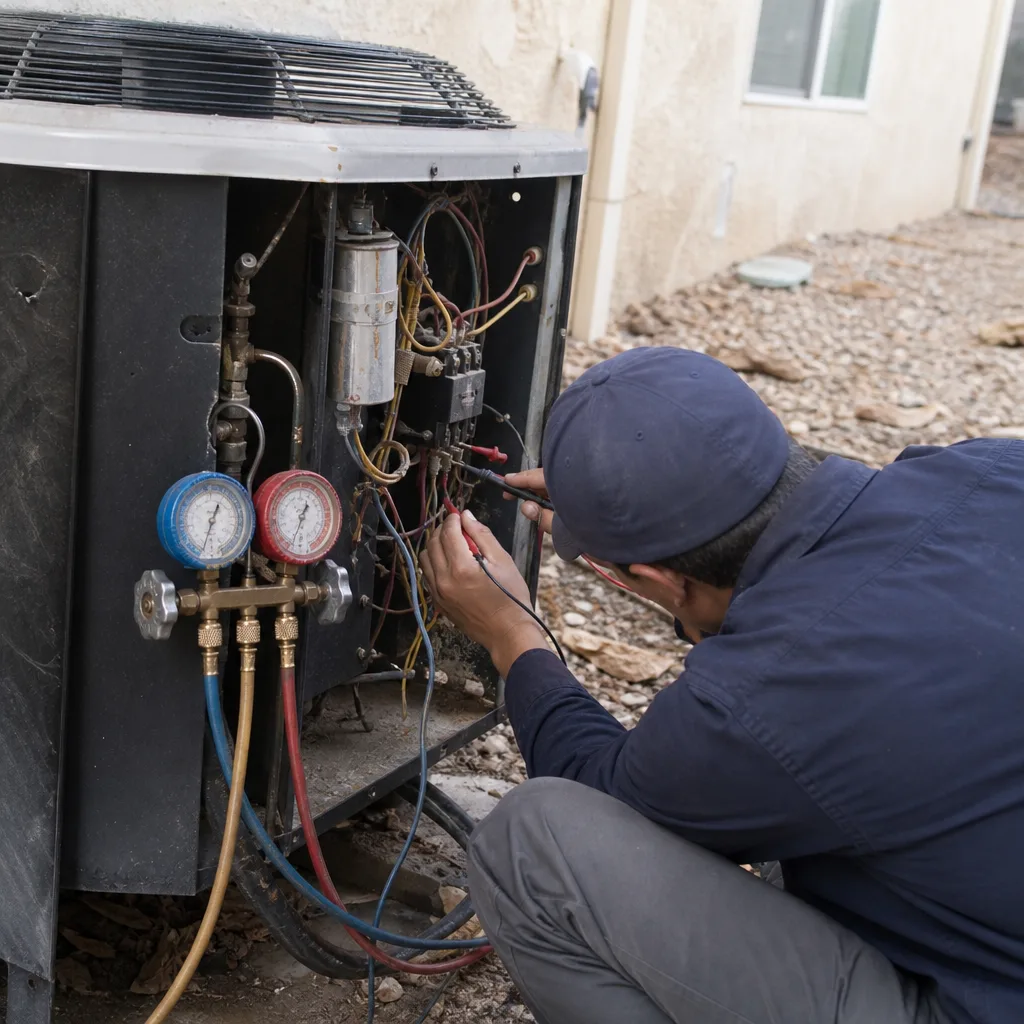 Before
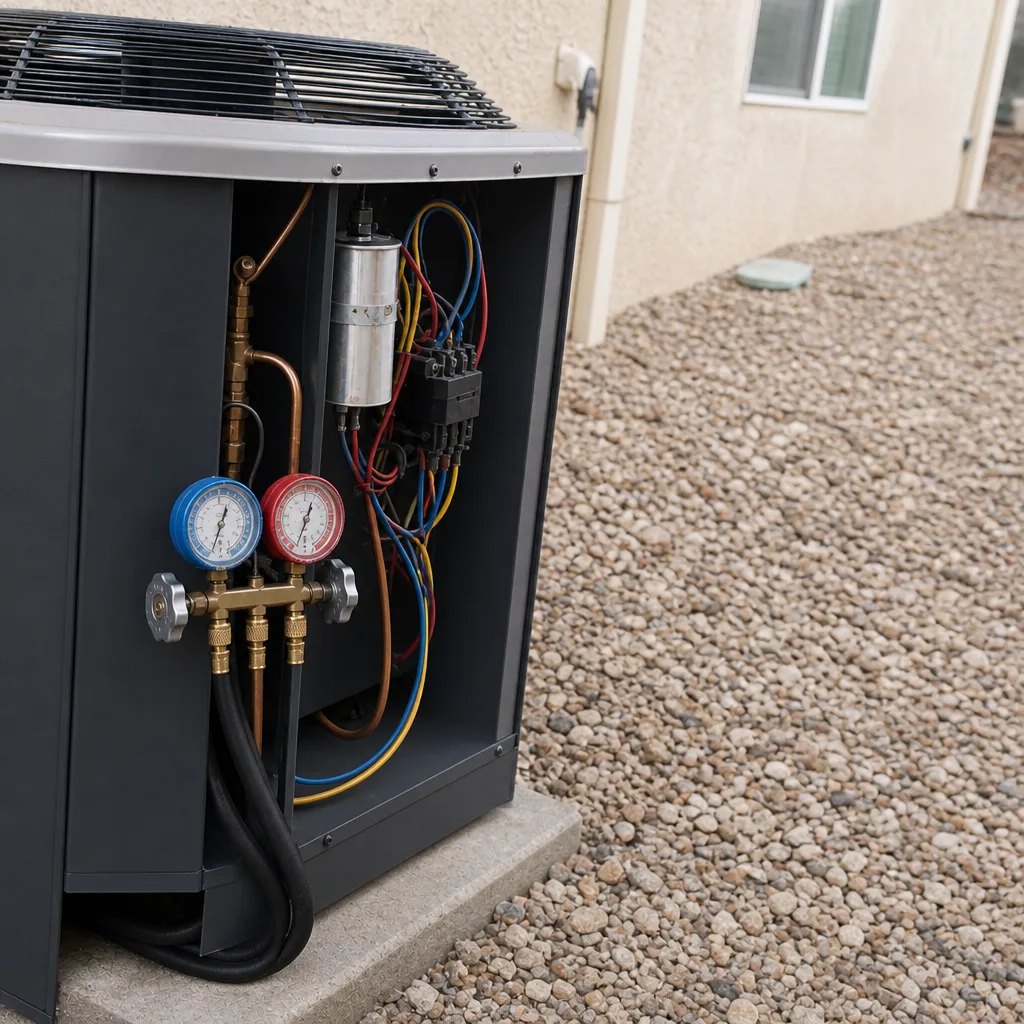 After
When to Call a Professional
You should call a professional when your system can’t keep up with the heat, when it’s short-cycling or running without cooling, when you hear unusual noises or see ice on the lines, or when your energy use climbs without a clear reason. Any of these point to a fault that a trained specialist can diagnose. It also makes sense to call before you commit to a brand choice, so the decision is grounded in your actual equipment and home. We answer 24/7. Fast dispatch from 7am to 7pm, Sunday through Friday. AC Repair Summerlin offers free estimates in Summerlin, so call (833) 317-1621 for honest, brand-neutral guidance before you buy. Our technicians are not paid on what they sell, and the written estimate sets the final price per job.
Frequently Asked Questions
There’s no single best brand for Summerlin, because the right choice depends on desert-climate reliability, local parts availability, and technician familiarity with that brand. A brand that’s well supported in the Las Vegas Valley with strong high-ambient performance data is a better fit than a national ranking alone. Call (833) 317-1621 for a free, brand-neutral estimate.
Installation quality matters enormously, but the brand still shapes parts availability, warranty terms, and how quickly a technician can diagnose and repair a fault. Brand and installation work together. A well-installed system from a brand with deep local service is easier to own long term.
We service nine of the industry’s dominant brands: Carrier, Trane, Lennox, Goodman, Rheem, York, Daikin, Bryant, and American Standard, so you won’t hit a “we don’t work on that brand” dead end. Brand coverage is one of the first things to confirm before you buy. Call (833) 317-1621 to check your model.
Parts availability determines repair wait times when your system fails in high heat, and Summerlin’s sustained summer temperatures make a five-day wait genuinely hard. A brand with deeper local parts stocking for common failures gets repaired faster. Ask your contractor about local stock before committing.
Compare on total cost of ownership, not purchase price: match the load calculation, normalize efficiency ratings, weigh compressor warranty terms, check local parts availability, and confirm technician familiarity with each brand. A lower invoice from a brand that’s hard to service can cost more over ten years. Call (833) 317-1621 for a free estimate on either option.
Yes. We evaluate your home’s specific conditions and give you a written fixed price for equipment sized and specified to your needs, and we don’t steer you toward a brand for our own margin. You’ll get a set install date and clear warranty information. Call (833) 317-1621 for a free estimate.
The Bottom Line
Brand selection for a Summerlin home comes down to three things in order: desert-climate reliability, local parts availability, and technician familiarity. National rankings and promotional SEER numbers are a starting point, not the answer, because they measure performance in lab conditions rather than in a Summerlin attic during a long hot summer. Read the compressor warranty fine print, register your unit promptly, and compare two quotes on full-life cost rather than purchase price. Choose a brand that’s well supported in the Las Vegas Valley, and you’ll own a system that’s easier to service, easier to repair, and easier to live with for years. We’re here to help you make that decision with clear, brand-neutral guidance.
Ready to choose with confidence? Call AC Repair Summerlin at (833) 317-1621 for a free estimate. We answer 24/7. Fast dispatch from 7am to 7pm, Sunday through Friday. Our technicians are trained across nine major brands and are not paid on what they sell, so the recommendation reflects your home, not a manufacturer incentive.
Written by the team at AC Repair Summerlin.